
Reviewed · REINDEER EXPERIENCES
True Locals of the Arctic: Reindeer Sledding at Camp Tamok
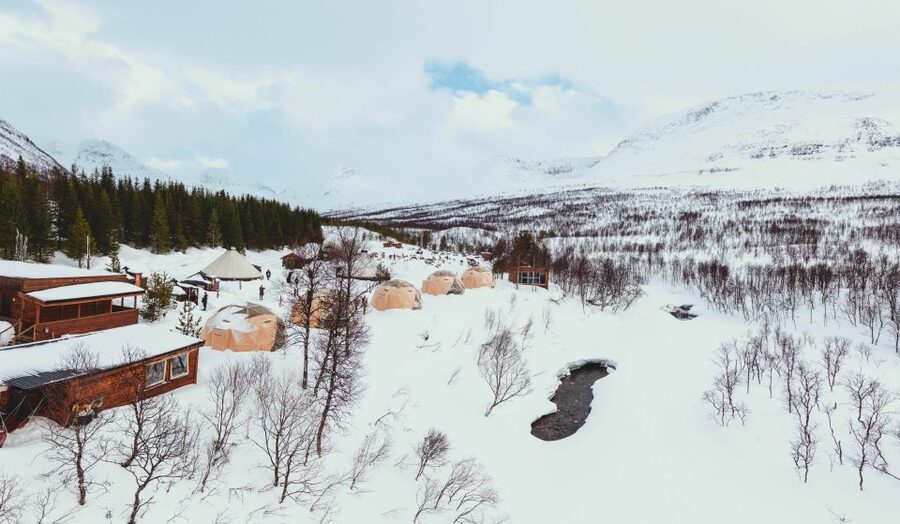
The star of this day is not speed. It is the quiet, gentle pace of a reindeer sled moving through snowy Tamokdalen, followed by time with the herd and a Sámi family in a fire-heated lavvu. I like the close contact with the reindeer and the way the visit connects sledding with Sámi traditions rather than treating the animals as a quick photo stop.
I also like the warm clothing and hot meal, both of which matter in Arctic winter. Guides including Andrea, Raul, Catrina, and Caroline have made the cultural side personal and easy to follow. The main drawback is the meeting point, which can be hard to find inside or below Tromsø Havn Prostneset, and the bus ride takes three hours of the seven-hour day.
Key points to know before booking
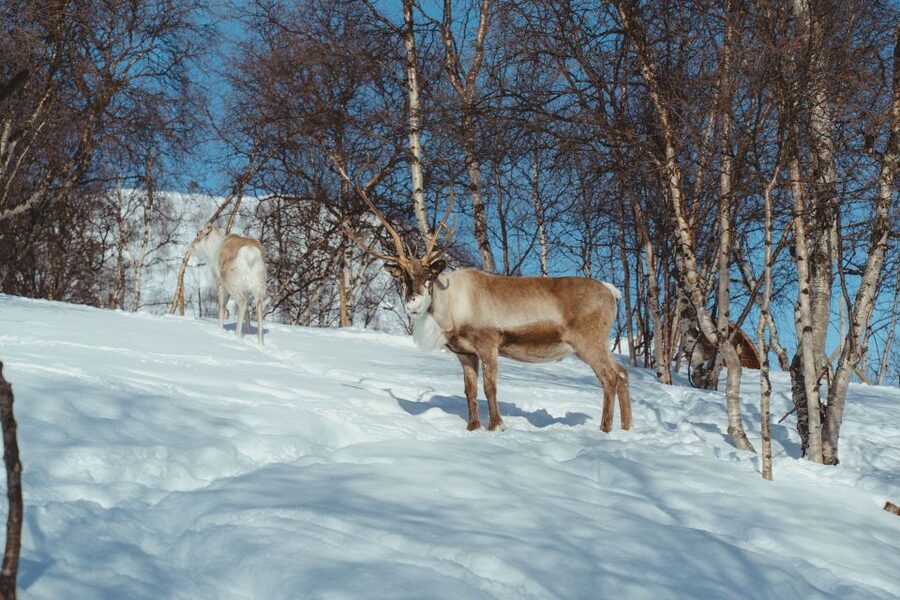
- A slow, gentle sled ride: The reindeer move at an easy pace, making this suitable for many families and older visitors, but not for anyone seeking a fast thrill.
- Only five or six reindeer are kept at camp: This makes the visit small in feel, though it is not a large herd encounter.
- Sámi culture is central: You hear about seasonal movement, traditions, and life with reindeer, then help feed the animals.
- Warm gear is supplied: Thermal suits, boots, mittens, and hats are included, a major help in temperatures that can fall well below freezing.
- The lavvu meal is part of the appeal: Warm stew, bread, drinks, and a roaring fire give you time to thaw and talk.
- Allow extra time at Prostneset: The meeting point is in the bus station area beneath the main building, not necessarily at a Norwegian Travel office.
A reindeer day with more culture than speed
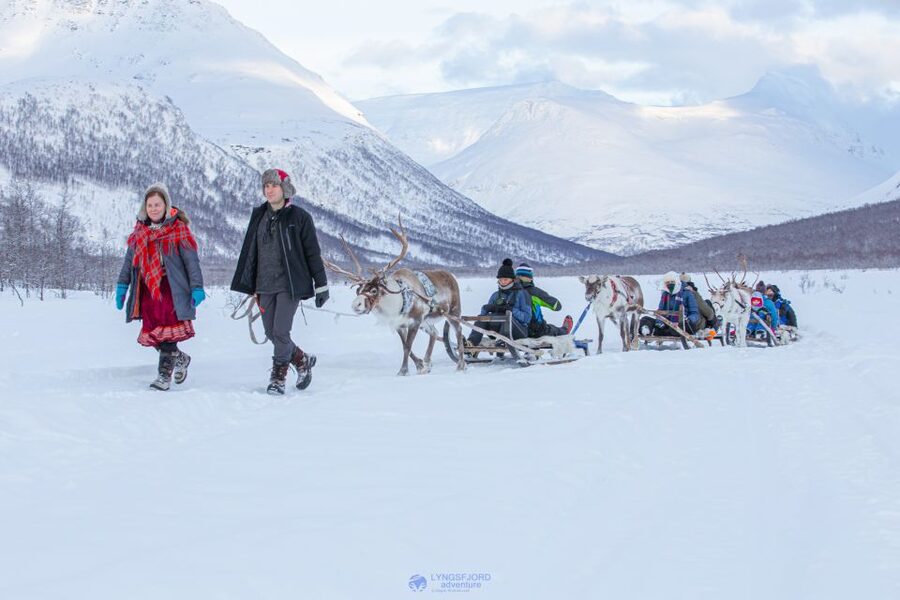
Camp Tamok offers a different kind of Arctic sled ride. You do not race across the snow or spend hours behind a large team of animals. The ride is short and calm, with the reindeer setting the pace. That is important to understand before you book.
I think the best reason to choose this outing is the chance to connect the sled ride with Sámi culture and everyday reindeer life. You hear stories, ask questions, feed the animals, and spend time in a traditional lavvu. The reindeer are not simply scenery for a quick circuit.
The camp keeps about five or six reindeer. That is a modest number, but it can make the meeting feel personal. You have time to watch the animals at close range and learn how reindeer fit into Sámi traditions and seasonal movement.
The day is led in English. Guides such as Catrina and Caroline have explained Sámi traditions and reindeer life in detail, while Andrea and Raul have been praised for their friendly, helpful approach. The precise guide team can vary, but the format remains the same: a practical introduction, a sled ride, feeding, stories, and food by the fire.
More Reindeer Experiences in Tromsø:
- Tromsø: Reindeer Sledding & Feeding with a Sami Guide
★ 4.8 · 6,417 reviews - Tromsø: Reindeer Camp and Sami Cultural Tour with Lunch
★ 4.7 · 3,326 reviews - Tromsø: Reindeer Sled, Dinner, and Chance of Northern Lights
★ 4.6 · 2,651 reviews
The 90-minute road from Tromsø to Tamokdalen
You meet at Samuel Arnesens gate 5, inside the main entrance hall of Tromsø Havn Prostneset. In practice, you need to look for the bus station area beneath the main building. Several people have found this less clear than expected, so I would arrive early and ask staff if you are unsure.
The bus ride to Camp Tamok takes about 90 minutes. This is not wasted time. The route carries you away from Tromsø and into the remote Tamokdalen area, with snowy mountain views along the way. You get a useful sense of the distance and isolation before reaching the camp.
The transport also makes the day simple. You do not need to rent a car, find a winter road, or worry about driving in snow and darkness. The tradeoff is time: three of the seven hours are spent on the road, one and a half hours each way.
Use the toilet before putting on all your winter layers. That sounds obvious, but a full thermal suit, boots, mittens, and hat make small practical tasks less convenient. Also keep track of your belongings during the return journey. The bus going back can be a different vehicle, so do not leave anything behind.
Getting dressed for Arctic cold
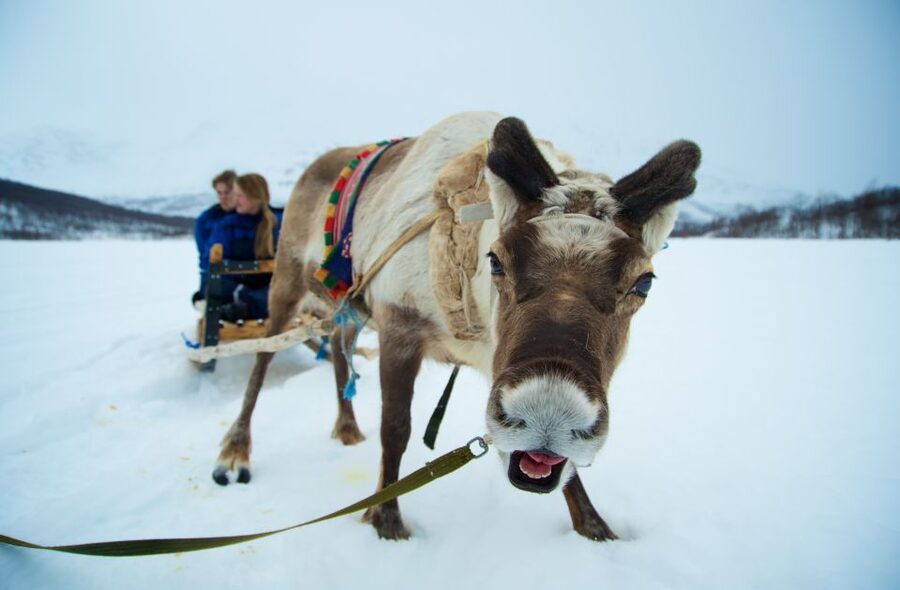
On arrival, you receive a thermal suit, winter boots, mittens, and a hat. This equipment is included in the price and can make a large difference. One visit took place in temperatures of about minus 13 degrees Celsius before wind chill, and the supplied clothing was described as essential.
You should still bring weather-appropriate clothing and thermal layers. A scarf is also listed as something to bring. The supplied outfit is protection, not a substitute for sensible base layers.
The clothing can feel bulky. It may also make your group harder to recognize at first, since everyone is dressed in similar gear. Take note of your companions before heading out, and remember where you placed your personal items.
The cold is part of the setting, but it can also limit your enjoyment if you arrive underdressed. The day includes outdoor time, standing near the reindeer, sledding, and moving between camp areas. Warm socks and good layers are worth more than stylish clothes here.
Meeting the reindeer herd
The reindeer are kept some distance from the camp’s dog yard, so you take a short minibus transfer to reach them. This adds another small stage to the day, but it also shows that the herd is part of a working camp rather than a display placed right beside the arrival area.
The animal encounter includes a short sled ride and feeding time. You get close to the reindeer, learn about them, and take part in a simple care routine. Feeding is a useful addition because it gives you something active to do after the ride.
The sled itself moves slowly. One hour on a reindeer sled covers less ground than many people expect because the animals travel at a gentle pace. I see this as a strength if you want a quiet family activity or an easy outing for older relatives. It is less suitable if you want speed, sharp turns, or an adrenaline rush.
The pace also leaves room to look around. Snow-covered mountains, silence, and the steady movement of the animals are the point. A mid-ride stop may give you time to play in the snow and enjoy the setting without being hurried.
Children under four cannot join. The activity is not suitable for wheelchair users, and the slow sled ride should not be confused with a fully accessible outdoor program. For everyone else, the ride is presented as gentle, with the reindeer doing the work while you sit and take in the surroundings.
A few more Tromsø days to weigh up
- Tromsø: Whale Watching Tour by Hybrid-Electric Boat
★ 4.5 · 4,217 reviews - From Tromsø: Aurora Borealis Tour
★ 4.8 · 4,206 reviews - Tromsø’s Top-Rated Fjord & Fishing Cruise – All-Inclusive
★ 4.7 · 4,017 reviews - Tromsø: Fjords and Sommarøy Islands Tour with Salmon Picnic
★ 4.7 · 3,922 reviews
Learning about Sámi life from people connected to it
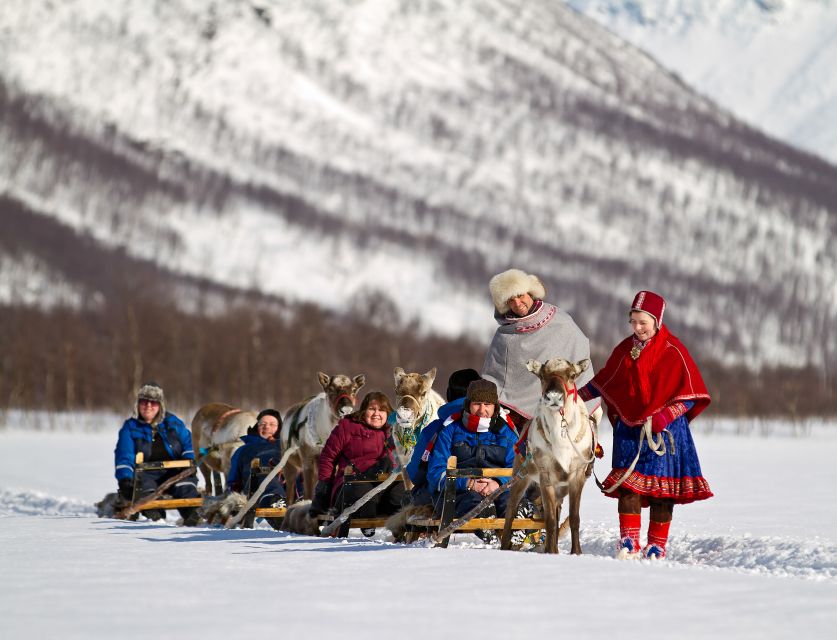
The cultural conversation is the part that gives the day its meaning. You learn about Sámi traditions, the relationship between people and reindeer, and the way some families move with the herd through the year.
A particularly useful detail is the explanation of seasonal migration. Reindeer husbandry is not just a winter tourist activity. It connects to work, family, land, and long-established ways of life. The guides’ personal stories and question-and-answer time help turn broad facts into something easier to understand.
The tone is informal rather than classroom-like. You can ask questions, listen to family stories, and connect what you hear with the animals standing nearby. A young guide has also led question sessions, giving the visit a direct and personal feel.
You should still keep your expectations realistic. This is a short cultural visit, not a full study of Sámi society. The activity offers an introduction through one camp and the people who work there. That makes it approachable, but it also means you are seeing one part of a much larger culture.
A lavvu, hot stew, and time by the fire
After the reindeer activity, you return to Camp Tamok and enter a lavvu, an indigenous Sámi tent. A fire burns in the center, and the meal gives you a welcome chance to warm up.
The food is a hot stew with drinks, along with bread and warm beverages such as black currant juice. The meal is simple, practical camp food, but that is exactly what fits the day. After standing outside in Arctic cold, a hot bowl of stew feels like more than a snack.
This is also when the pace changes. The sled ride and animal feeding are active parts of the visit. Inside the lavvu, you sit, eat, talk with the guides, and exchange stories with the rest of the group. The fire-heated setting adds atmosphere without needing a long performance or formal show.
The meal is included, so you do not need to budget for lunch at the camp. Drinks are included as well. If you have a specific dietary need, the information provided does not explain available alternatives, so ask the operator before booking rather than assuming.
One warning is worth noting. A small birchwood cup was bought separately by one visitor and ended up costing far more than expected because of a currency-conversion mistake. Treat optional purchases carefully, check the price in the correct currency, and do not assume souvenirs are covered by the tour fee.
What seven hours and $303 buy you
At $303 per person, this is not a cheap half-day outing. The price includes round-trip bus transport from Tromsø, an English-speaking guide, the reindeer sled ride, feeding, Sámi culture activities, winter clothing, boots, mittens, a hat, a hot meal, and drinks.
The value depends on how you use the day. If you only want a quick sled ride, the cost may feel high because the ride itself is short and slow. You are paying for the full package: remote transport, cold-weather equipment, a cultural visit, animal time, food, and the work of hosting you in a wilderness camp.
I think the price makes more sense for visitors who would otherwise need to arrange transport and rent Arctic clothing separately. The thermal suit and boots are especially useful if you are not equipped for severe winter weather. The meal and indoor fire time also prevent the day from becoming six or seven hours of standing outside.
The experience is strongest for people who value quiet contact and cultural context over speed. Families, couples, first-time Arctic visitors, and people who want a guided outing from Tromsø should find the format appealing. It is less convincing for anyone focused on maximum sledding time or a large-scale animal encounter.
The practical details that can make or break the day
The meeting point deserves special attention. Go to the main entrance hall at Tromsø Havn Prostneset, then look for the bus station area underneath the building. Do not assume the correct place is the Norwegian Travel office. Give yourself enough time to find the departure point without rushing.
The full day lasts seven hours. The outbound and return coach rides each take about 90 minutes, while roughly four hours are allocated to Camp Tamok. That camp time includes arrival, gear, minibus transfer, sledding, feeding, cultural information, food, and time in the lavvu.
Bring:
- Thermal or wool layers
- Weather-appropriate clothing
- A scarf
- Any personal items you need outdoors
- A phone or camera that can cope with cold conditions
The operator supplies a thermal suit, winter boots, mittens, and a hat. Even so, your own base layers matter. Put on the provided clothing before you become cold, and take advantage of the fire and hot drinks when you return to the lavvu.
The tour runs with a live English-speaking guide. It is not suitable for children under four or wheelchair users. You can cancel up to 24 hours before departure for a full refund, and the reserve-now, pay-later option gives you some flexibility when arranging a Tromsø schedule.
Who should book Camp Tamok?
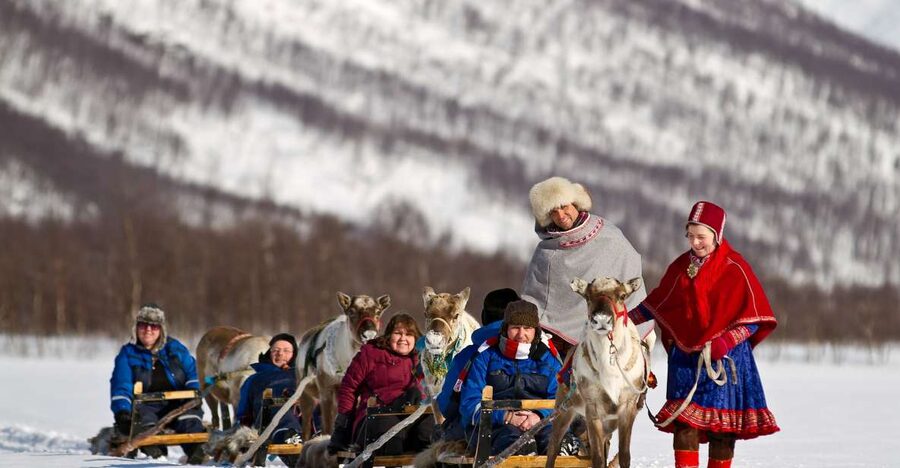
I would choose this outing if you want a well-organized day away from Tromsø with transport, warm clothing, food, and a clear cultural focus. It is especially well suited to families with older children, couples, and people who prefer a gentle outdoor activity.
The ride is slow enough for many children and older adults, though everyone should be comfortable sitting outdoors in winter conditions. The feeding time and stories add variety, so you are not relying on sledding alone to fill the day.
You may want a different activity if your main goal is speed, a long-distance sled journey, or a large herd. The camp keeps five or six reindeer, and the sled ride is intentionally short. You should also be comfortable with a long coach ride and a meeting point that takes a little effort to find.
Should you book this reindeer sledding day?
Book it if you want to meet reindeer at close range, hear personal Sámi stories, and spend a winter day in Tamokdalen without arranging transport or cold-weather gear yourself. The strongest parts are the calm sled ride, the feeding session, and the hot stew by the fire.
Skip it if $303 feels too high for a slow, short sled ride, or if you want an action-heavy Arctic excursion. For the right visitor, the value is in the complete day: remote scenery, a small herd, Sámi culture, warm clothing, and a welcoming meal rather than speed or spectacle.
FAQ
Where does the tour start?
The meeting point is at Samuel Arnesens gate 5, inside the main entrance hall of Tromsø Havn Prostneset. The bus station area is beneath the building, so allow extra time to find it.
How long is the tour?
The activity lasts seven hours in total. The bus ride to Camp Tamok takes about 90 minutes, the camp portion takes about four hours, and the return bus ride takes about 90 minutes.
How far is Camp Tamok from Tromsø?
The journey by bus takes about 90 minutes each way. Camp Tamok is in the remote Tamokdalen area.
How many reindeer are kept at the camp?
The Sámi camp keeps about five or six reindeer.
Is the reindeer sled ride fast?
No. The ride is slow and gentle because the reindeer set the pace. It is designed as a calm outdoor activity rather than a high-speed ride.
What clothing is provided?
The tour provides a thermal suit, winter boots, mittens, and a hat. You should also bring thermal clothing, weather-appropriate layers, and a scarf.
Is food included?
Yes. You receive a warm stew, drinks, and time to eat inside a traditional lavvu beside an open fire.
What language is the tour conducted in?
The live tour guide and activities are in English.
Can young children or wheelchair users join?
Children under four are not permitted, and the activity is not suitable for wheelchair users.
Just added around Tromsø
- Tromsø: Horseback Riding Tour★ 4.8 · 23 reviews
- Tromsø:Northern light tour with mini bus i Tromsø★ 4.9 · 8 reviews
- Tromsø Sweet Temptations tour: afternoon tea & chocolates★ 4.8 · 5 reviews
- Tromsø: City Walk & Polar Museum (Private or Shared)★ 3.7 · 3 reviews
- Tromsø: Tasty King Crab Adventure★ 4.5 · 49 reviews
- Tromsø: Snowshoeing in Scenic Landscape★ 4.6 · 37 reviews
- Tromsø: Sommarøy Islands Midnight Sun Tour★ 5.0 · 9 reviews
- Tromsø: Snowshoeing in a small group with free photos★ 4.3 · 4 reviews
Reindeer Experiences, compared.

Reindeer Sledding & Feeding with a Sami Guide
Read our review →
Reindeer Camp and Sami Cultural Tour with Lunch
Read our review →
Reindeer Sled, Dinner, and Chance of Northern Lights
Read our review →
Reindeer Camp Dinner with Chance of Northern Lights
Read our review →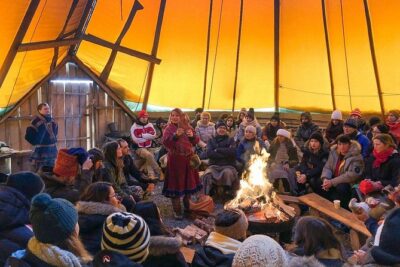
Sami Culture and Short Reindeer Sledding from Tromso
Read our review →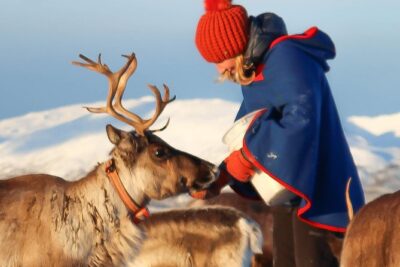
Reindeer Sledding Experience and Sami Culture Tour from Tromso
Read our review →
Reindeer Feeding and Sami Culture Including Lunch from Tromso
Read our review →
Snowshoeing Tour & Reindeer Encounter with Lunch
Read our review →Browse the lists this tour appears in