
Reviewed · WILDLIFE
Skjervøy: Birds and Wildlife of Arctic Norway
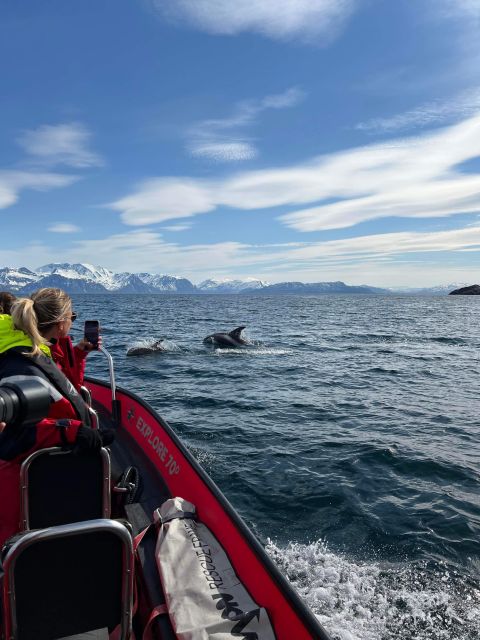
The best part of this Skjervøy outing is its mix of open-water wildlife watching and local storytelling. From a steady RIB, you scan the fjords for white-beaked dolphins, harbor porpoises, eagles, and seabirds, while keeping an eye on shore for reindeer and moose.
I like the local staff and small-scale feel, along with the chance to hear about Sami and Norwegian culture from an English-speaking guide. I also like that the company holds a Norwegian Varde quality certificate for whale watching, which adds a useful safety and service standard.
The tradeoff is simple: wildlife is never guaranteed. A previous outing crossed the fjord between snow showers but found no animals that day, so you should book this for the setting, the boat ride, and the search itself, not for a promised dolphin or whale sighting.
Key points to know before you book
- A three-hour Arctic RIB cruise: The outing runs from 9:30 a.m. to 12:30 p.m., with other starting times shown when you check availability.
- Wildlife changes with the season: Dolphins and harbor porpoises can appear year-round, while spring and summer bring especially strong bird interest.
- Whales are possible, not promised: The main winter whale-feeding period around Skjervøy ends in late January, though juvenile humpbacks and passing cetaceans may still appear.
- Warm gear is supplied: Thermal suits, life jackets, mittens, and goggles are included, but you should still wear warm clothing.
- Local stories are part of the trip: Your guide connects the fjords with Sami and Norwegian culture and generations of life along the coast.
- Weather matters: Snow, wind, and visibility can shape the day, and the boat may return without a major wildlife sighting.
A RIB ride built around the search
This is not a fixed parade of animal stops. It is a moving search across the fjords near Skjervøy, where the crew watches the water, the sky, and the shore for signs of life.
That distinction matters. A wildlife boat trip in Arctic Norway depends on season, weather, sea conditions, and animal behavior. The crew may find dolphins in one area, birds near another headland, and nothing obvious for a while. The reward comes from being out in the setting and staying alert.
The boat is described as safe and steady, but it remains a RIB, or rigid inflatable boat. You will be close to the water and exposed to Arctic conditions, even with supplied thermal gear. This gives you a more direct view than a large enclosed vessel, but it also makes warm clothing and a willingness to handle the cold important.
The three-hour length is well judged for a wildlife search. You have enough time to move through different parts of the fjord system without giving up an entire day. At $165 per person, the price is not a casual add-on, but it includes the boat, safety equipment, and a professional local guide. I see the best value here for someone who wants an active nature outing rather than a short sightseeing cruise.
More wildlife trips around Tromsø:
- Tromso Snowshoeing – Valley, Fjord Views, Wildlife, Meal & Pickup
★ 5.0 · 398 reviews - Tromsø: Winter Sea Kayaking Tour with Wildlife Sightings
★ 4.9 · 333 reviews - Fjord, Mountain and Wildlife Tour
★ 4.5 · 229 reviews
Dolphins and porpoises are the most realistic target
The company describes white-beaked dolphins and harbor porpoises as common in the area throughout the year. That makes them the most sensible animals to hope for, although common does not mean guaranteed on your particular departure.
White-beaked dolphins are larger and more noticeable when they surface near the boat. Harbor porpoises are smaller and can be harder to spot, so keep watching rather than expecting a dramatic close approach. Your guide will help direct your attention, but wildlife watching rewards patience.
The boat may slow or change course when there is something worth following. Exact behavior depends on the animals, and you should not expect a staged encounter. The appeal is the possibility of seeing a wild animal on its own terms, with the fjords and snowy surroundings forming the backdrop.
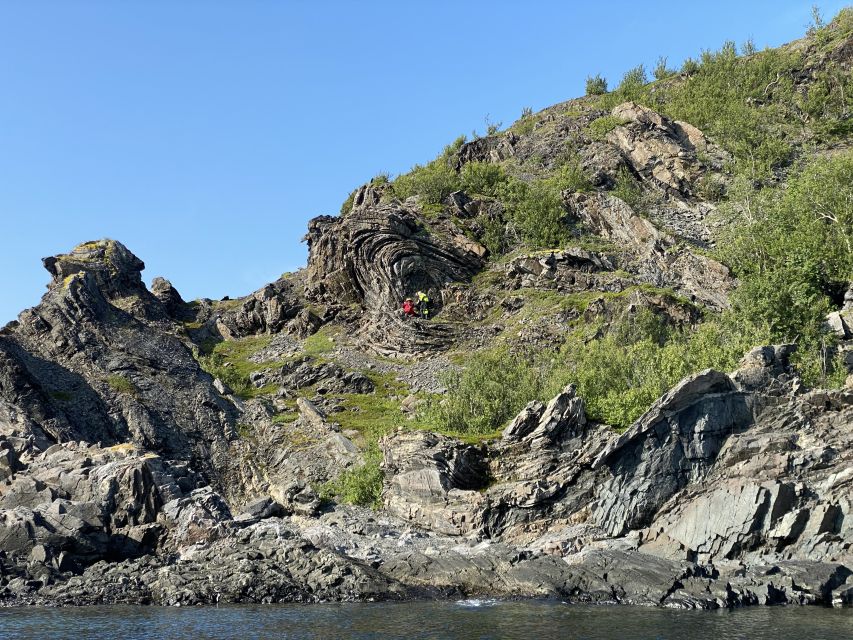
Seals and otters are also possible. These are less predictable sightings, and the company presents them as occasional rather than certain. Keep your eyes near rocky shores and the waterline, but do not spend the whole trip looking in one place. The guide may also scan inland for moose and reindeer, which are commonly seen in the wider area.
What the seasons mean for whale watching
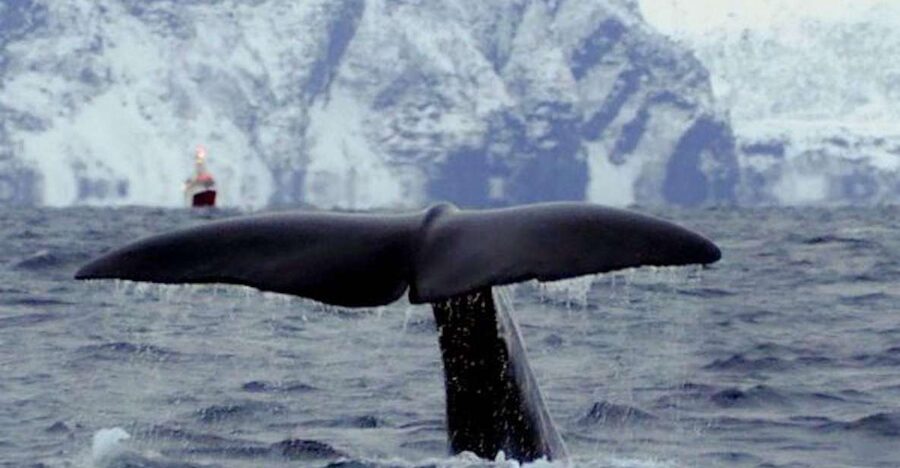
If whales are your main reason for booking, timing deserves careful thought. The winter whale-feeding period around Skjervøy ends in late January, so the strongest whale activity is not a year-round feature of this particular trip.
That does not close the door entirely. Juvenile humpback whales and other cetaceans sometimes pass through the fjord system after the main winter period. The key word is sometimes. This is best treated as a wildlife search that may include whales, not as a dedicated whale guarantee.
The Varde quality certificate for whale watching is a useful point in the company’s favor. It indicates that the operator has met a Norwegian quality standard connected with whale-watching activity. It does not change the behavior of the animals or promise a sighting, but it gives you more confidence that safety and operating practices are taken seriously.
For a whale-first trip, check the season and current conditions before paying. For a broader Arctic wildlife outing, the possible whale sighting is a welcome extra rather than the whole case for booking.
Spring and summer bring the richest bird interest
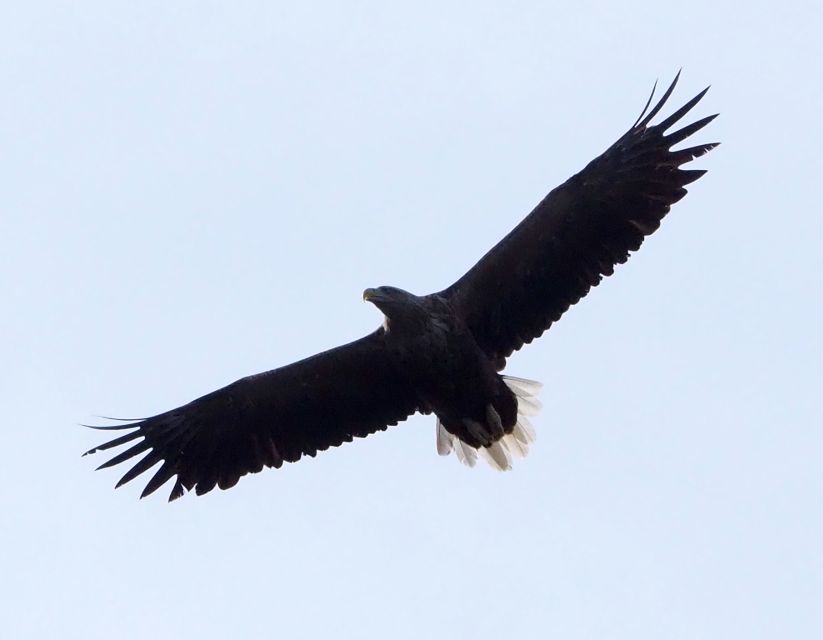
Birdlife may be the most rewarding reason to choose this outing outside the main winter whale season. The area supports a wide range of seabirds, and the company points to spring and summer as especially strong periods for bird watching.
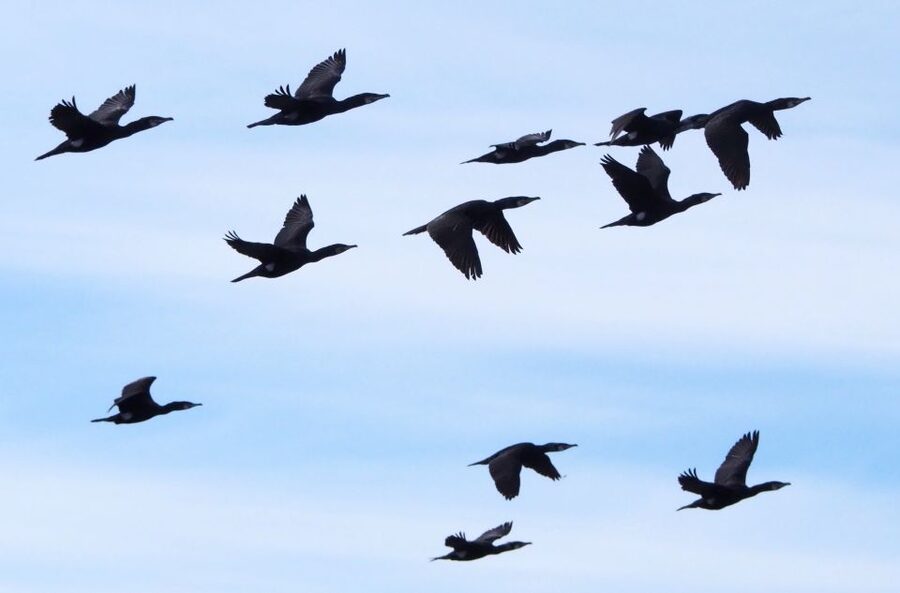
Look for large raptors such as eagles, along with cormorants whose wing movements are hard to miss. The list also includes puffins, guillemots, razorbills, little auks, Arctic terns, eider ducks, and long-tailed ducks.
These birds do not all behave in the same way. Some may sit on the water, some fly past the boat, and some stay along rocky coastal areas. The boat gives you access to views from the sea, while the guide helps place what you see in the wider setting.
If you enjoy bird watching, bring patience and keep your gaze moving. The most interesting moment may be a quick flight across the bow rather than a long, close look. Binoculars are not listed among the included equipment, so if you own a compact pair, they may be useful, provided you can manage them in cold conditions.
A few more Tromsø days to weigh up
- Tromsø: Reindeer Sledding & Feeding with a Sami Guide
★ 4.8 · 6,417 reviews - Tromsø: Whale Watching Tour by Hybrid-Electric Boat
★ 4.5 · 4,217 reviews - From Tromsø: Aurora Borealis Tour
★ 4.8 · 4,206 reviews - Tromsø’s Top-Rated Fjord & Fishing Cruise – All-Inclusive
★ 4.7 · 4,017 reviews
Sami and Norwegian stories add meaning to the fjords
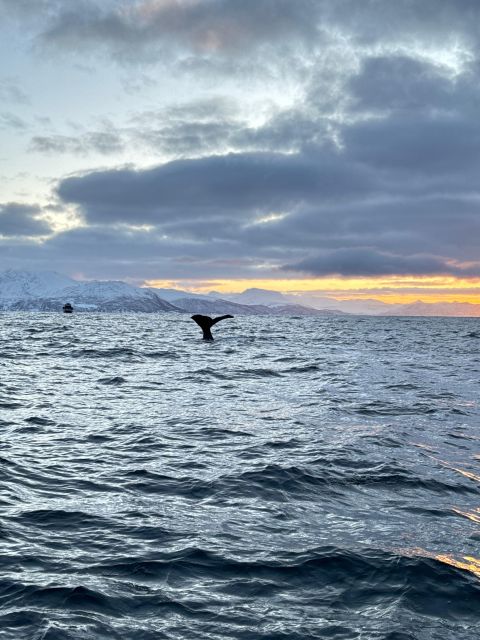
The cultural side of this trip is not a separate museum visit. It comes through stories told while you travel through the fjords and coastal areas shaped by many generations of Sami and Norwegian people.
That setting makes the context more useful. Instead of hearing a general lecture indoors, you learn about local culture and history while looking at the water and shores where coastal life has unfolded. The company places importance on storytelling, so the guide is expected to discuss more than animal names.
The information provided does not name individual guides, but the guide will speak English and is described as educated, professional, and local. That local connection matters in a small place such as Skjervøy, where the guide can relate the outing to the surrounding region rather than simply reciting facts.
This is also where the trip earns some of its value if the animals stay hidden. You still spend three hours on the water with a local host, learning how Sami and Norwegian life connects to the coast. That cannot replace a dolphin sighting, but it makes the outing less dependent on luck.
Your morning, from the red door to the fjords
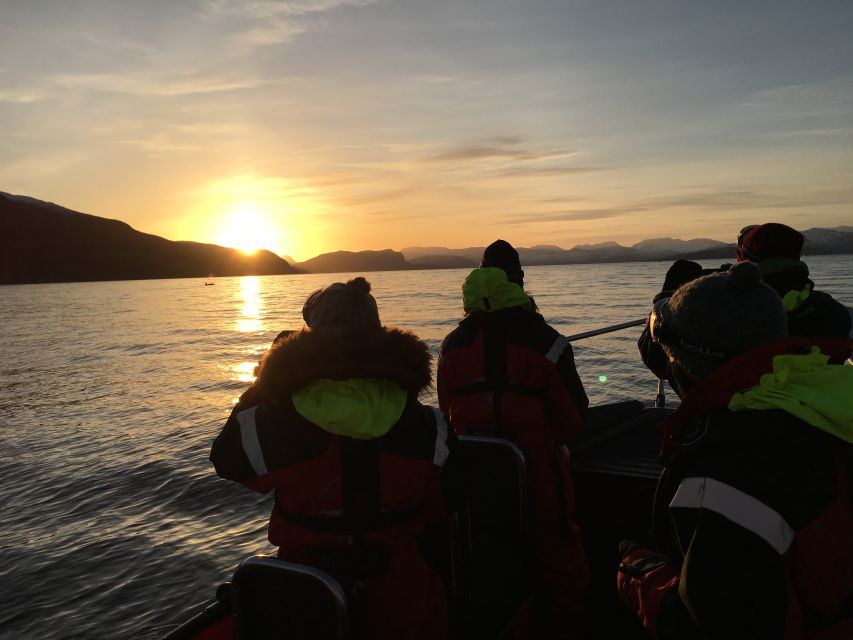
The meeting point is easy to identify: look for the red door and large windows marked with the activity company’s name. The activity begins and ends at this same point, which keeps the morning simple.
The stated operating time is 9:30 a.m. to 12:30 p.m., though you should check the available departure time when booking. There is no transport from Tromsø included. You need to arrange your own way to Skjervøy and return afterward, so factor that into both your budget and your day plan.
Once you arrive, the crew supplies a thermal suit, life jacket, mittens, and goggles. Warm clothing is still required. Arctic weather can change quickly, and the supplied gear should be viewed as protection layered over your own clothing, not a reason to arrive in light clothes.
The outing ends back at the meeting point. Food and drinks are not included, so plan those separately. The supplied information does not describe a meal stop, and a three-hour boat trip is not designed around one.
Comfort, safety, and who should skip it
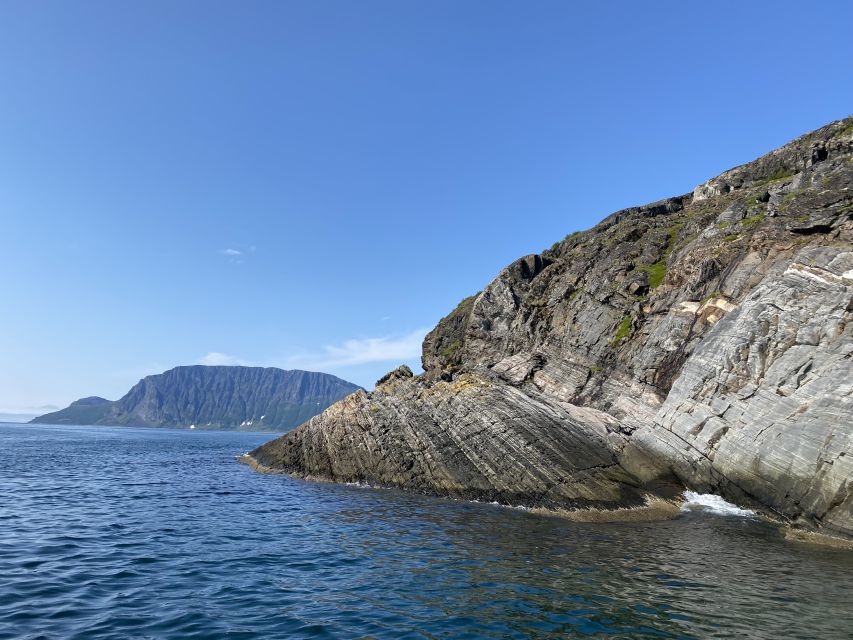
The RIB is described as safe and steady, and the crew places emphasis on keeping you cared for during the activity. The Varde certificate is another positive safety marker, particularly for an operation connected with whale watching.
Still, this is not the right choice for everyone. The outing is not suitable for people with back problems, and the company does not accept anyone who is intoxicated or using alcohol or drugs. Children under six are not permitted.
The activity is listed as wheelchair accessible. Because the boat is a RIB and the outing takes place on the water, you should confirm that the specific access arrangements fit your needs before booking. The supplied information does not spell out the transfer process or seating setup.
I would recommend this most strongly to adults and older children who enjoy open-air nature trips, can manage a moving boat, and will stay positive if wildlife does not appear. It is less suitable for anyone needing a guaranteed animal encounter, a warm indoor cabin, or a relaxed ride with no physical exposure.
Is $165 a fair price?
At $165, this is a fairly serious expense for three hours. The value comes from several elements working together: a local operator, a steady RIB, provided cold-weather equipment, an English-speaking guide, wildlife searching, and cultural interpretation.
You are not paying only for transport across the fjord. You are paying for local staff who know how to read the area, operate safely, and give the morning some meaning even when conditions are quiet. That matters in wildlife tourism, where luck controls the headline sighting.
The price is easier to justify if you are already staying near Skjervøy and want a focused Arctic activity. It is harder to justify if you must add costly transport from Tromsø and are choosing the trip only for whales. The lack of included food is minor for a three-hour outing, but the separate journey to Skjervøy is a real planning factor.
A flexible cancellation policy helps reduce the risk. You can cancel up to 24 hours ahead for a full refund, and you can reserve now and pay later. Those terms are useful when Arctic weather may affect your plans.
Weather can make or break the morning
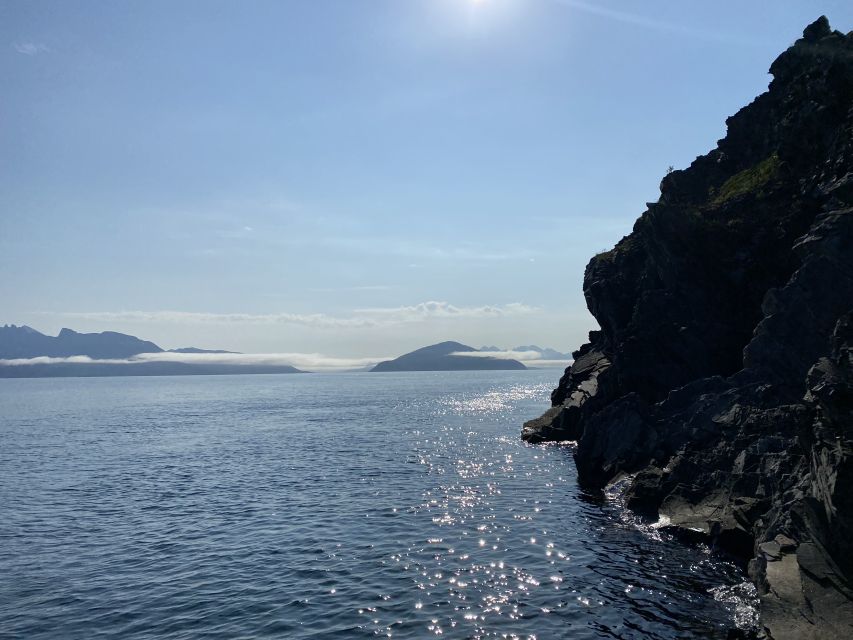
The weather is not background scenery here. Snow showers, wind, and visibility directly affect comfort and your ability to spot wildlife.
A previous outing had the good fortune to travel between two snow showers, creating a short window of better conditions. The wildlife did not appear that day, which is an honest reminder of how this works. A pleasant boat ride and clear views can still be worthwhile, but they do not guarantee dolphins, whales, or birds.
I would keep your schedule flexible and avoid placing an important connection immediately after the cruise. The supplied timing ends at 12:30 p.m., but weather and sea conditions are part of the experience. Dress for cold, expect changeable skies, and treat animal sightings as a bonus rather than a contract.
Should you book Birds and Wildlife of Arctic Norway?
Book this trip if you want a local, active introduction to the fjords around Skjervøy. It is especially appealing for bird watchers, people interested in Sami and Norwegian coastal culture, and anyone who enjoys the suspense of searching rather than following a guaranteed route.
Think twice if your only goal is to see whales, if you have back problems, or if you dislike cold and exposed boat rides. The most sensible expectation is a well-equipped three-hour search through Arctic waters, with dolphins, porpoises, seabirds, eagles, land mammals, and occasional whales all possible.
I would book it when the price fits your budget and you can accept nature’s terms. You may come back with a memorable sighting, or simply with snow-covered fjords, local stories, and a better feel for the wild coast around Skjervøy.
FAQ
Where does the activity begin?
Meet at the activity provider’s location, identified by a red door and large windows with the company’s name.
Where does the activity end?
The cruise returns to the same meeting point where it begins.
How long is the wildlife cruise?
The activity lasts three hours, with the stated schedule running from 9:30 a.m. to 12:30 p.m.
What animals might I see?
Possible sightings include white-beaked dolphins, harbor porpoises, seals, otters, whales, moose, reindeer, eagles, cormorants, puffins, guillemots, razorbills, little auks, Arctic terns, eider ducks, and long-tailed ducks.
Are whales guaranteed?
No. Whales are observed from time to time, including juvenile humpbacks and other cetaceans passing through the fjord system.
Are dolphins seen all year?
White-beaked dolphins and harbor porpoises are described as common in the area throughout the year, but wildlife sightings are not guaranteed.
What equipment is provided?
The company provides thermal suits, life jackets, mittens, and goggles. You should also bring warm clothing.
Is transport from Tromsø included?
No. Transport to and from Tromsø is not included.
Can children join the activity?
Children under six cannot take part. The activity is not suitable for people with back problems, and intoxication, alcohol, and drugs are not allowed.
Just added around Tromsø
- Tromsø: Horseback Riding Tour★ 4.8 · 23 reviews
- Tromsø:Northern light tour with mini bus i Tromsø★ 4.9 · 8 reviews
- Tromsø Sweet Temptations tour: afternoon tea & chocolates★ 4.8 · 5 reviews
- Tromsø: City Walk & Polar Museum (Private or Shared)★ 3.7 · 3 reviews
- Tromsø: Tasty King Crab Adventure★ 4.5 · 49 reviews
- Tromsø: Sommarøy Islands Midnight Sun Tour★ 5.0 · 9 reviews
- Tromsø: Snowshoeing in Scenic Landscape★ 4.6 · 37 reviews
- Tromsø: Snow Sledding, Mini Skiing, Lasso and Reindeer Hides★ 4.6 · 60 reviews
Wildlife, compared.
Tromso Snowshoeing – Valley, Fjord Views, Wildlife, Meal & Pickup
Read our review →
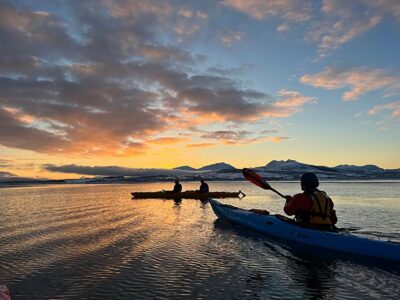
Winter Sea Kayaking Tour with Wildlife Sightings
Read our review →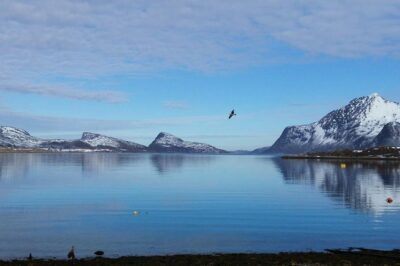
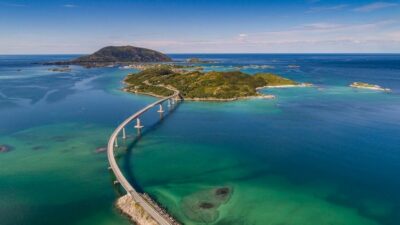
Arctic Wildlife & Fjord Sightseeing Tour by Car
Read our review →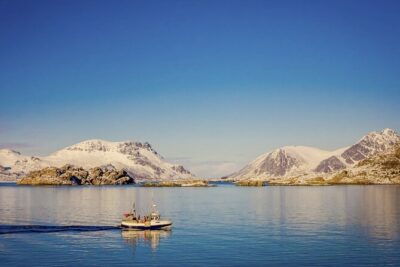
Half-Day Scenic Wildlife & Photographic Fjord Tour.
Read our review →
Browse the lists this tour appears in