
Reviewed · WHALE WATCHING
Skjervøy: Whale Watching with RIB Boat and Local Guide
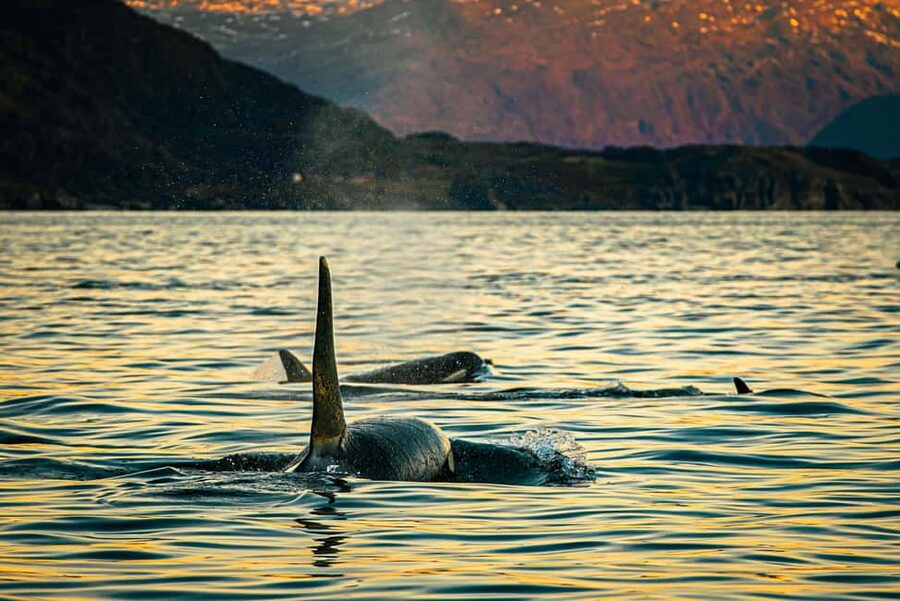
Orcas feeding in northern Norway are the main event here. From Skjervøy, you ride a powerful RIB boat into Arctic waters, where killer whales may work together around herring and humpbacks may surface nearby. Guide Viktor has earned a strong reputation for finding whales and explaining what you are seeing.
I like two things right away: the local feel of a small operator, and the practical cold-weather kit, including thermal suits, boots, hats, and goggles. The only real drawback is the weather. Even with the supplied gear, this can be a very cold, rough ride, and whale sightings can never be promised.
Key points to know before you book
- Orcas may feed as a group: The best sightings can include coordinated hunting, close approaches, and even breaching.
- Guide Viktor is a major strength: He is praised for finding whales, explaining their behavior, and keeping a respectful distance.
- The RIB ride is thrilling but exposed: Twelve people plus the guide can fit aboard, but wind, spray, and waves are part of the deal.
- The season runs from mid-October to February: Early-season trips may require more searching, while winter outings bring very short daylight and serious cold.
- Warm equipment is provided: You receive a flotation suit, boots, hat, goggles, and life jacket, but bring your own warm gloves and neck covering.
- You need to reach Skjervøy yourself: Arctic Route runs a daily bus between Tromsø and Skjervøy, making a day trip possible with careful planning.
Why Skjervøy is the place for this whale safari
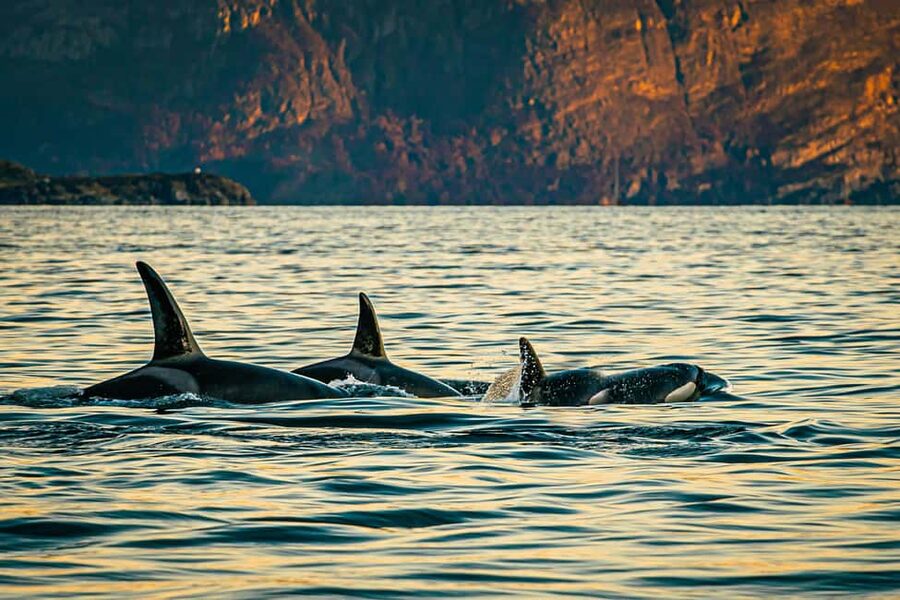
The whale action around Skjervøy follows the herring. As the fish moved farther northeast, the whales moved with them, making Skjervøy a key base for seasonal orca and humpback trips.
That location changes the feel of the outing. You are not simply taking a short boat ride from a large city harbor and hoping for a quick sighting. You are setting out from a small northern community into open water, with snow-covered mountains and wide Arctic views around you.
The reward is a more direct connection with the setting. The cost is time and effort. If you are based in Tromsø, Skjervøy is not just around the corner. You need to arrange transport, allow enough time for the bus, and be ready for a full day built around the whale safari.
The experience itself lasts three hours. That is long enough to search a broad area and spend useful time with the animals, but short enough to fit into a carefully planned day trip. The boat returns to the same harbor meeting point.
More Whale Watching Trips in Tromsø
- Tromsø: Whale Watching Tour by Hybrid-Electric Boat
★ 4.5 · 4,217 reviews - Tromsø Whale Safari with MS Gabriele
★ 4.3 · 1,937 reviews - From Tromsø: All-Inclusive Whale & Orca Safari
★ 4.5 · 1,221 reviews
Finding the harbor meeting point
The meeting point is at Strandveien 96, on the back side of the old white harbor building, downhill from the Ekstra grocery store. The listed coordinates are 70.02948760986328, 20.968090057373047.
This is useful information because the harbor can become busy when several whale operators are preparing boats. Do not simply look for a large sign at the front of a building. Go around to the harbor side and look for the old white building below the grocery store.
The operator is Reisafjord Xperience AS. English and Norwegian are available, and the guide handles the safety briefing, equipment, boat trip, and wildlife commentary.
After meeting the guide, you change into the supplied gear. The operation has a dedicated changing area, which makes the start easier, especially if several companies are sending boats out at the same time.
Getting from Tromsø to Skjervøy
This tour does not include transportation from Tromsø. If you are staying there, Arctic Route runs daily bus service between Tromsø and Skjervøy.
That connection makes the tour possible for visitors without a rental car, but you should check the bus timetable against the whale trip departure before booking. A three-hour boat tour is only one part of the day. You also need to account for the journey to Skjervøy and the return trip.
I would treat this as a full-day outing from Tromsø, not a casual add-on. The extra travel is worth considering carefully, especially in winter, when road conditions and daylight can affect the rhythm of the day. If you are already staying in Skjervøy, the tour becomes much simpler and less tiring.
What the three-hour RIB trip feels like
The RIB is a small, powerful inflatable-hull boat. It gives you a low, open position close to the water, with a much more active ride than a heated cabin cruiser.
That is the appeal. You feel the speed, hear the water, and get an unobstructed view when a whale surfaces. The boat can cover ground quickly while the guide searches for activity.
The tradeoff is comfort. The boat may roll and bounce in rough water, and spray can reach you even inside the protective gear. One outing had enough waves to create a fun rock and roll ride, while another took place in poor weather. The guide still found orcas and humpbacks, but the conditions made the experience colder and more demanding.
The boat holds 12 people plus Viktor. That is a fairly compact group for a popular whale trip. Seating is reported to be comfortable, but this is still a RIB, not a spacious sightseeing vessel. If you prefer a steady ride, indoor warmth, and a dry viewing platform, a heated cabin boat may suit you better.
More RIB Boat Tours in Tromsø:
- Whale Watching RIB Safari at Skjervøy
★ 4.8 · 136 reviews - Skjervøy: Whale and Orca Watching Tour by RIB Boat
★ 4.1 · 87 reviews - From Stavanger: RIB Tour to Lysefjord
★ 4.9 · 1,288 reviews - From Stavanger: Lysefjord Sightseeing RIB Boat Tour
★ 4.9 · 821 reviews
Watching orcas hunt and communicate
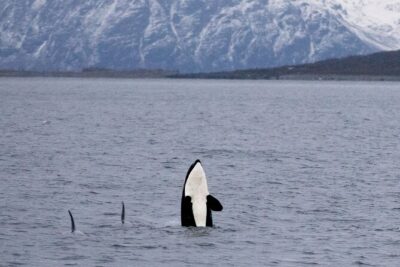
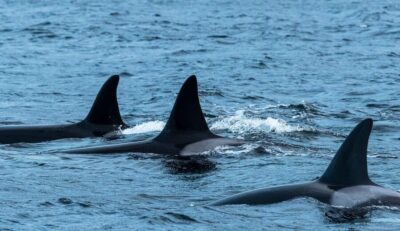
The killer whales are the stars of this outing. Their black bodies and white markings make them easy to identify, even when the sea is rough or the light is low.
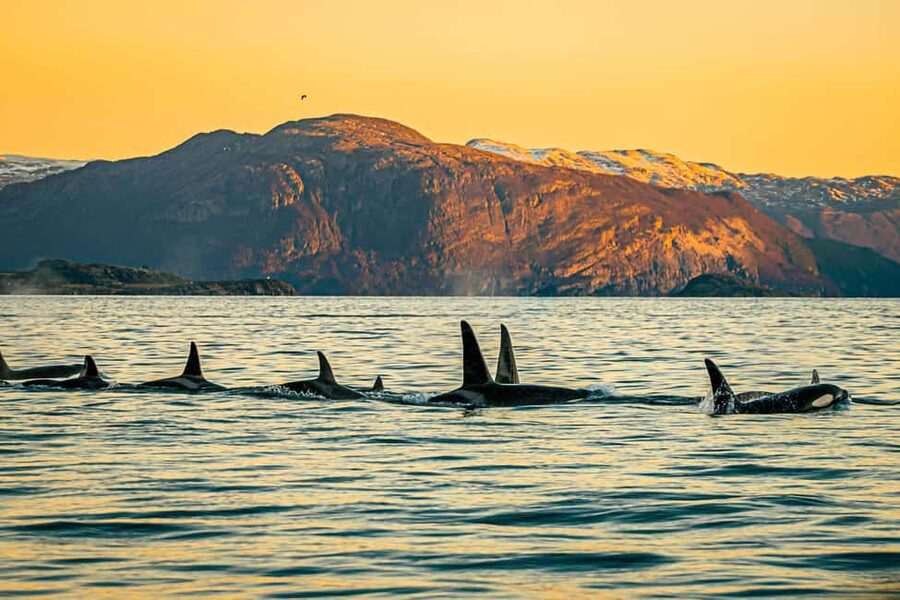
The most exciting sightings happen when the pod is feeding. Orcas can work together to catch fish, and you might see several animals moving in formation around the same area. Some trips have produced sightings of roughly 50 orcas, while others have included breaching close to the boat.
The guide explains their social behavior and communication. You learn about whistles and pulse sounds, which are part of how these animals communicate with one another. Viktor also recognizes some individual orcas by name, adding a personal touch to the time on the water.
The boat keeps a respectful distance. That matters. A close sighting should mean a clear view of the animals in their own space, not a chase that changes their behavior. On one outing, a curious orca family approached the boat after the guide had stopped at a safe distance.
You may also see the orcas from farther away, with only dorsal fins and brief blows breaking the surface. That is still worthwhile, but the experience depends on conditions, animal movement, and how much time the guide needs to search.
Humpbacks, fin whales, and individual tails
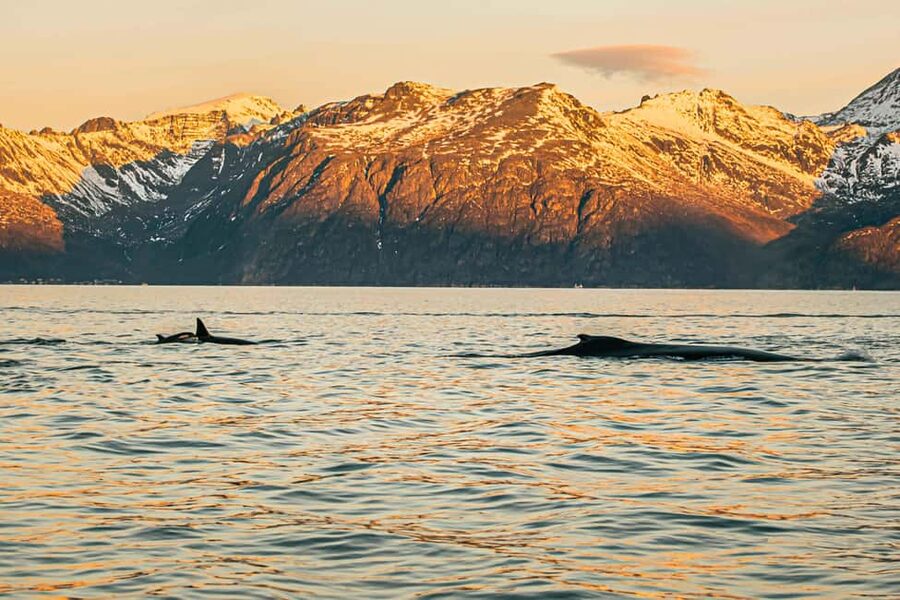
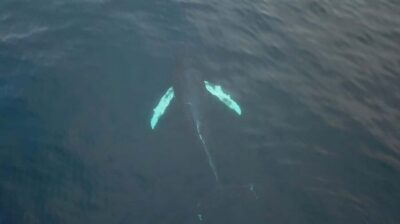
Humpback whales are often seen alone or in small groups. They are larger and slower-moving than the orcas, but their surface behavior can be dramatic.
A humpback may breach, lift its tail, or surface close enough for you to hear and watch its breathing pattern. Its song is another part of the guide’s commentary, though the main focus of the trip is visual wildlife watching rather than underwater listening.
Each humpback has a distinctive tail pattern. If you get a clear view of the fluke, you can begin to see how researchers identify individual whales.
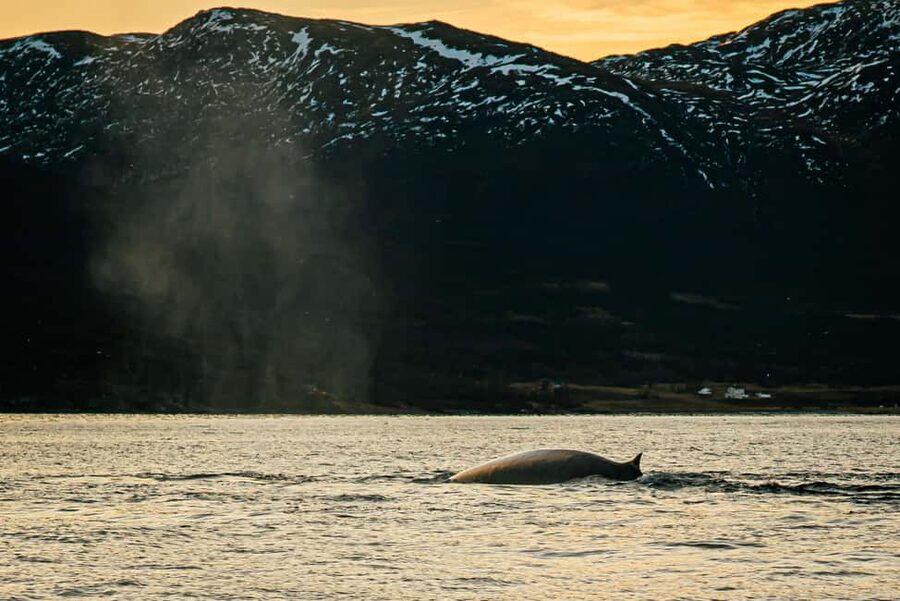
Fin whales have also been spotted on these trips. Seeing orcas, humpbacks, and fin whales in one outing is possible, but it should be treated as an excellent bonus rather than a standard promise.
Guide Viktor and the value of local knowledge
Viktor is frequently praised for two jobs that matter most on a whale safari: finding the animals and caring for the people on board.
He searches actively rather than simply heading to one fixed viewing point. On difficult-weather days, he has still located orcas and humpbacks. He also explains what is happening as the boat watches, including feeding behavior, whale identification, and conservation.
His approach seems flexible. If you have already seen orcas and want to look for humpbacks, he tries to respond to that preference when conditions allow. He has also extended a trip slightly when a group of orcas was putting on an especially good show.
That does not mean every outing will run longer or produce every species. It means the guide pays attention to the experience instead of treating the three-hour schedule as a rigid race back to the harbor.
At the end, hot chocolate and cookies may be served at the base. After a cold ride, this simple finish has real value. It gives you a chance to warm up, talk through what you saw, and regain feeling in your hands.
Clothing, cold, and what you should bring
The operator supplies a good set of outer equipment:
- Warm flotation suit
- Life jacket
- Thermal or waterproof boots
- Hat
- Goggles
The goggles are especially useful because they protect your eyes from wind and spray while the boat is moving. The suit helps, but it does not make the Arctic feel mild.
Bring warm gloves that work in wet conditions. One outing made clear that the supplied gloves were not enough for everyone. Bring a neck warmer or similar covering too, and use it even if the guide does not make it sound essential.
Wear warm layers under the suit. Avoid treating the provided equipment as a complete replacement for your own winter clothing. You will be outside on cold water, often at speed, and the last part of the trip can feel harder than the first if your hands, neck, or face are exposed.
Protect cameras and phones in a waterproof bag. Heavy spray can reach the boat, particularly when the sea is rough. You want to watch the whales, not spend the ride worrying about electronic equipment.
Timing the season from October to February
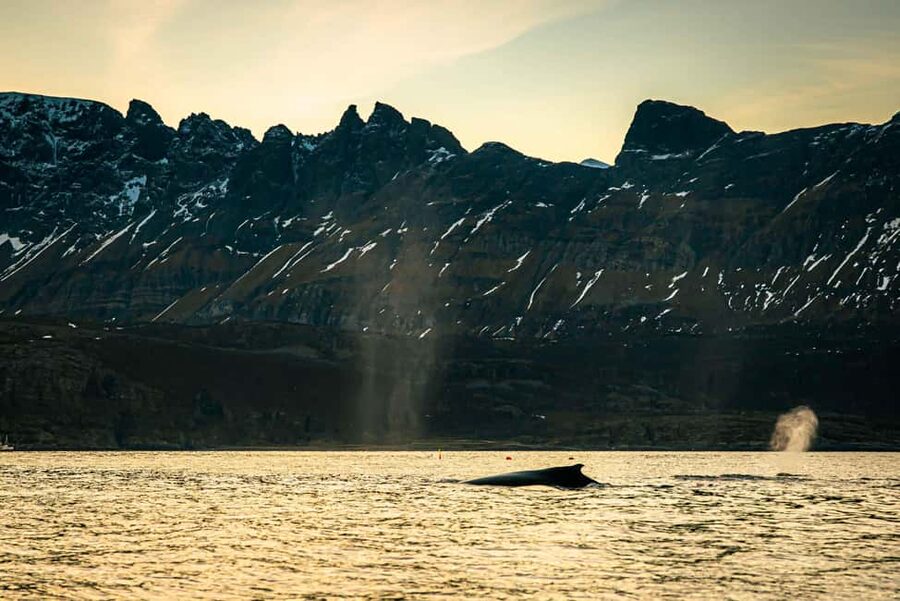
The whale-watching season runs from about the middle of October through February. This is a narrow window, and conditions change across it.
In October, you may have more daylight and clearer views of the mountains. Early in the season, the boat may need extra time to find the whales, especially if the herring and pods are shifting position.
By December and January, the Arctic setting feels more intense. Snow-covered peaks, dark water, and low winter light create striking conditions, but the cold becomes a serious factor. One January outing had particularly rewarding sightings, including all three major whale types, but that kind of result is never guaranteed.
Weather can affect the ride and the visibility. Poor weather does not always end the search, but it may mean more spray, rougher water, and fewer clear views. I would choose the trip for the wildlife and the raw setting, not for a relaxed scenic cruise.
Is the RIB a good value?
No price is provided here, so I cannot judge the exact cost. I can judge what you receive for the booking.
You get three hours on the water, a local guide, a small group, a powerful boat, safety equipment, warm outerwear, and a serious attempt to locate whales. The value is strongest when you want an active wildlife experience rather than a comfortable boat ride.
The supplied gear also saves you from renting a flotation suit and waterproof boots separately. The hot drink at the end is a small touch, but it matters after a cold morning.
The value is weaker for someone who dislikes rough water or expects guaranteed close sightings. Wildlife trips depend on nature, and the boat may need to travel and search before finding the animals.
Flexible booking helps. You can reserve now and pay later, and cancellation is free up to 24 hours before the activity for a full refund. That is useful when your northern Norway plans depend on weather and transport.
Who should book this Skjervøy whale tour?
I would choose this trip if you want:
- A fast, open-water ride rather than a slow cabin cruise
- The best possible chance to see orcas during the October to February season
- A small group with direct access to the guide
- A local operator based in Skjervøy
- Wildlife explanations in English or Norwegian
- A trip that may include humpbacks and fin whales as well as orcas
I would think twice if you need warmth, still water, or indoor seating. Families can enjoy it, but the cold and rough ride may be tiring for young children. You should also be comfortable planning the transport if you are coming from Tromsø.
Should you book it?
Yes, if your main goal is to see orcas in a close-to-the-water setting and you accept the cold, spray, and uncertainty that come with wildlife watching.
The strongest reasons to book are Viktor’s whale-finding skill, the well-prepared safety gear, the compact boat, and the chance to watch feeding behavior rather than simply spotting a distant fin. Bring serious winter clothing, plan your Tromsø connection carefully, and protect your camera.
Choose a heated cabin boat instead if comfort matters more than speed and exposure. But for an active Arctic outing with a real chance of memorable orca and humpback encounters, this Skjervøy RIB trip offers strong value and a clear sense of place.
FAQ
Where does the whale-watching trip start?
It starts at Strandveien 96 in Skjervøy, at the back of the old white building in the harbor, downhill from the Ekstra grocery store.
How long is the whale-watching activity?
The boat trip lasts three hours and returns to Strandveien 96.
Which whales might I see?
You may see killer whales, humpback whales, and fin whales. Orcas and humpbacks are the main species described for the activity.
When does the whale season run?
The seasonal whale-watching period runs from the middle of October through February.
Is transportation from Tromsø included?
Transportation from Tromsø is not included. Arctic Route runs daily bus trips between Tromsø and Skjervøy.
Who guides the trip?
The local company is Reisafjord Xperience AS. Guide Viktor is specifically associated with the trips described here.
What clothing and safety equipment are provided?
The operator provides warm outerwear, life jackets, hats, thermal or waterproof boots, and goggles.
Should I bring extra clothing?
Yes. Bring warm gloves and neck protection, and wear warm layers under the supplied suit. The RIB ride can be very cold, even with the provided equipment.
What languages are available?
The live guide service is available in English and Norwegian.
Can I cancel the booking?
You can cancel up to 24 hours in advance for a full refund. The activity also offers reserve now and pay later booking.
Just added around Tromsø
- Tromsø: Horseback Riding Tour★ 4.8 · 23 reviews
- Tromsø:Northern light tour with mini bus i Tromsø★ 4.9 · 8 reviews
- Tromsø: City Walk & Polar Museum (Private or Shared)★ 3.7 · 3 reviews
- Tromsø: Tasty King Crab Adventure★ 4.5 · 49 reviews
- Tromsø Sweet Temptations tour: afternoon tea & chocolates★ 4.8 · 5 reviews
- Tromsø: Snowshoeing in Scenic Landscape★ 4.6 · 37 reviews
- Tromsø: Sommarøy Islands Midnight Sun Tour★ 5.0 · 9 reviews
- Tromsø: Snow Sledding, Mini Skiing, Lasso and Reindeer Hides★ 4.6 · 60 reviews
Whale Watching, compared.
Silent Whale Watching by Hybrid-Electric Boat from Tromsø
Read our review →
Bleik: Whale Watching by Speedboat with Puffins and Muffins
Read our review →

Browse the lists this tour appears in