
Reviewed · CITY TOURS
Oslo City Walks – The City of Contrasts
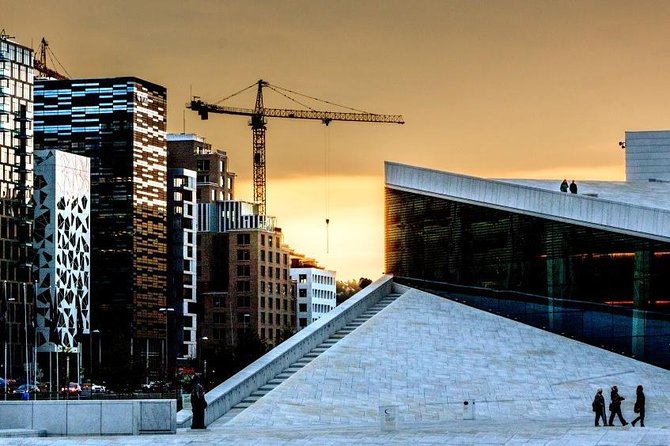
Oslo’s best story is its sharp contrast: old streets and historic civic buildings sit beside daring new architecture. This two-hour walking tour follows that story from the Opera House and Bjørvika to Kvadraturen, giving you a useful first look at how the capital is changing.
I like the route for two clear reasons. First, the Opera House roof offers a memorable way to see modern Oslo, provided time and conditions allow. Second, the walk links major sights with a local guide instead of leaving you to piece the city together from separate stops. The main consideration is pace: you need moderate fitness, and the tour runs in all weather.
- The Opera House roof: Walk up the sloping exterior if time allows, with no admission charge.
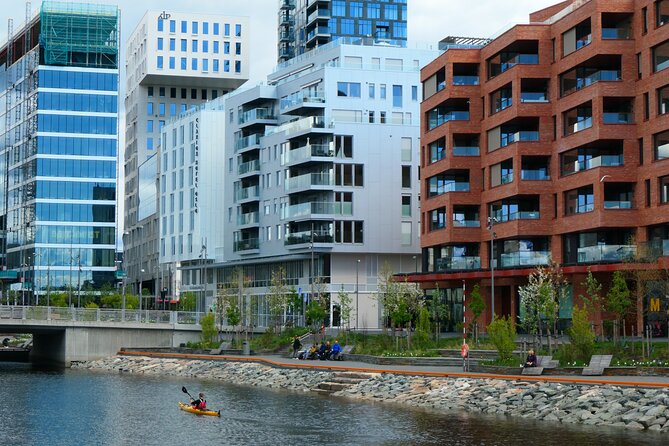
- Bjørvika in transition: See how a former container port is becoming one of Oslo’s main cultural districts.
- Munch museum stop: Allow for a look at the building and area, but remember museum admission is not included.
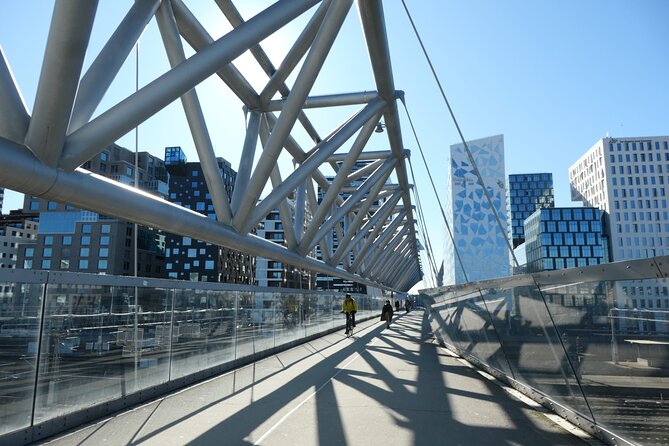
- Akrobaten Bridge: Cross a distinctive pedestrian link between Grønland and Bjørvika.
- Historic Kvadraturen: Connect Oslo’s modern waterfront with the city’s older town center and traditional dining.
- Small-group format: The maximum group size is 20, making a guide-led walk easier to follow than a large coach outing.
Why Oslo’s Contrasts Make a Good Walking Theme
Oslo can feel difficult to read at first. The city has a compact center, but its most important changes are spread between old streets, the waterfront, and newer cultural buildings. This tour gives those pieces a common thread.
You begin near Oslo Visitor Center at Jernbanetorget, a practical meeting point close to public transportation. From there, the walk heads toward the waterfront and the Bjørvika district. The route ends at Deichman Bjørvika, the major library by the newer waterfront development.
That start-to-finish direction matters. You are not simply taken to a list of landmarks. You move through a city in the middle of a major makeover, then connect it with the older Kvadraturen area. I find that more useful than a tour focused only on postcard sights.
The walk begins at 5:00 pm and lasts about two hours. That timing gives you an afternoon-to-evening view of the center, though daylight conditions will change with the season. In bad weather, the tour still operates, so check the forecast and dress for wind, rain, or cold.
The Opera House Roof and Oslo’s Modern Face
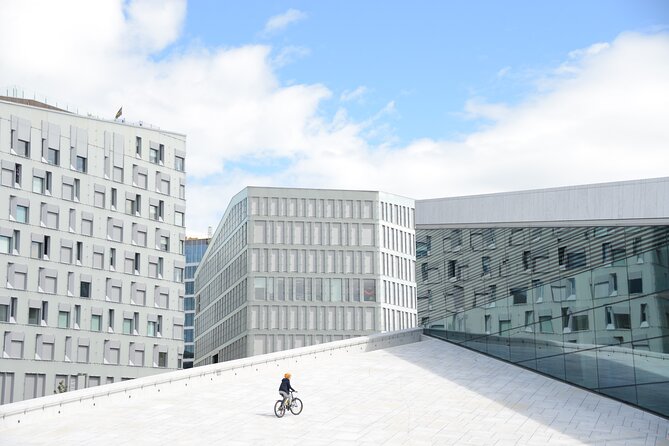
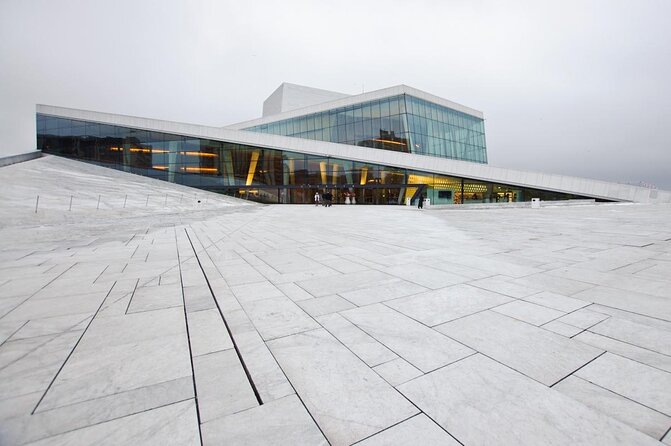
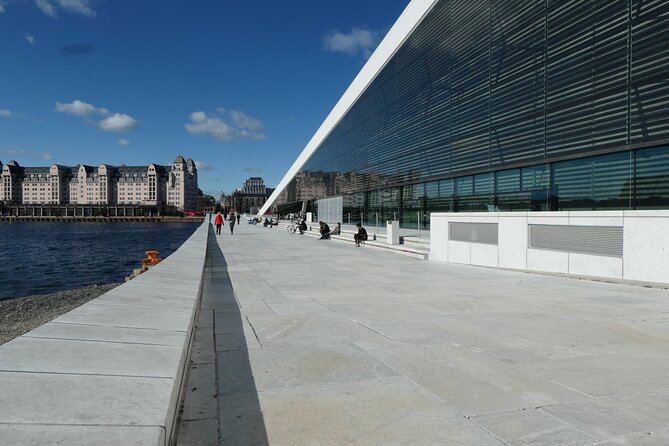
The Norwegian National Opera & Ballet is the natural opening point for this theme. Its broad, pale exterior rises in angled planes from the waterfront, allowing people to walk across the roof rather than viewing the building only from the street.
If time allows, your guide takes you onto the roof. The roof walk is free, but it is not guaranteed, since the schedule and conditions may affect how long you spend there. Bring shoes that feel secure on a sloping surface, and keep in mind that exposed waterfront weather can change your comfort quickly.
The value here is not just the building itself. The Opera House shows how Oslo has turned public architecture into part of the city’s daily life. You can approach it, walk across it, and use it as a viewing point without buying a performance ticket.
Your guide can also set up the larger idea of the tour here: Oslo is investing in public spaces and cultural buildings while keeping them open to ordinary city life. You get a strong first example before moving deeper into Bjørvika.
More City Tours in Oslo
- Oslo: City Sightseeing Hop-On Hop-Off Bus Tour
★ 3.6 · 724 reviews - Oslo: Grand City Sightseeing Tour by Bus with Fjord Cruise
★ 4.6 · 647 reviews - Oslo Combo Tour: Grand City Tour and Oslo Fjord Cruise
★ 4.5 · 555 reviews
Bjørvika and the Munch Museum
The next major stop is the Munch museum, which opened in October 2021. It is one of the newest major attractions in Bjørvika and helps explain why this part of Oslo feels so different from the older center.
The stop lasts about 20 minutes. Museum admission is not included, so this tour is better understood as an introduction to the building, district, and city redevelopment rather than a full museum visit. If you want to see the collection inside, plan that as a separate activity.
That arrangement has a practical upside. You can learn where the museum fits into Oslo’s cultural district without paying for a second attraction you may not have time to explore. On the other hand, art lovers may find 20 minutes too brief if they hoped to visit the galleries during the walk.
I like having the Munch museum on the route because it keeps the tour from treating architecture as decoration. Bjørvika is not simply a new collection of attractive buildings. It is a working example of how a former container port is being reshaped into a cultural hub.
Your guide is the key to this stop. The supplied experience information does not name the guide, but the tour is led in English by a local guide. A strong guide can make the transition from port district to cultural quarter easier to understand, especially if you are new to Oslo.
Crossing Akrobaten Bridge Between Two Districts
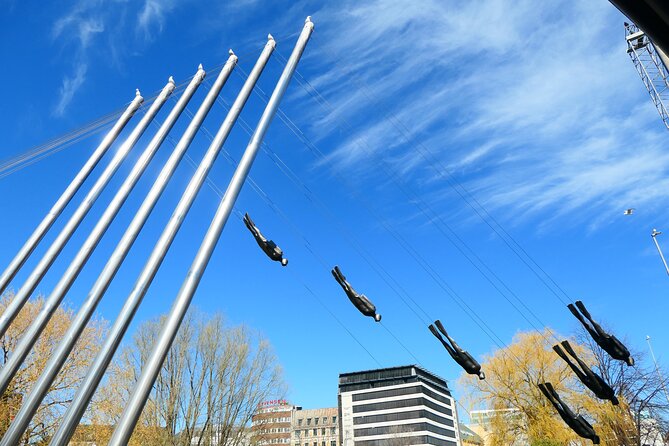
Akrobaten Pedestrian Bridge links Grønland and Bjørvika. The crossing takes about 10 minutes, and there is no admission charge.
This is a small stop, but it adds useful movement to the walk. Instead of viewing Bjørvika from one fixed point, you cross between two parts of Oslo and see how the new district connects with an older urban area. The bridge is also a popular city feature, so it gives the route a clear visual marker.
Do not expect a long bridge tour or a separate attraction with an entrance. Its value comes from the connection. You get a brief break from large buildings and a chance to understand the relationship between the waterfront development and Grønland.
The bridge may feel exposed in poor weather. Since the tour runs in all conditions, a rain jacket and warm layers are sensible, especially for the 5:00 pm start. The walk is not described as strenuous, but the moderate fitness requirement still matters because you remain on foot for the full experience.
Kvadraturen and Oslo’s Older Center
The modern waterfront is only half the story. The tour also visits Kvadraturen, an older part of central Oslo with historic civic and dining connections.
Here you see what was once Oslo’s original town hall and learn about the city’s early center. The area is also home to Oslo’s oldest restaurant. These details help balance the newer Opera House, Munch museum, and port redevelopment.
Kvadraturen gives you a useful reminder that Oslo’s past is not confined to a museum display. Historic streets and old public buildings remain part of the working center. I like this section because it prevents the tour from becoming a simple showcase of recent construction.
The exact amount of time spent in Kvadraturen is not specified, so the guide may adjust the balance between locations. The tour has several stops packed into two hours, and the Opera House roof is dependent on time. If you want a slow architectural study of every building, this route may feel brisk.
If you want a first orientation, the pace makes sense. You can note the places that deserve a longer return visit, including the Munch museum and the older streets around Kvadraturen.
A few more Oslo days to weigh up
- Oslo: Scenic Fjord Cruise with Audio Guide Commentary
★ 4.5 · 5,375 reviews - Oslo Nature Walks: Island Hopping Tour
★ 4.8 · 2,713 reviews - Oslo: 100% Electric Oslofjord Sightseeing Cruise
★ 4.4 · 2,041 reviews - Oslo: Fjord Evening Cruise with Shrimp Buffet
★ 4.5 · 1,956 reviews
What the Two-Hour Format Really Gives You
Two hours is enough to connect the main themes, but not enough for long visits inside attractions. That is especially important at the Munch museum, where the ticket is not included.
I see this tour as a city introduction rather than a complete Oslo sightseeing day. You get an English-speaking local guide, a route through several distinct areas, and the chance to ask questions as you walk. You do not get hotel pickup, hotel drop-off, or attraction admission.
The maximum group size is 20 people. That is small enough to make a guide’s explanations easier to hear than on a large sightseeing bus, though the experience is still a group walk rather than a private tour. If you prefer very quiet, flexible sightseeing, a private guide may suit you better.
The tour is booked an average of 13 days ahead. That does not guarantee it will sell out, but it is a useful planning clue. If your Oslo schedule is tight, booking early is sensible, particularly because there is one listed start time at 5:00 pm.
The 4.9 rating from 47 reviews and 98 percent recommendation rate point to a consistently strong experience. The praise focuses on the guide being terrific, informed, and enthusiastic. That matters here because the tour depends on explanation. The buildings are easy enough to see on your own, but the link between port redevelopment, public architecture, and older Oslo is what gives the walk its value.
Is $53.31 a Fair Price?
At $53.31 per person, this is not the cheapest way to walk around Oslo. You can view the Opera House exterior and cross Akrobaten Bridge without paying an entrance fee. The price is mainly for the local guide, the planned route, and the context connecting the stops.
I think the cost is reasonable if you want your first Oslo walk to be organized and purposeful. You are covering several areas in about two hours, with a guide who can explain why the city looks as it does today. You also avoid spending your first afternoon working out the best route between the waterfront, Bjørvika, Grønland, and Kvadraturen.
The value drops if you only want to photograph the Opera House or see the Munch museum from outside. It also drops if you prefer to move slowly and spend a long time inside one attraction. Since the museum ticket is separate, art lovers should add that expense and extra time to their plans.
Free cancellation up to 24 hours before the 5:00 pm start gives you useful flexibility. Cancellations made less than 24 hours before the start time are not refunded, and late changes are not accepted.
Who Will Enjoy This Oslo Walk Most?
I would recommend this experience to first-time visitors who want a quick sense of Oslo’s center and waterfront. It is particularly useful if you have only a short stay and want a guide to explain the city’s newer districts before exploring independently.
It also suits architecture fans, urban-planning followers, and anyone curious about how a port area becomes a cultural district. The route has enough history to keep it from feeling like a tour of new buildings alone.
You should be comfortable walking for two hours in changing weather. The activity requires moderate physical fitness, and the route includes outdoor stops. Service animals are allowed, and the meeting point is close to public transportation.
Families with older children may like the visible contrasts and short stop lengths, though the listing does not give a minimum age or child-specific format. If someone in your group needs frequent rests or indoor shelter, ask before booking because the walk operates outdoors in all weather.
Practical Tips for Making the Most of It
Meet at Oslo Visitor Center, Jernbanetorget 1, at 5:00 pm. The tour finishes at Deichman Bjørvika, Anne-Cath. Vestlys plass 1, so you do not return to the starting point. That is helpful if you plan to continue at the library or explore the waterfront afterward, but it means you should not leave belongings at the starting area.
Wear comfortable walking shoes. Add waterproof layers when the forecast is uncertain, since the experience goes ahead in rain and other weather. The Opera House roof and Akrobaten Bridge are outdoor sections, and the waterfront can feel colder than sheltered streets.
Keep your schedule flexible after the walk. The route ends near the Munch museum and Deichman Bjørvika, making the area convenient for further independent sightseeing. Do not count on visiting the museum during the tour itself, since admission is separate and the stop lasts about 20 minutes.
Book at least a day ahead if you want the full cancellation safety net. Since the tour is often booked around 13 days in advance, earlier planning may be wise during a short Oslo visit.
Should You Book Oslo City Walks?
Book it if you want an efficient, guide-led introduction to Oslo’s contrasts, especially the link between the Opera House, Bjørvika’s redevelopment, Akrobaten Bridge, and historic Kvadraturen. The local guide, English-language format, small maximum group, and strong rating make it a solid choice for a first walk.
Skip it if you want a full Munch museum visit, hotel pickup, or a private and unhurried pace. For most visitors, the best way to use this tour is as an orientation walk, then return on your own to the museum, waterfront, or older center that caught your interest.
FAQ
Where does the Oslo city walk begin?
It begins at Oslo Visitor Center, Jernbanetorget 1, 0154 Oslo, Norway.
What time does the tour start?
The tour starts at 5:00 pm.
How long does the walk last?
It lasts approximately two hours.
Where does the tour finish?
It ends at Deichman Bjørvika, Anne-Cath. Vestlys plass 1, 0150 Oslo, Norway.
Is the tour offered in English?
Yes. The tour is offered in English and includes a local guide.
Is admission to the Munch museum included?
No. Admission to the Munch museum is not included.
Does the tour operate in bad weather?
Yes. It operates in all weather conditions, so you should dress appropriately.
How many people can join the tour?
The maximum group size is 20 people.
Can I cancel for a full refund?
Yes, if you cancel at least 24 hours before the experience start time. Cancellations made less than 24 hours ahead are not refunded.
Just added around Oslo
- Oslo Winter Highlights Bike Tour★ 5.0 · 36 reviews
- 4 hours Best View of the Oslofjord Winter Edition★ 4.0 · 15 reviews
- The Viking Planet Museum – Mini Group (4 adults)★ 4.0 · 16 reviews
- Unknown war. Oslo and Norway during 1940-45★ 5.0 · 74 reviews
- The Ultimate Norwegian Skiing Experience★ 5.0 · 16 reviews
- The Ultimate Study of the Human Form at Vigeland’s Sculpture Park with a Local★ 4.0 · 14 reviews
- The Oslo Beer Adventure★ 4.5 · 11 reviews
- The Essential Oslo Private Walking Tour★ 5.0 · 79 reviews
City Tours, compared.
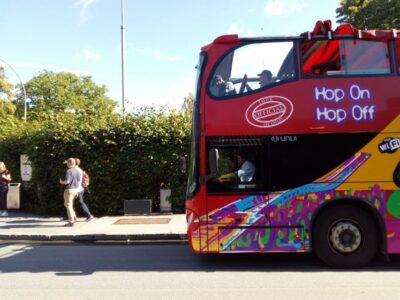
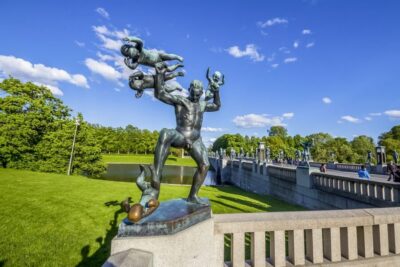
Grand City Sightseeing Tour by Bus with Fjord Cruise
Read our review →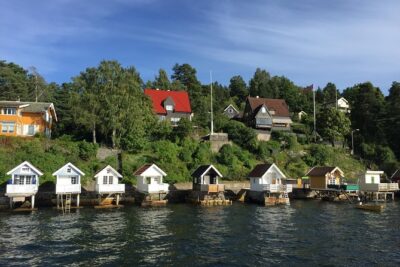
Oslo Combo Tour: Grand City Tour and Oslo Fjord Cruise
Read our review →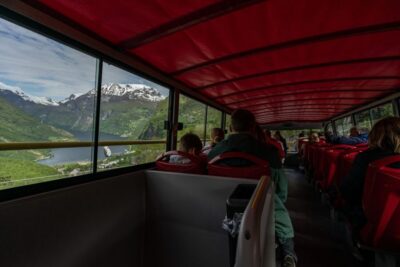
Browse the lists this tour appears in