
Reviewed · OSLO TOURS
Oslo Nature Walks: Island Hopping Tour
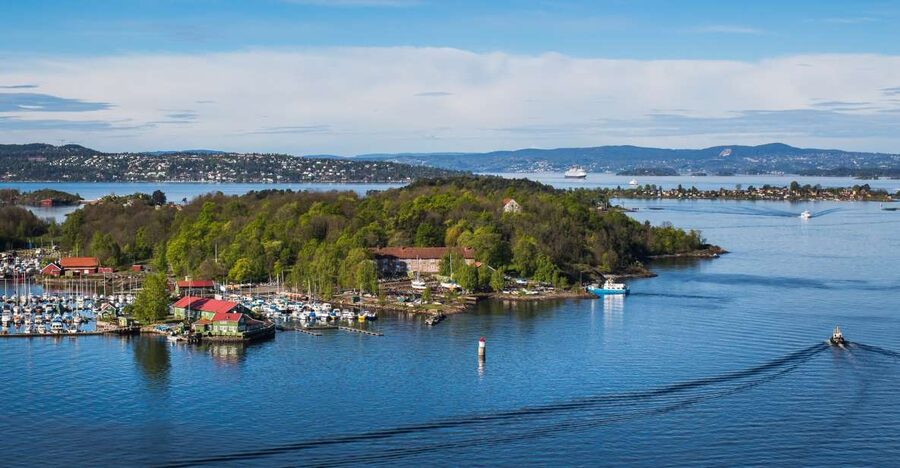
Oslo’s fjord islands sit only a short ferry ride from the city, yet they feel far removed from traffic and trams. This tour combines Hovedøya’s nearly 1,000-year-old abbey ruins with quiet beaches, forest paths, and the painted cabins of Lindøya. I especially like the easy mix of history and open-air scenery, plus the chance to see Oslo from the water without booking a private cruise.
I also like that the ferry rides are part of the everyday public transport system, not a staged sightseeing boat. Guides such as Patrick, Shaf, Giovanni, and Carolina have brought local stories, practical Oslo tips, and plenty of humor to the walk. The main caution is simple: you walk about 7 kilometers on gravel, dirt, and stones, and cold or wet weather can make the outing feel more demanding than the four-hour time suggests.
Key things to know before you go
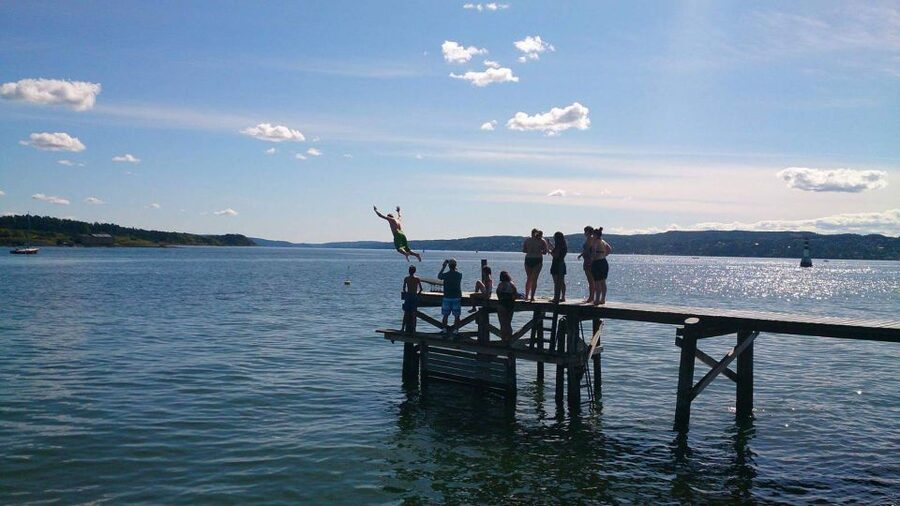
- Hovedøya combines medieval ruins, beaches, sheep pastures, and old cannons in one compact island walk.
- Summer visits three islands, usually Hovedøya, Gressholmen, and Lindøya, from April through August.
- Winter visits two islands from September through March and lasts about 3.5 hours.
- The ferry rides are public transport, giving you real views of Oslo’s harbor and fjord rather than a sealed-off sightseeing experience.
- Bring lunch from April through September, as the picnic stop depends on kiosk hours and weather.
- Good trail shoes matter, since the route covers roughly 10,000 steps over uneven ground.
Why Oslo’s island ferry tour is worth your time
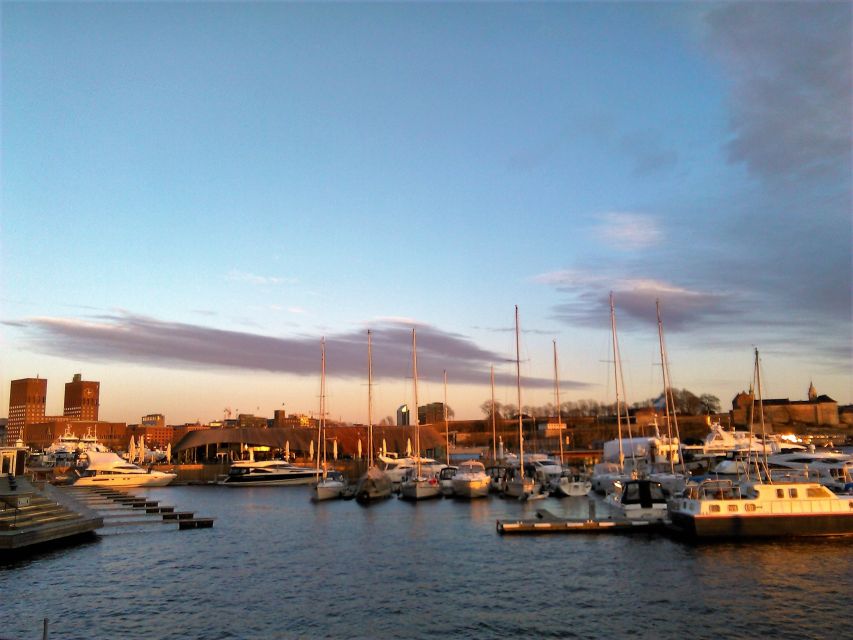
The best feature of this tour is its change of pace. You begin beside Oslo’s City Hall, then board a regular ferry and watch the urban waterfront slide away. Within minutes, you are walking among trees, shore rocks, old foundations, and small holiday homes.
At $69 per person, the price is higher than simply buying ferry tickets and visiting an island independently. The added value comes from the guide. You receive the ferry transport, a planned walking route, historical explanation, and help with timing the connections. You could visit Hovedøya on your own, but you would likely miss the story of the English monks, the island’s military role, and the small details that connect Oslo’s past with its present.
This is not a polished cruise with a seat and a running commentary. It is a walking tour with ferry transfers. That distinction matters. You should expect pauses for photographs, short talks, and views, but also uneven paths and a steady amount of walking.
A few more Oslo days to weigh up
- Oslo: Scenic Fjord Cruise with Audio Guide Commentary
★ 4.5 · 5,375 reviews - Oslo: 100% Electric Oslofjord Sightseeing Cruise
★ 4.4 · 2,041 reviews - Oslo: Fjord Evening Cruise with Shrimp Buffet
★ 4.5 · 1,956 reviews
Starting beside Oslo City Hall
The meeting point is at Rådhusbrygge 4, near the public ferry departure area at Platform E and the Fisketorget restaurant. Arrive about 10 minutes early. The starting point is central, but the waterfront can be busy with several ferry platforms, so do not cut it close.
The first ferry ride takes about 10 minutes. It is short, but it quickly shows why Oslo’s fjord is central to the city’s identity. From the boat, you get changing views of the harbor, shoreline buildings, and low islands scattered beyond the center.
The ferry is part of the experience, not dead time between stops. You can use the crossing to rest your legs, take photographs, and see the city from a different angle.
Hovedøya: monks, ruins, beaches, and Napoleonic-era defenses
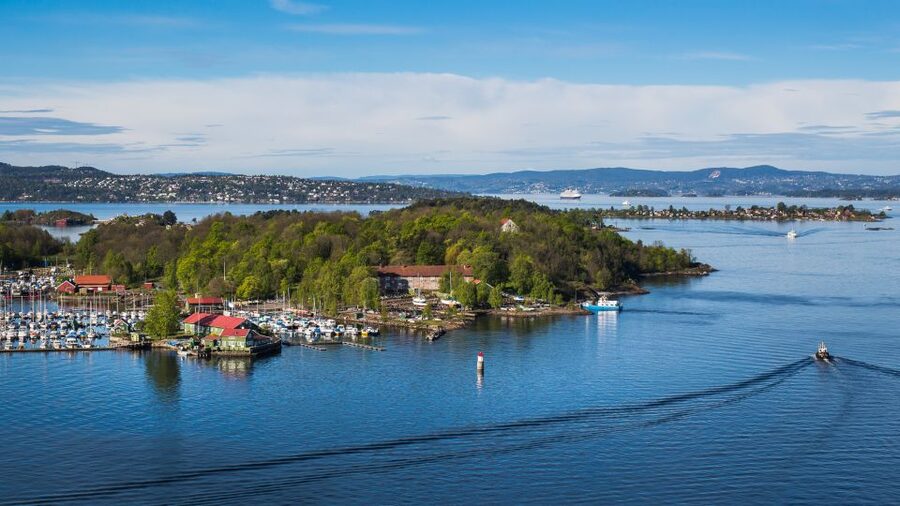
Hovedøya is the historical heart of the tour. Its name means Main Island, and the island gives you the strongest sense of how close Oslo’s nature is to its city center.
The key sight is the medieval abbey founded by English monks nearly 1,000 years ago. Your guide explains how Christianity took hold in Norway after the Viking era and how the abbey became an important religious and economic center. The ruins are not just a few scattered stones. You walk through the remains of chambers and rooms, which makes the old institution easier to picture.
I find this stop especially useful if you want more than scenic photographs. The abbey gives you a quick lesson in Norway’s shift from the Viking world toward Christian Europe. You can also ask questions as you walk, rather than trying to piece together the story from a signboard.
After the ruins, the route passes through birch woods and sheep pastures. That change in setting is part of Hovedøya’s appeal. One minute you are considering medieval church life, and the next you are on a quiet path with open grass, trees, and fjord air.
The walk continues toward old ramparts and cannons linked to the Napoleonic Wars. These defenses add another layer of history without turning the visit into a formal military tour. You then follow parts of the rugged coast, with stops at beaches and lookout points before returning to the pier.
The Hovedøya segment lasts about an hour. That is enough time for a useful introduction, though not enough for a slow, independent exploration of every path. If you like to stop often for photographs, keep an eye on the group and ferry schedule.
Gressholmen: old airport traces and military remains
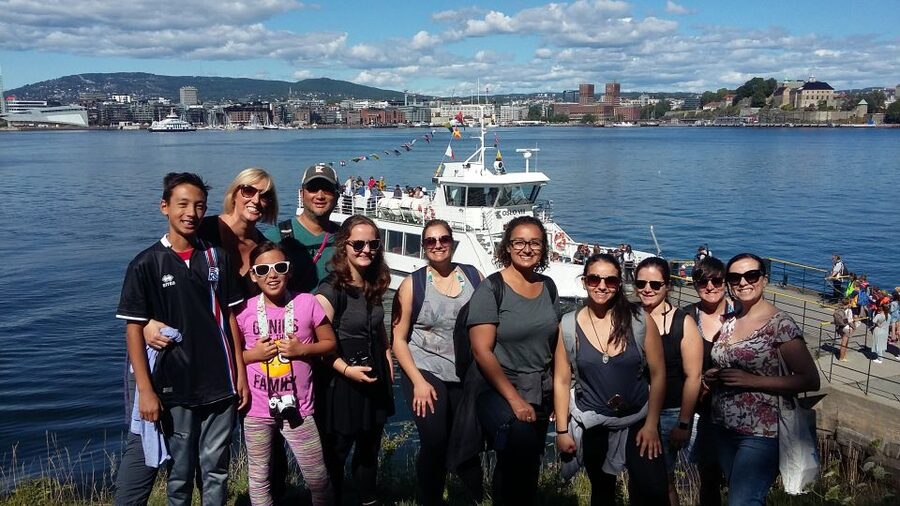
The next ferry ride takes about 10 minutes to Gressholmen. This island has a more unusual story, since it was once home to Oslo’s first airport. The remains of that earlier use sit alongside buildings and sites connected with the island’s military past.
Gressholmen feels less like a historic monument and more like a place where old functions have faded into the surroundings. You walk through the sites while your guide fills in the gaps. That makes this stop valuable for anyone interested in how a city uses its shoreline over time.
The walk here lasts about an hour and includes photo stops and guided sightseeing. The island also has a nature reserve, so the setting is not all ruins and military traces. You get a mix of quiet paths, open views, and reminders of Oslo’s changing relationship with the fjord.
The tradeoff is that the historical remains may interest you more through the explanation than through their physical scale. If you want grand buildings or a major museum, this is not that. If you like overlooked corners and the way ordinary places collect layers of history, Gressholmen works well.
Same base, a completely different kind of day:
- Oslo: 3-Hour Highlights Bike Tour
★ 4.8 · 1,609 reviews - Oslo: 24 or 48-Hour Hop-On Hop-Off Sightseeing Bus Ticket
★ 4.1 · 1,470 reviews - Oslo: Guided Sightseeing Fjord Cruise on Premium Silent Boat
★ 4.7 · 1,390 reviews - Kon-Tiki Museum Entrance Ticket
★ 4.5 · 1,096 reviews
Lindøya: the cabin island with a holiday feel
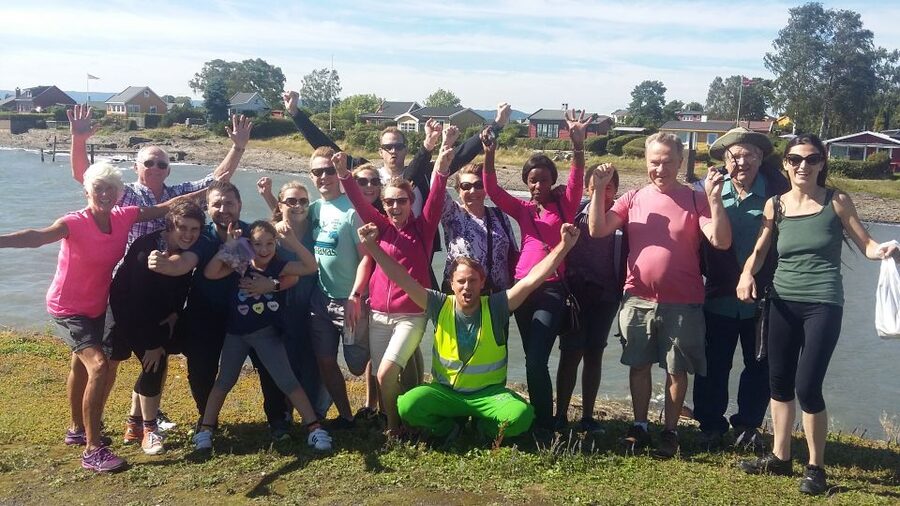
In the warmer months, the third island is generally Lindøya, reached after a ferry ride of about 15 minutes. This is the most charming stop for many people because it shows a very different side of Oslo’s waterfront.
Lindøya is known for traditional wooden cabins, small gardens, and flower-filled paths. The homes sit close together, yet the island still feels calm and spacious because of the surrounding water and hills. The bright cabins and gardens create a strong contrast with the rocky shoreline and wooded paths.
This is not a luxury resort or a private retreat. It is a simple holiday-island setting, and that is precisely the point. You see how people use the fjord for weekends, summer breaks, and time outdoors. The guide also takes you to viewpoints around the island, where you can pause and look back toward the water and nearby shore.
The Lindøya walk lasts about 90 minutes, making it the longest island stop. You should expect a relaxed route with plenty of time for views, but the surface remains uneven. Comfortable shoes are not just a polite suggestion here.
Food, hot drinks, and the practical picnic stop
From April through September, bring your own lunch, water, and perhaps swimwear and a towel if you want to make use of the beaches. A kiosk may be open for snacks or ice cream, but that depends on the weather and opening hours. Do not plan your meal around buying food on the island.
The picnic is usually taken at one of several scenic spots. That gives you a chance to sit, eat, and enjoy the fjord instead of rushing from one sight to the next. A small backpack works better than a shoulder bag, especially on the rougher paths.
From October through March, the tour is shorter and warm drinks are provided by the guide. Coffee, tea, hot chocolate, and ginger biscuits have been offered on cold outings. This small touch matters in winter, when the ferry crossings and exposed viewpoints can feel bitterly cold.
Dress for the forecast, not the calendar. Waterproof clothing and warm layers are sensible, and rain gear is not included. On icy days, some guides have provided crampons, but you should not count on that as standard equipment. Good shoes with solid grip are the safer plan.
Summer and winter are different tours
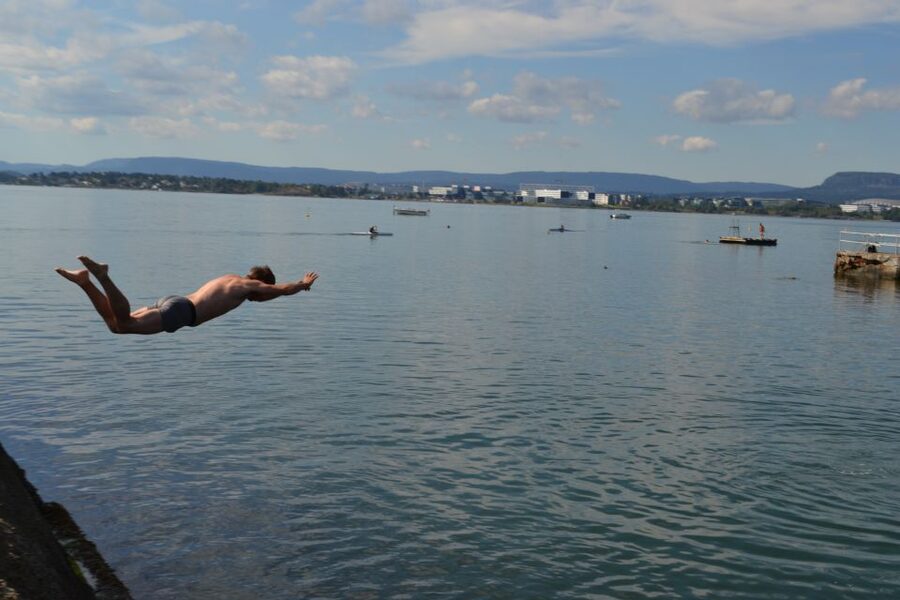
The April to August version lasts about four to four and a half hours and visits three islands. You get the fullest route, the cabin-island atmosphere, and the best chance of colorful gardens, open kiosks, and a picnic outdoors.
The September to March version lasts about three and a half hours and visits two islands. The exact pair can vary, but Hovedøya and Lindøya are common choices. The winter route gives you less island time, but the bare trees, quiet paths, frost, or snow can make the islands feel especially peaceful.
Cold weather is the main concern. Several winter outings have been described as freezing, rainy, or icy, yet the route still works if you dress properly and accept that the weather is part of the setting. A warm drink break helps, but it does not turn this into an indoor activity.
The guides make the difference
This tour is easy to organize on your own if all you want is a ferry ride and a short walk. The guide is the reason to book it as a tour.
The strongest guiding style here is conversational. Guides including Shaf, Patrick, Giovanni, Neil, Jon, Kat, and Carolina have been praised for mixing Oslo history with local stories, food suggestions, and recommendations for walks beyond the city center. Some guides have also added small personal touches, such as Norwegian folk songs or extra care on slippery sections.
You should still expect variation because the guide changes from departure to departure. The common thread is an English-speaking guide who manages the ferry schedule, keeps the group together, and explains the islands as you go.
Group size can vary. One outing had only a single participant, while others had small parties. That means the feel may range from a private-style walk to a sociable group excursion. Either way, stay near the guide during ferry transfers and keep track of the pace.
Who should book this Oslo island tour?

I would choose this for someone spending at least two days in Oslo who wants nature without giving up half a day to reach it. It suits adults, couples, solo visitors, and families with children aged nine and older who can handle a 7-kilometer walk.
It is also a good first activity in Oslo. The ferry gives you a quick orientation to the harbor, and the guides often share ideas for places to eat or walks to take later. You return through the port with views of Akershus Fortress, City Hall, and Aker Brygge, so the tour ends with a useful city perspective.
I would not choose it for a wheelchair user, anyone seeking a flat paved route, or anyone who dislikes walking in uncertain weather. Children under nine are not accepted. If you have a knee problem or limited stamina, the gravel, stones, hills, and ferry timing deserve careful thought, even though guides can adjust the pace to some degree.
The tour costs $69, and cancellation is free up to 24 hours before departure. You can also reserve now and pay later, which helps if your Oslo schedule is still shifting.
Should you book the island-hopping tour?
Book it if you want history, fjord views, and a real walk in one outing. The combination is unusually efficient: medieval abbey ruins, old defenses, airport remnants, cabin gardens, public ferries, and city views all fit into a single half-day.
The best value comes from the explanations and the route planning. Go independently if you only want a quick island visit and already know the ferry system. Choose this tour if you want the islands to make sense, prefer company on the trails, and like hearing local stories along the way.
Bring lunch in summer, wear serious shoes, and leave room in your day for weather. With those basics covered, this is one of the more rewarding ways to see Oslo beyond its central streets.
FAQ
How long does the Oslo island-hopping tour last?
From April through August, it lasts about four to four and a half hours. From September through March, it lasts about three and a half hours.
How many islands does the tour visit?
The warm-season tour visits three islands. The colder-season tour visits two islands.
Which islands are visited in summer?
The summer route includes Hovedøya, Gressholmen, and Lindøya.
What is the meeting point?
Meet at Rådhusbrygge 4, near the public ferry departure area at Platform E beside the Fisketorget restaurant.
How early should I arrive?
Arrive 10 minutes before the tour begins.
Is ferry transport included?
Yes. Public ferry tickets are included in the tour price.
How much walking is involved?
You walk about 7 kilometers, or roughly 10,000 steps, on gravel, dirt paths, and stones.
What should I bring?
Bring comfortable trail shoes. A backpack with water, food, swimwear, and a towel is recommended. From April through September, bring your own lunch.
Are drinks provided?
Warm drinks are provided from October through March. During the warmer months, food and drinks are not included, though a kiosk may be available depending on opening hours and weather.
Is the tour suitable for children or wheelchair users?
The tour is not suitable for children under nine or for wheelchair users. The route includes uneven natural paths and stones.
Just added around Oslo
- Oslo Winter Highlights Bike Tour★ 5.0 · 36 reviews
- 4 hours Best View of the Oslofjord Winter Edition★ 4.0 · 15 reviews
- The Viking Planet Museum – Mini Group (4 adults)★ 4.0 · 16 reviews
- Unknown war. Oslo and Norway during 1940-45★ 5.0 · 74 reviews
- The Ultimate Norwegian Skiing Experience★ 5.0 · 16 reviews
- The Ultimate Study of the Human Form at Vigeland’s Sculpture Park with a Local★ 4.0 · 14 reviews
- The Oslo Beer Adventure★ 4.5 · 11 reviews
- The Essential Oslo Private Walking Tour★ 5.0 · 79 reviews
Oslo Tours, compared.
Scenic Fjord Cruise with Audio Guide Commentary
Read our review →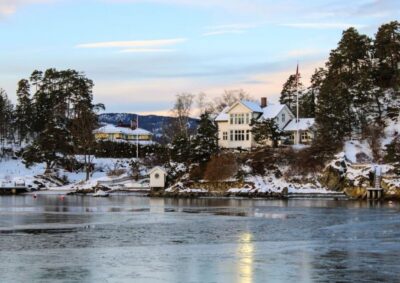

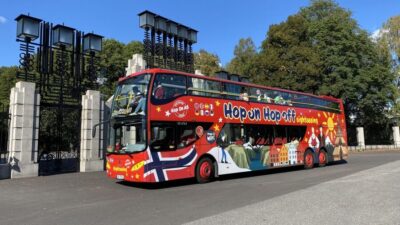
24 or 48-Hour Hop-On Hop-Off Sightseeing Bus Ticket
Read our review →
Guided Sightseeing Fjord Cruise on Premium Silent Boat
Read our review →

Browse the lists this tour appears in