
Reviewed · VIKING EXPERIENCES
Oslo: Viking Planet Entry Ticket
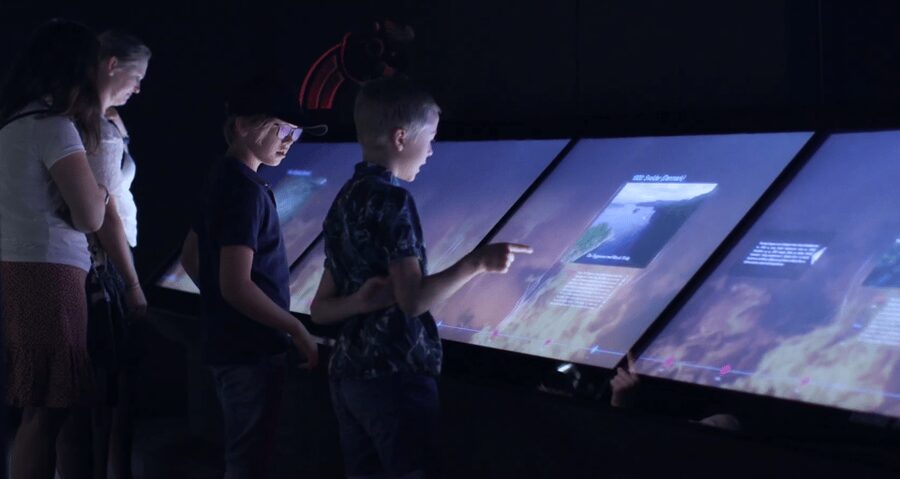
The most striking part of The Viking Planet is its mix of cinema, virtual reality, holograms, and touch-screen exhibits. You can watch a Viking raid from shipboard, inspect digital scans of famous vessels, and meet full-size figures dressed according to their place in Viking society. It is a modern way to approach a subject often buried under dusty displays.
I like the 12-minute VR film, which gives you a clear sense of life aboard a Viking ship, and I like the digital Viking Ship Exhibition, especially since Oslo’s original Viking Ship Museum has been closed for rebuilding. The main drawback is simple: there is little physical archaeology here, so readers hoping to stand beside original ships may find the technology-heavy format less satisfying.
Key points to know before you go
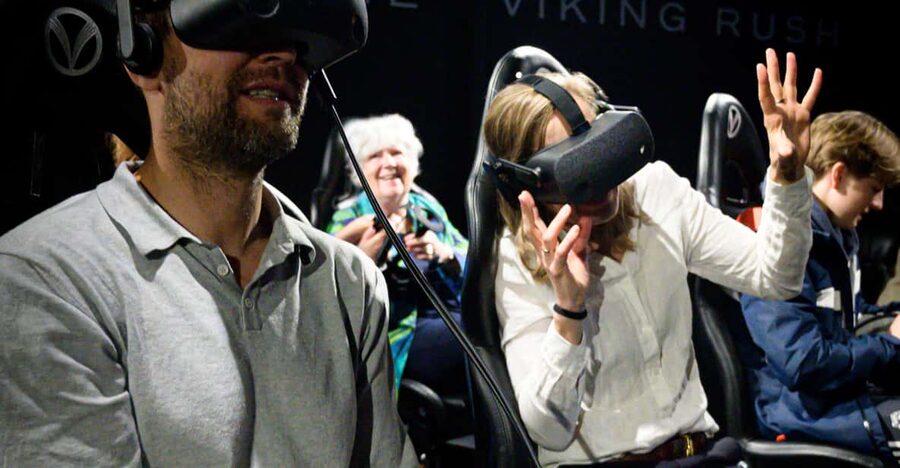
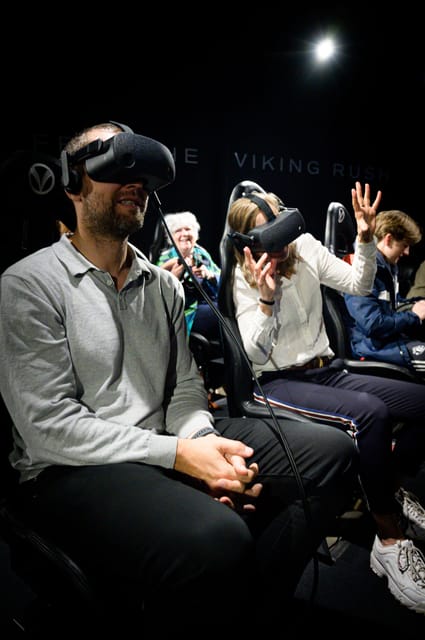
- The VR film runs every 20 minutes, and The Ambush takes you into a Viking attack on Norway’s west coast.
- The Helmet uses a 270-degree screen to pair Viking culture with dramatic natural scenery and harsh weather.
- The digital ship exhibit includes Oseberg and Gokstad, with 3D objects you can inspect closely.
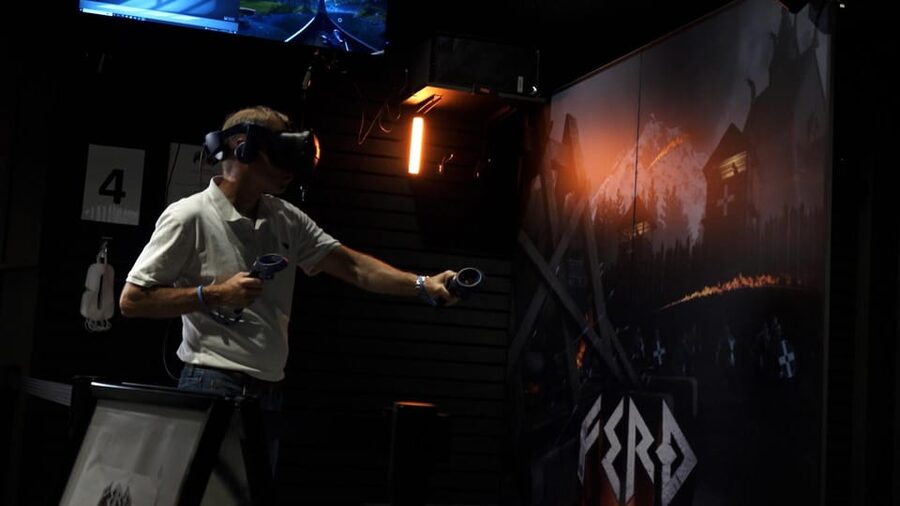
- FERÐ costs extra unless you buy the Combination Ticket, and the game is intended for ages 12 and older.
- You can use the experience in 12 languages, with an app guide and Wi-Fi included.
- Plan around two hours, though you can spend longer if you read every display and try the interactive stations.
A modern Viking museum in central Oslo
The Viking Planet Oslo offers a different kind of museum visit. You will not walk through long rows of original weapons, tools, and ship fragments. Instead, you move between digital films, virtual reality, holograms, interactive timelines, and large screens.
That distinction matters when you decide if the ticket is right for you. I see this as an introduction to the Viking Age rather than a replacement for a traditional archaeological museum. It gives you the broad picture quickly, explains Viking life in plain terms, and makes the subject approachable for children and first-time visitors.
The ticket costs about $30 per person and covers the main attractions. At that price, the value depends on how much you enjoy digital presentation. The museum works well for a two-hour visit, and several people have stayed close to four hours by reading the displays carefully and trying each station.
You check in at the reception. The venue is wheelchair accessible, and the app guide, Wi-Fi, and listed exhibits are included with the standard entry ticket. The Combination Ticket adds FERÐ, the Viking VR game.
More Viking Experiences in Oslo:
- The Viking Planet Museum Ticket
★ 4.0 · 197 reviews - Oslo Viking Quest: Exploration Game and Tour
★ 4.5 · 17 reviews - The Viking Planet Museum – Mini Group (4 adults)
★ 4.0 · 16 reviews
Boarding a Viking ship in The Ambush
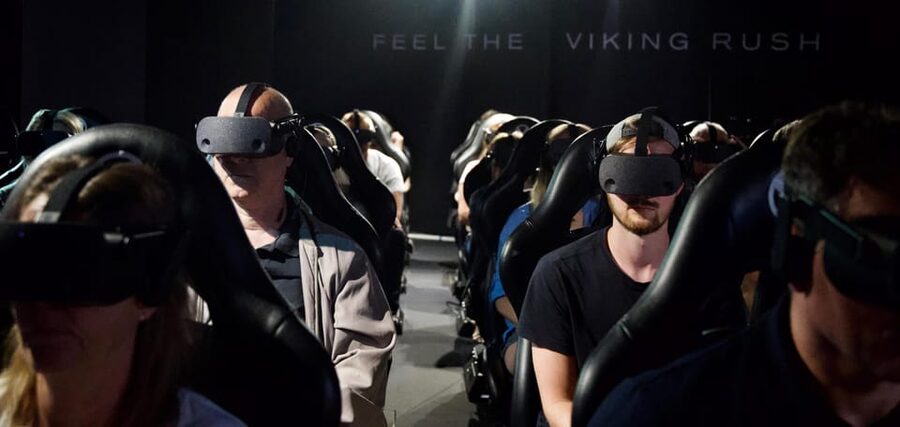
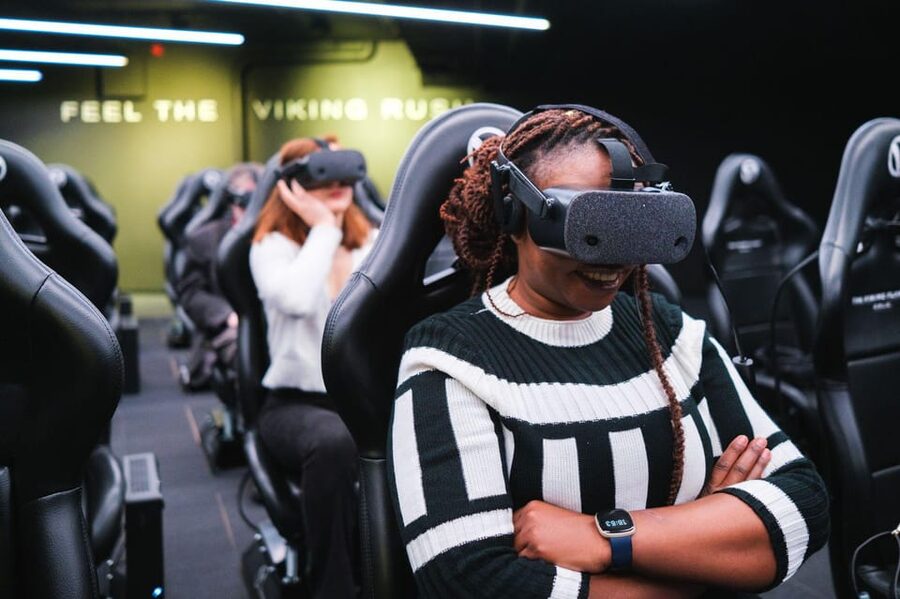
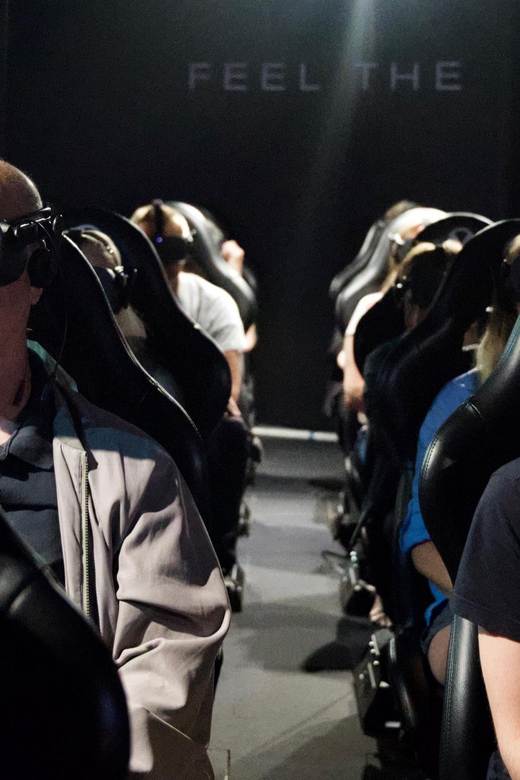
Begin with The Ambush, a 12-minute VR film created with Ridley Scott Creative Group and Dimension Studio. Screenings begin every 20 minutes, so you may need to wait briefly for the next showing.
The film places you on a Viking ship during an attack on the west coast of Norway. The appeal is physical rather than academic. You are not simply reading about raids and seafaring. The headset and moving viewpoint give you the feeling of taking part in the action.
The short running time works well for families and for anyone with limited patience for headsets. It also means the film leaves you wanting more. One useful tip is to treat it as one part of the visit, not the whole museum. The history displays before or after the film add the facts that the fast-moving action cannot cover.
Some people prefer audio-led exhibits, and this venue includes plenty of reading across its other sections. If you want every detail, give yourself time to read. If you are visiting with children, use the film as an anchor and let them choose the interactive parts afterward.
Feeling the weather in The Helmet
The Helmet is the museum’s 270-degree cinema experience. It combines dramatic scenery with the difficult conditions faced by people living in the Viking Age.
The wide screen fills your view without requiring a headset. That makes this section easy to share with family members, and it is a good break between the more individual VR and screen stations. The movie begins every 15 minutes, so you can fit it into your visit without much planning.
I like the way this section gives context to Viking life. The period is often reduced to swords and raids, but climate, travel, distance, and hard work shaped daily life just as much. The broad screen helps you think about the setting behind the stories.
The movie is brief, so do not expect a long documentary. It works best as a visual introduction before you move to the timeline, mythology, and shipbuilding displays.
Meeting Viking people through life-sized holograms
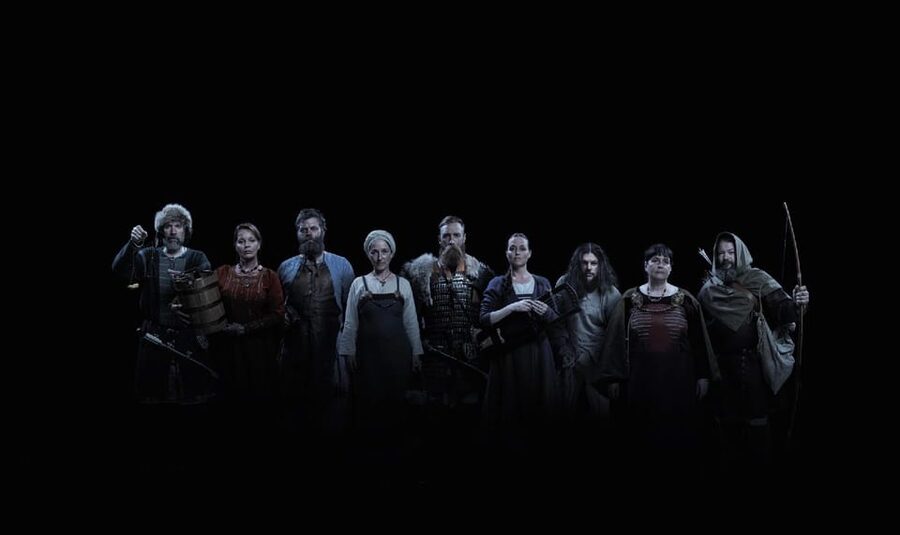
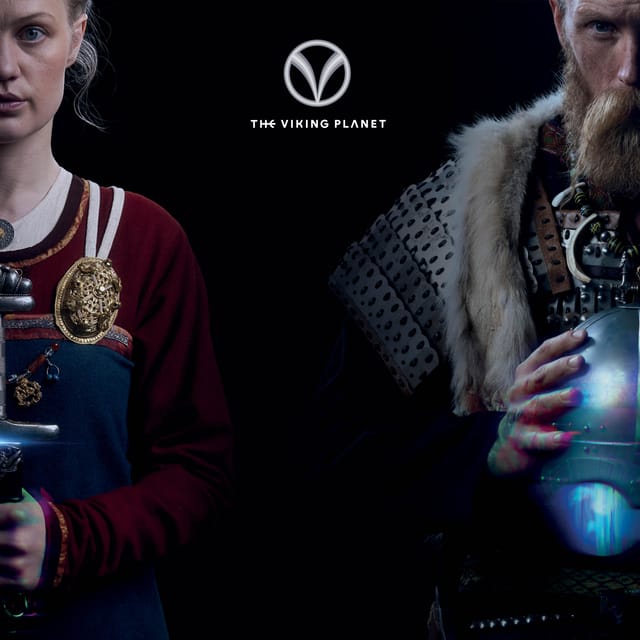
The Hologram Theatre presents life-sized figures from the Viking Age. Their armor and clothing reflect different social positions, based on archaeological evidence.
This is one of the more useful displays for correcting popular images of Vikings. Clothing, equipment, and status become visible in a way that a paragraph of text cannot quite manage. You can consider how a person’s appearance signaled their place in society.
The holograms are also a strong choice for younger visitors. A full-size figure is easier to understand than a small artifact behind glass, especially when the museum is explaining social roles or military equipment.
Still, keep your expectations in check. This is a reconstruction, not an original person or object. The value comes from the way the display connects archaeological evidence with a human-scale presentation.
A few more Oslo days to weigh up
- Oslo: Scenic Fjord Cruise with Audio Guide Commentary
★ 4.5 · 5,375 reviews - Oslo Nature Walks: Island Hopping Tour
★ 4.8 · 2,713 reviews - Oslo: 100% Electric Oslofjord Sightseeing Cruise
★ 4.4 · 2,041 reviews - Oslo: Fjord Evening Cruise with Shrimp Buffet
★ 4.5 · 1,956 reviews
Rebuilding the old Viking Ship Museum in digital form
The Viking Ship Exhibition is especially useful during Oslo’s museum transition. It offers a digital walk-through of the famous Viking Ship Museum, which is scheduled to reopen as the Museum of the Viking Age in 2026.
You can examine digital versions of the Oseberg and Gokstad ships and explore 3D files of important objects from the collection. The controls let you zoom in and inspect details that might be difficult to see from a normal viewing platform.
This is a smart use of technology. You get a sense of the old museum’s layout and can study the ships from several angles, even while the original building is unavailable. For a first visit to Oslo, it gives you a useful introduction to the vessels that form the heart of Norway’s Viking story.
The tradeoff is texture and scale. A digital ship cannot replace the feeling of standing near an ancient wooden hull. The venue itself also has little physical material to balance the screen-based displays. One four-star assessment made this point clearly: the digital program was strong, but something physical was missing.
Getting close to objects in the 3D Gallery
The 3D Gallery focuses on selected Viking Age objects. You can examine a longship, a nasal helmet, and the Dannevirke, a defensive earthwork associated with Denmark.
The strength of this gallery is control. Instead of accepting one fixed view, you can rotate and enlarge objects. That is useful when you want to see construction details or understand the shape of an artifact.
The gallery also helps separate fact from modern Viking imagery. The familiar winged helmet is a myth, not a normal Viking object. A nasal helmet, by contrast, has a more practical form that fits the archaeological evidence shown here.
This part suits adults who enjoy close inspection, but children may move through it quickly. Pair it with the selfie station or VR film if you are visiting as a family.
Norvegr and the Viking timeline
Norvegr is a documentary about Early Medieval Scandinavian culture and the way Viking stories continue in modern entertainment. It starts every 15 minutes.
This is the section to use if you want cultural context instead of special effects. It connects storytelling, identity, and the ways modern films and television have shaped the public image of Vikings.
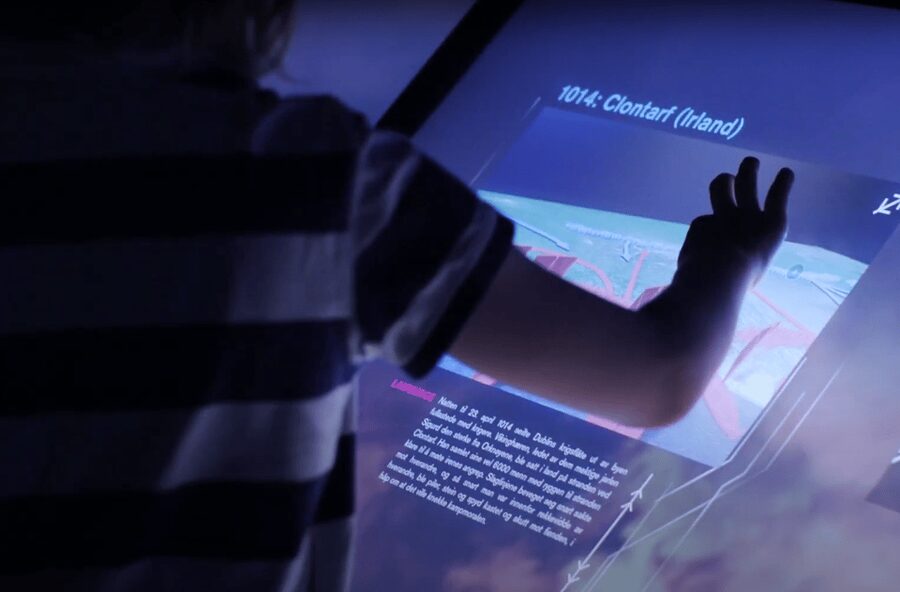
The timeline lets you set your own pace. You can read about notable events and famous Vikings, watch short films, and handle interactive 3D artifacts. It is a good place to organize what you have seen so far.
The amount of text is the main consideration. One visitor found the information very complete but wished more of it had been presented through audio. If you read every panel, two hours may feel tight. If you skim and focus on the sections that interest you, the timing works comfortably.
Shipbuilding, mythology, and Viking gender roles
The Viking Windows section explains how ships were built and introduces Old Norse mythology. It also addresses gender roles during the Viking Age.
These topics add balance to the raid-and-war image. Shipbuilding shows the practical skill behind Viking travel, trade, and warfare. Mythology explains the stories that shaped the society’s view of gods, fate, courage, and death.
The gender display is useful because it encourages you to think beyond a single Viking stereotype. Viking society was not one uniform culture, and social roles could be more complicated than modern popular culture suggests.
You should expect an educational exhibit rather than a full academic course. The museum gives you starting points, then leaves you to connect the subjects through the timeline and digital objects.
Taking a Viking-themed selfie
The selfie station is a lighter part of the visit, but it earns its place. You can choose backgrounds such as a Viking ship, the Northern Lights, or a Nordic scene, then create a souvenir image.
Children tend to enjoy this section, and adults may find it a welcome change after the reading-heavy displays. It also gives families something to do together without another headset or screen to operate.
The station is not a substitute for the historical exhibits, of course. Think of it as a playful finish or a way to keep younger visitors interested while others read.
Should you add the FERÐ VR game?
FERÐ is a separate Viking VR game. You defend your village, seek revenge, and attack rival Vikings. It is available with the Combination Ticket or through a separate gaming ticket, and it is suitable for ages 12 and older.
The game received strong praise for its action and is likely the right add-on for anyone who enjoys game-based attractions. It gives you a more active role than the films and gallery screens.
I would not automatically add it for every visitor. The standard ticket already includes plenty to see, and the game had occasional technical problems for at least one player. That person still found the museum itself good value but felt less certain about the extra cost of the game.
Choose FERÐ if you specifically want combat and a longer VR session. Skip it if your main goal is Viking history, ships, mythology, and museum interpretation.
How long should you allow?
The stated duration is two hours, and that is a sensible target for the standard ticket. It gives you time for the major films, the holograms, the digital ships, the timeline, and a few interactive stops.
You may need to adjust your pace around the scheduled screenings. The Ambush runs every 20 minutes, while The Helmet and Norvegr begin every 15 minutes. Check the next start time when you arrive, then explore nearby displays while you wait.
If you read everything carefully, take photographs, and use the interactive stations, you could stay much longer. One visitor spent almost four hours and still found the visit enjoyable. That is possible because the museum lets you set your own pace rather than moving you through one fixed tour.
Who will enjoy The Viking Planet most?
I would recommend it to families, first-time visitors to Oslo, and anyone who wants a clear introduction to Viking culture. Children can use the VR film, selfie station, and interactive screens, while adults can spend more time with shipbuilding, archaeology, and social history.
It also makes sense while the Viking Ship Museum is closed. The digital walk-through lets you see the Oseberg and Gokstad ships in a meaningful way, even though you are not standing beside the original vessels.
Viking enthusiasts may enjoy the presentation but should know what they are buying. The museum is not a large collection of original artifacts. It is a technology-based interpretation with strong visual appeal and a broad range of topics.
The 12-language availability helps mixed-language groups, and the app guide gives you another way to follow the material. If you prefer audio to reading, ask yourself how much screen text you want to handle before buying.
Practical value and final verdict
At $30 per person, the standard ticket is fairly priced if you use the full museum. The VR film, 270-degree cinema, hologram theatre, digital ship exhibition, 3D Gallery, documentary, timeline, and interactive windows give you enough material for a substantial two-hour stop.
The ticket is less compelling if you want authentic objects above all else. The lack of physical ships and artifacts is the one clear weakness, and the venue cannot provide the same feeling as a traditional archaeological museum.
The Viking Planet is a good choice for an accessible, family-friendly introduction to Norway’s Viking past, especially while the old ship museum is closed. Buy the standard ticket if you want history and visual displays. Choose the Combination Ticket only if the FERÐ game is a major reason for your visit. Either way, allow at least two hours and plan around the timed films.
FAQ
Where is The Viking Planet located?
The experience is located in Oslo Municipality, Norway. Check in at the reception when you arrive.
How much does entry cost?
The listed price is $30 per person for entry.
How long does the visit take?
The suggested duration is two hours. You can stay longer if you read the displays carefully and use the interactive stations.
Is FERÐ included with the standard entry ticket?
No. FERÐ is not included unless you select the Combination Ticket. It is also available with a separate gaming ticket.
What age is FERÐ suitable for?
FERÐ is suitable for ages 12 and older.
How often does The Ambush VR film run?
The 12-minute film The Ambush screens every 20 minutes.
How often do The Helmet and Norvegr begin?
The Helmet and Norvegr start every 15 minutes.
Is The Viking Planet wheelchair accessible?
Yes. The activity is wheelchair accessible.
Just added around Oslo
- Oslo Winter Highlights Bike Tour★ 5.0 · 36 reviews
- 4 hours Best View of the Oslofjord Winter Edition★ 4.0 · 15 reviews
- The Viking Planet Museum – Mini Group (4 adults)★ 4.0 · 16 reviews
- Unknown war. Oslo and Norway during 1940-45★ 5.0 · 74 reviews
- The Ultimate Norwegian Skiing Experience★ 5.0 · 16 reviews
- The Ultimate Study of the Human Form at Vigeland’s Sculpture Park with a Local★ 4.0 · 14 reviews
- The Oslo Beer Adventure★ 4.5 · 11 reviews
- The Essential Oslo Private Walking Tour★ 5.0 · 79 reviews
Viking Experiences, compared.
Viking Village, Nærøyfjord Cruise & Flåm Railway
Read our review →
Guided tour – Viking Village, Nærøyfjord Cruise and Flåm Railway
Read our review →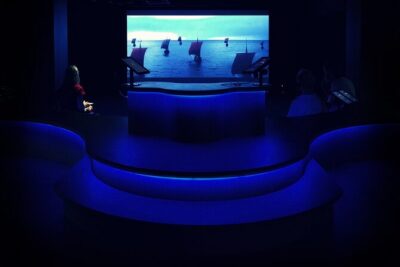
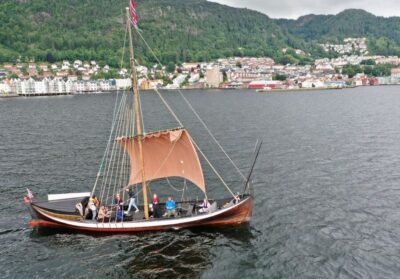
Viking Ship Sailing Experience and Sightseeing Trip
Read our review →
Viking Village, Nærøyfjorden Cruise and Flåm Railway
Read our review →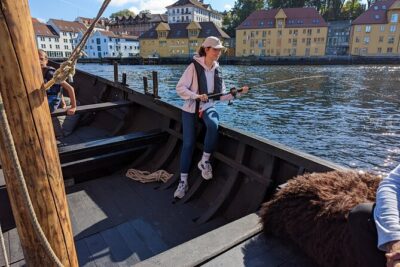
Bergen Fjord Experience Aboard Viking-style Ship
Read our review →
Guided E-Bike Tour in Haugesund: city, vikings, Rising Tides
Read our review →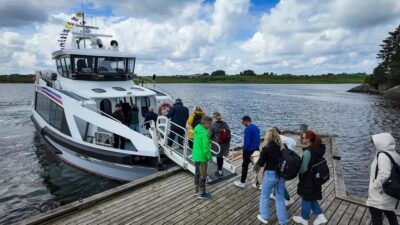
Haugesund Viking Cruise – The Viking Farm and Viking Planet
Read our review →Browse the lists this tour appears in