
Reviewed · OSLO TOURS
Myths and Legends of Oslo
Oslo’s best stories are not all found in museums. This private walk links Norse gods, royal power, old execution grounds, Christiania’s founding, and the legends of Akershus Fortress. It is a history tour with a darker edge, including true crime and the black metal church burnings mentioned by guide Anastasiia.
I like the private format, which lets you ask questions and set the pace with only your own group of up to eight. I also like the range of subjects: guides such as Anastasiia, Irina, and Alla have brought in modern Oslo life, politics, religion, art, and local recommendations, not just dates and names.
The main drawback is time. Two hours is enough for a strong introduction, but not enough to explore every stop in detail. Also, the information about hotel pickup conflicts with the stated meeting instructions, so confirm this point before booking.
Key points to know before you book
- Norse myths meet modern Oslo: The opening stories connect gods, love, war, wisdom, and visions of the future with Norwegian culture today.
- A private group keeps the walk personal: Only your party participates, with space for questions and a flexible conversation.
- Akershus Fortress gets the most time: Expect about 40 minutes for medieval power, military history, prison stories, and unexplained legends.
- The tour has a darker side: You may hear about an old execution square, black metal church burnings, and other unsettling chapters.
- The price works best for a group: At $311.45 for up to eight people, the per-person cost drops sharply when shared.
- Plan for outdoor walking: The tour runs in all weather, requires moderate fitness, and begins at 10:00 a.m. at Oslo City Hall.
Oslo City Hall is the right place to begin
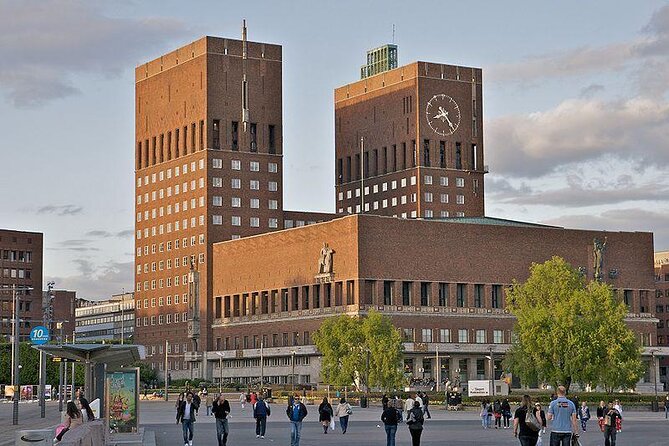
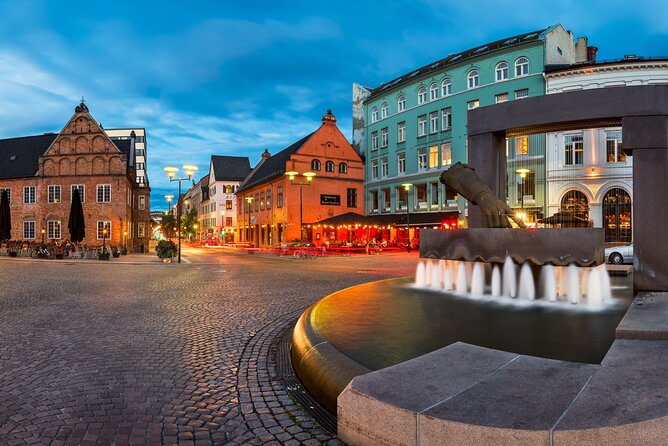
The walk begins at Fridtjof Nansens Plass, beside Oslo City Hall and the Two Swans Fountain. This is a practical meeting point near public transportation, and the open square gives you an easy landmark for finding your guide at 10:00 a.m.
The first 20 minutes focus on gods and legends. You can expect stories about wisdom and love, war and hate, and grand ideas about the future. That broad opening matters because Norse mythology here is treated as more than a collection of old tales. It gives you a way to think about Norwegian symbols and cultural habits before the walk turns to streets, buildings, and political history.
I like this start because it gives the tour a clear theme. Instead of beginning with a plain list of monuments, your guide sets up the ideas that will echo through the rest of the morning. The stories can also help you make sense of later references to Norwegian identity and Oslo’s symbols.
Still, this is not a mythology lecture with a long stop at one exhibit. You remain outdoors, and the tour moves on after about 20 minutes. If you want a detailed account of every Norse god or saga, you will need more time elsewhere.
A few more Oslo days to weigh up
- Oslo: Scenic Fjord Cruise with Audio Guide Commentary
★ 4.5 · 5,375 reviews - Oslo Nature Walks: Island Hopping Tour
★ 4.8 · 2,713 reviews - Oslo: 100% Electric Oslofjord Sightseeing Cruise
★ 4.4 · 2,041 reviews
Rådhusplassen connects symbols with the city
From the City Hall area, the walk continues to Rådhusplassen for roughly 10 minutes. This stop focuses on Norwegian and Oslo symbols and the legends attached to them.
The short time here tells you what to expect: this is a story stop, not an extended architectural visit. Your guide explains how a city presents itself and how legends help give public places meaning. That makes the stop useful early in your Oslo visit, since it can sharpen your eye for symbols you may see again around the capital.
I would treat this section as a bridge between myth and civic history. The subject is less about a single building and more about how a nation and its capital choose to represent themselves. It also keeps the walk moving, which is helpful during a two-hour tour.
The trade-off is obvious. Ten minutes does not allow much room for a long discussion or quiet examination of the square. If you prefer stopping often for photographs, you may feel pressed by the schedule.
Engebret Cafe recalls Christiania
The next stop is Engebret Cafe, where the tour spends about 15 minutes discussing the period when the Norwegian capital was moved and took the name Christiania in the 17th century.
This is one of the more useful historical turns in the walk. Oslo’s past is not limited to medieval castles and Norse legends. The city also changed location, name, and political role. A stop connected with the Christiania period helps you see Oslo as a city shaped by decisions and upheaval, not just a place that grew naturally over time.
You will likely get the most from this section if you enjoy historical cause and effect. Ask your guide how the capital’s move affected the city’s identity and layout. The private format is valuable here because you can pause over a point that catches your interest rather than simply listening to a fixed script.
The stop is presented as an exterior story point, and food and drinks are not included. You should not plan on a cafe break as part of the tour. If you want to eat or have coffee, make that a separate plan before or after the walk.
Kvadraturen brings the old street plan into view
The tour then moves through Kvadraturen for around 15 minutes. This neighborhood adds a street-level setting to the larger story of Christiania and Oslo’s development.
A short neighborhood walk can do something a museum cannot: it lets you connect historical decisions to the shape of the city around you. Your guide’s stories should help you read the area as more than a route between major sights. The setting becomes evidence of how Oslo developed and how earlier periods still affect the present city.
I especially like this stop for people who want context, not just famous sights. You get a sense of how the capital’s history is carried by ordinary streets and urban planning. It is also a useful counterweight to the grander legends introduced at City Hall.
Again, the schedule is tight. Fifteen minutes gives you an introduction, not a full neighborhood tour. You may want to return to Kvadraturen on your own if the area catches your attention.
Same base, a completely different kind of day:
- Oslo: Fjord Evening Cruise with Shrimp Buffet
★ 4.5 · 1,956 reviews - Oslo: 3-Hour Highlights Bike Tour
★ 4.8 · 1,609 reviews - Oslo: 24 or 48-Hour Hop-On Hop-Off Sightseeing Bus Ticket
★ 4.1 · 1,470 reviews - Oslo: Guided Sightseeing Fjord Cruise on Premium Silent Boat
★ 4.7 · 1,390 reviews
Akershus Fortress is the main event
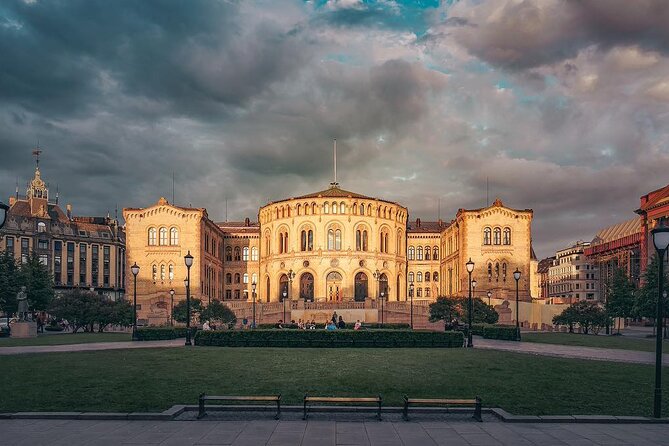
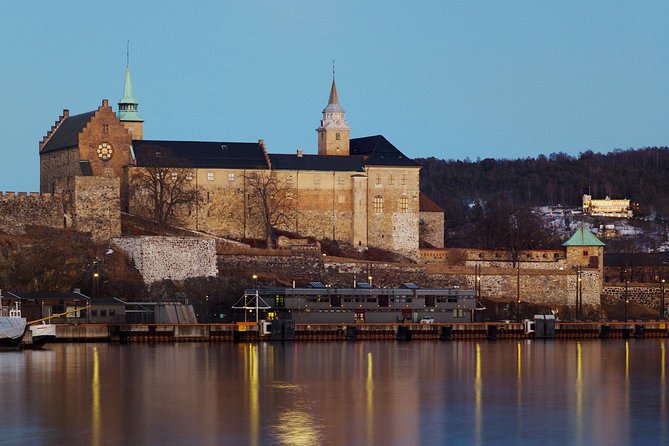
The final and longest stop is Akershus Fortress, with about 40 minutes set aside for the site. The medieval castle overlooks the Oslo Fjord and was built in the late 1200s to protect the city. Over time, it served as a royal residence, military stronghold, and prison.
This is where the tour’s history and legend come together most clearly. You hear about real people and events, then move into myths and unexplained happenings passed down through generations. That mixture gives the fortress a moodier character than a standard sightseeing stop.
I like the balance between documented history and local legend. A good guide can tell you what belongs to the historical record while also explaining why certain stories survived. The setting does much of the work: a fortress built for defense, later used by rulers and the military, naturally invites tales of danger, confinement, and strange events.
You should also expect some darker material. One guide, Anastasiia, included an old town execution square and the black metal church burnings in a wider discussion of Norwegian culture. Those subjects will appeal to you if you enjoy true crime, subcultures, or the uneasy parts of national history. They may not suit young children or anyone looking for a light, purely scenic walk.
The 40-minute allocation is generous compared with the other stops, but it is still not a complete fortress visit. Admission is listed as free for the tour, and the walk does not include food, drinks, or transportation to attractions. Ask in advance if you need specific access inside buildings or want extra time at the fortress.
Three guides, three useful ways to hear Oslo
The guide can shape this experience considerably. Anastasiia has been described through her work on the tour as strong on history and daily life in Oslo, with useful answers to questions and activity suggestions. Her approach also includes the city’s darker stories and the way Norse mythology influences Norwegian culture today.
Irina has accommodated a requested change in start time and met her group at its hotel. The stated start time is 10:00 a.m., so any change should be arranged before the tour rather than assumed. An early morning walk can be pleasant because Oslo’s streets are often quiet at that hour.
Alla has taken a broad approach, placing sites in political, cultural, artistic, religious, and historical context. That style suits you if you like to think about how different forces shape a city. It also explains why some people may find two hours too short for the amount of material covered.
The common thread is conversation. Since this is a private tour, you can ask about modern Oslo, request recommendations, or spend more time on mythology, true crime, politics, or architecture. I would send your interests when booking so the guide can aim the discussion in a useful direction.
Is $311.45 a fair price?
The full price is $311.45 per group of up to eight people. For a full group, that works out to about $38.93 per person. For two people, it is about $155.73 each, so the value changes greatly depending on your party size.
I see the price as reasonable for a full family or friend group that wants a private guide and a focused introduction to Oslo. You are paying for exclusivity, a professional English-speaking guide, and the ability to ask questions throughout the walk. The price also includes taxes, fees, handling charges, and the private tour itself.
For a couple, the cost is much harder to justify unless you place a high value on private guiding. A small group may prefer a less expensive shared walk, if available, or spend the money on a longer paid attraction. The strongest value comes when six to eight people share the fee.
The tour lasts about two hours, though the listed stops add up to roughly 100 minutes before walking time. That leaves a little room for movement between locations and conversation. It is a compact orientation, not a full-day historical program.
Practical details that affect your morning
The meeting point is Fridtjof Nansens plass 2, 0160 Oslo, at City Hall. The end point is back at the meeting point. The experience is offered in English and uses a mobile ticket.
The information provided gives two different messages about hotel transfers. The highlights mention hotel pickup and drop-off, while the included and meeting-point details say hotel pickup and drop-off are not included and direct you to City Hall. I would treat City Hall as the confirmed meeting point and ask Nordiva Tours AS to clarify any pickup request before you pay.
Wear shoes suitable for city walking and dress for the weather. The tour operates in all weather, so rain, wind, or cold will not automatically cancel the walk. You need moderate physical fitness, and the route involves outdoor walking between several stops.
Service animals are allowed, and the route is near public transportation. Food and drinks are not included. Since there is no scheduled meal break, eat beforehand or plan refreshments after the tour.
Free cancellation is available if you cancel at least 24 hours before the local start time. Cancellations or changes made less than 24 hours before the start are not accepted for a refund.
Who will enjoy this private Oslo walk?
I would recommend it to you if you like history with a sharp edge. Norse mythology, old executions, royal power, prison stories, unexplained events, and black metal culture create a more unusual mix than a standard city highlights walk.
It also suits people who want to ask questions. The guides have covered local life as well as history, and the private format gives you room to request recommendations or spend longer on a subject that interests you.
You may want something else if you prefer museums, interiors, or a slow architectural tour. Several stops last only 10 or 15 minutes, and the two-hour limit means the guide must keep moving. Families should also consider the darker themes before bringing children.
Should you book Myths and Legends of Oslo?
Book it if you want a private orientation with stories that reach beyond the usual postcard sights. The best reasons are the personal format, the wide range of subjects, and the 40-minute focus on Akershus Fortress.
I would book early, especially since this experience is often reserved well ahead of the date. If you are a group of six to eight, the cost makes much more sense. If you are a couple, book only if a private guide and unusual historical material matter more to you than keeping the price low.
Before confirming, ask about hotel pickup because the available details conflict. Then arrive ready to walk outdoors, listen closely, and ask questions. You will get the most from this tour by treating it as a thoughtful introduction to Oslo, not a complete account of the city.
FAQ
Where does the tour start?
The tour starts at Fridtjof Nansens plass 2, 0160 Oslo, beside Oslo City Hall and the Two Swans Fountain.
What time does the tour begin?
The stated start time is 10:00 a.m.
How long does the tour last?
The tour lasts approximately two hours.
Is the tour private?
Yes. Only your group participates, and the group can include up to eight people.
What language is offered?
The tour is offered in English.
Is hotel pickup included?
The details conflict. One part mentions hotel pickup and drop-off, while the included items and meeting instructions say they are not included. Confirm this directly with Nordiva Tours AS before booking.
Is food or drink included?
No. Food and drinks are not included.
What happens if it rains?
The tour operates in all weather conditions, so you should dress appropriately for Oslo’s outdoor conditions.
What is the cancellation policy?
You can cancel for a full refund up to 24 hours before the experience start time. Cancellations or changes made less than 24 hours before the start are not accepted for a refund.
Just added around Oslo
- Oslo Winter Highlights Bike Tour★ 5.0 · 36 reviews
- 4 hours Best View of the Oslofjord Winter Edition★ 4.0 · 15 reviews
- The Viking Planet Museum – Mini Group (4 adults)★ 4.0 · 16 reviews
- Unknown war. Oslo and Norway during 1940-45★ 5.0 · 74 reviews
- The Ultimate Norwegian Skiing Experience★ 5.0 · 16 reviews
- The Ultimate Study of the Human Form at Vigeland’s Sculpture Park with a Local★ 4.0 · 14 reviews
- The Oslo Beer Adventure★ 4.5 · 11 reviews
- The Essential Oslo Private Walking Tour★ 5.0 · 79 reviews
Oslo Tours, compared.

Scenic Fjord Cruise with Audio Guide Commentary
Read our review →

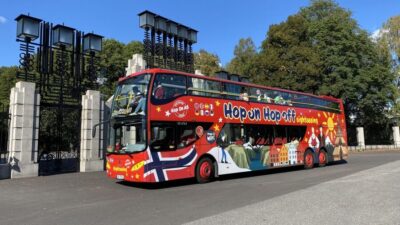
24 or 48-Hour Hop-On Hop-Off Sightseeing Bus Ticket
Read our review →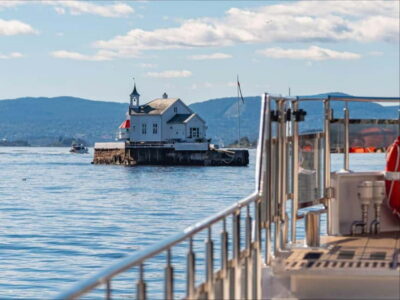
Guided Sightseeing Fjord Cruise on Premium Silent Boat
Read our review →
Browse the lists this tour appears in