
Reviewed · WALKING TOURS
Oslo: Best of Oslo Walking Tour
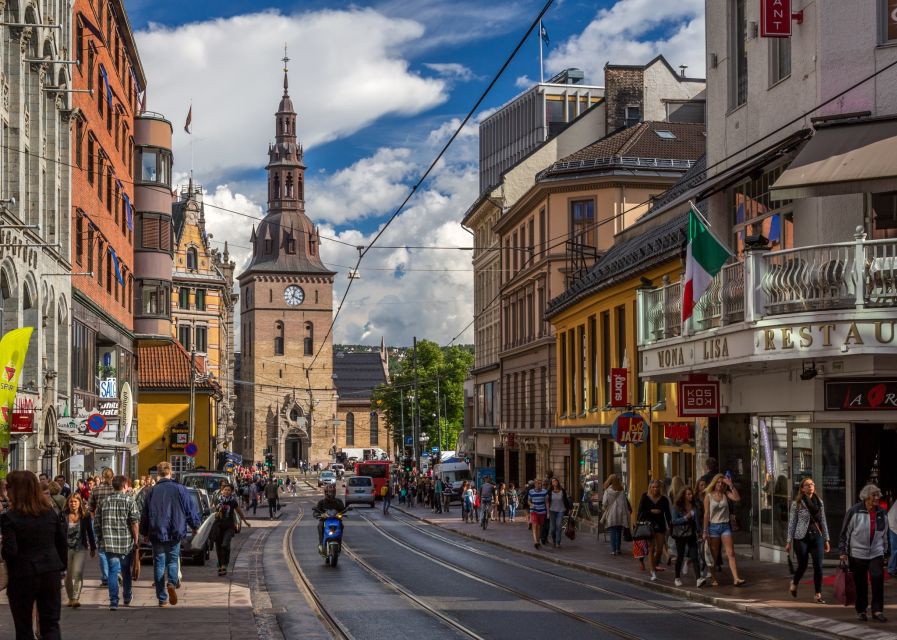
Oslo’s story comes into focus when you walk it. This tour links the modern Opera House and waterfront with Christiania, the old city center, so you can see how Norway’s capital moved, changed names, and grew toward the fjord. The city’s past and present share the same route.
I like the clear two-hour format and the guides’ practical storytelling. Guides including Anastasia, Olaf, Amelia, Oliver, and Judit have been praised for explaining politics, culture, local life, cafés, and museums without turning the walk into a lecture. I also like the included audio app, which gives you a way to keep exploring after the guide leaves.
The main consideration is that this is a sightseeing walk, not an attraction tour. You pass many major sites but do not enter them, and the price of $38 is fair only if you value a strong introduction and personal guidance. Snow, rain, and slippery winter pavements can also make the route harder for anyone with limited mobility.
Key points to know before booking
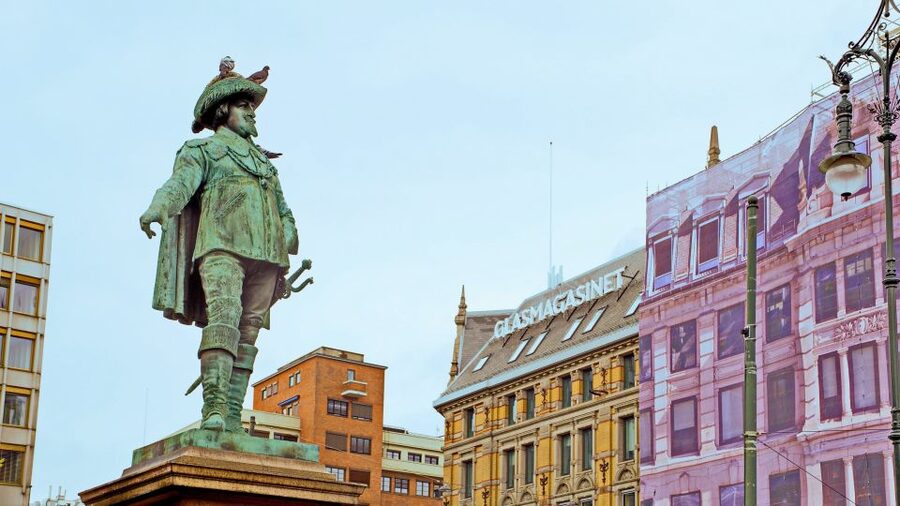
- Two hours, many central sights: The route covers Parliament, Karl Johan Street, the Cathedral, Opera House, Christiania Torv, Akershus Fortress, City Hall, and the waterfront.
- A useful first-day tour: You get a working map of central Oslo and ideas for museums, restaurants, cafés, and later walks.
- History with human detail: Guides explain the Nobel Peace Award, Oslo’s former name of Christiania, the Tiger City nickname, and changes in Norwegian society.
- English or German commentary: Choose your language when booking, then arrive about five minutes early at the correct meeting place.
- No attraction admissions: The tour passes landmarks rather than taking you inside them, so budget separately for any museums or paid sights.
- An audio route comes afterward: Scan the voucher’s QR code to access the sightseeing app and continue exploring independently.
Why this two-hour route works so well
This is best understood as an orientation walk. You are not spending two hours inside one grand monument. Instead, you move through Oslo’s central districts and connect the places that define the city.
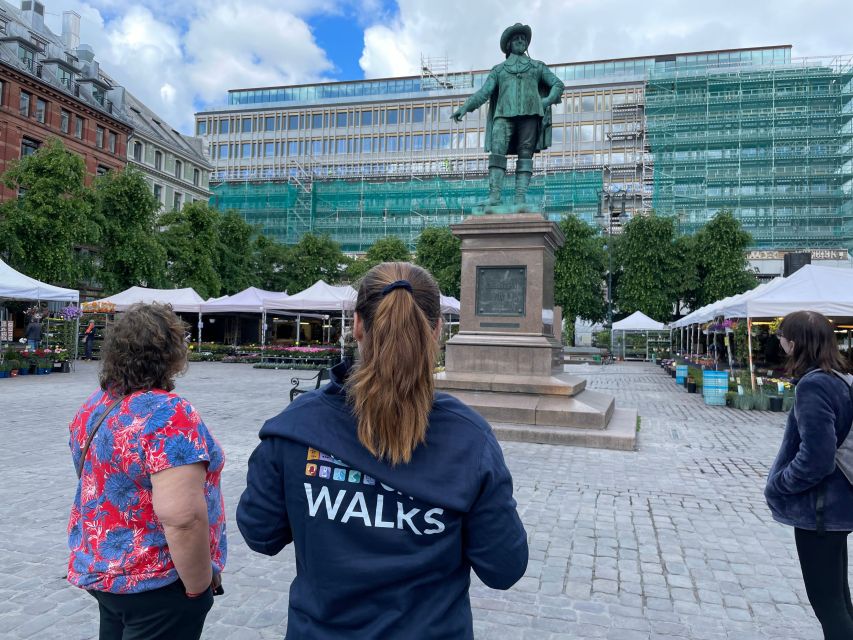
The route begins at either Universitetsplassen near the Nobel Peace Center or at the Nobel Peace Center itself, depending on your language and booking. The English meeting point is near the statue of P.A. Munch by the Faculty of Law entrance at University Aula, Karl Johan Street 47. The German tour begins at the Nobel Peace Center at Brynjulf Bulls plass 1.
That difference matters. Oslo has several prominent public buildings and open squares, so do not rely on a vague meeting description. Check the language and meeting point on your confirmation, then arrive five minutes early. The walk ends near Universitetsplassen and the Nobel Peace Center, giving you a central finish for lunch, museums, or another walk.
The group moves on foot and uses live commentary in English or German. The route is mostly an overview, with landmarks passed from the outside. That makes the tour efficient, but it also means you should not book it expecting reserved entry, museum time, or a long stop at every building.
More Walking Tours in Oslo
- Oslo: Guided Walking Tour of Central Oslo
★ 4.7 · 438 reviews - Oslo: Historic Myths & Legends Evening Walking Tour
★ 4.8 · 408 reviews - Taste of Oslo Walking Tour
★ 4.5 · 282 reviews
From the Nobel Peace Center to Norway’s public heart
The Nobel Peace Center area is a useful starting point because the Nobel Peace Award gives the guide an immediate way into Norway’s place in the world. You learn why this award is presented in Oslo, while the other Nobel awards are connected with Sweden.
From there, the walk moves toward the city center and the institutions that shape Norwegian public life. The Norwegian Parliament is an important stop, not only for its architecture but also for the chance to understand how Norway is governed. The guide can place the building within the country’s political system, a detail that helps you read the city as more than a collection of attractive façades.
The National Theater and the University of Oslo add a cultural and academic layer. You may also pass Karl Johan’s monument and the main stretch of Karl Johan Street. This broad route is one of Oslo’s key orientation lines, connecting the Royal Palace area with central shops, public buildings, and the Cathedral.
I like this part of the walk because it gives context to places you might otherwise photograph and forget. Guides have been especially well received for answering questions about Norwegian culture and government, not simply reciting dates. If you want local tips, this is a good time to ask about museums, cafés, and where to spend your free afternoon.
Karl Johan Street, the Cathedral, and old city details
The route continues through the center, with stops near Paleet, GlasMagasinet Stortorv, Oslo Bazaars, and Oslo Cathedral. These places show the everyday city around its formal institutions.
Paleet and GlasMagasinet are useful reference points for shopping and central navigation. Oslo Bazaars bring a different texture, with older market architecture close to the Cathedral. The tour also includes Stortorvet Gjestgiveri, another historic point along the central route.
Oslo Cathedral gives the walk a quieter pause. You pass the building rather than receive an included interior visit, but the stop helps explain the city’s religious and civic center. If the Cathedral is high on your list, return later when you have time to go inside.
The guide also points out the Tiger Sculpture. Oslo’s nickname, the Tiger City, comes with a story, and the sculpture gives that nickname a memorable physical form. This is the sort of small detail that makes a walking tour worthwhile. You leave with a few handles for understanding the city, rather than a string of disconnected sights.
The Opera House and Oslo’s changing waterfront
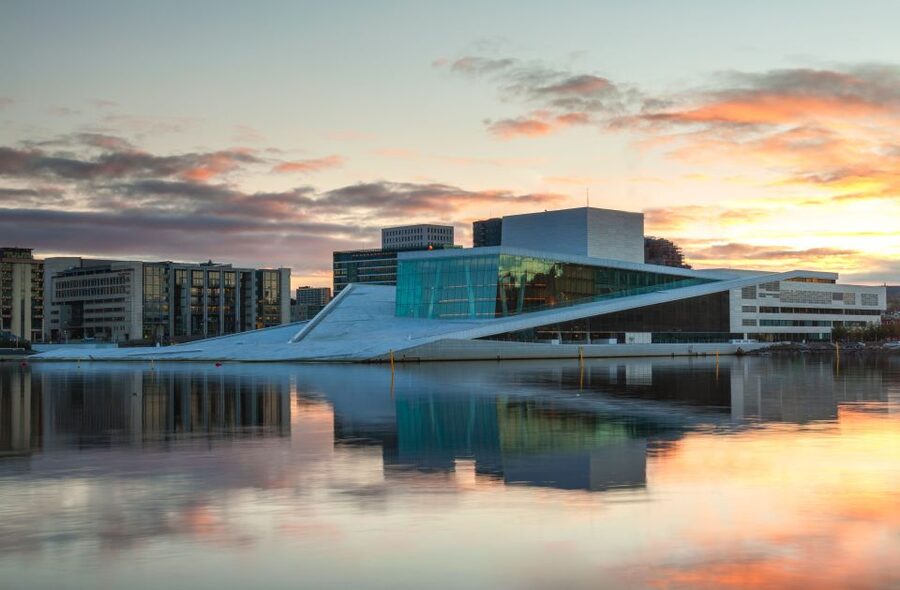
The Norwegian Opera House brings the tour into modern Oslo. Its pale, sloping form reaches toward the water and has become one of the city’s most recognizable pieces of architecture. You pass by it, so the time is enough for orientation and photographs, not a performance or an extended architectural visit.
The Opera House also helps explain how Oslo has turned toward its waterfront. From here, the route connects the older center with Langkaia, the area around KOK Oslo Sauna, and the harbor. The sauna is passed from outside, so think of it as a waterfront reference point rather than a booked activity.
This section is useful for planning later. You can see how the Opera House, harbor, City Hall, and Aker Brygge fit together. A guide may also point out places to eat or stop for coffee. One particularly practical recommendation from the tour experience is W.B. Samson, known for coffee and cinnamon buns. That sort of advice can save you from choosing a random café when you are ready for a break.
Same base, a completely different kind of day:
- Oslo: Scenic Fjord Cruise with Audio Guide Commentary
★ 4.5 · 5,375 reviews - Oslo Nature Walks: Island Hopping Tour
★ 4.8 · 2,713 reviews - Oslo: 100% Electric Oslofjord Sightseeing Cruise
★ 4.4 · 2,041 reviews - Oslo: Fjord Evening Cruise with Shrimp Buffet
★ 4.5 · 1,956 reviews
Christiania Torv and Oslo’s older center
Christiania Torv is one of the most meaningful stops because it shifts the focus from modern Oslo to the original city center. Here you hear why the capital has changed its name over the past 300 years and how Christiania fits into Oslo’s story.
The nearby Kvadraturen district adds another layer. Its name refers to the grid-like street plan, and the area helps you picture the planned city that developed after earlier urban changes. The route includes Gamle rådhus and Anatomigården, giving you glimpses of older civic and architectural Oslo.
This is where a good guide makes a real difference. The buildings are easy to pass without context, but the stories connect names, rebuilding, civic power, and urban growth. Guides such as Olaf and Ihor have been praised for adding humor and personal explanation to the history. You get facts, but also a sense of how Oslo and Norway developed.
The drawback is pace. Two hours is enough to point out the district and explain its importance, but not enough to inspect every lane or building. If Christiania interests you, make a note to return after the tour and explore at a slower speed.
Akershus Fortress and the harbor edge
Akershus Fortress is another major landmark on the route. You pass the fortress, rather than receiving a separate entry, but its location makes clear why this part of Oslo mattered. The fortress sits by the harbor and belongs to the city’s older defensive and civic story.
The route then continues toward Oslo City Hall and the Ceremony Pier. City Hall is a practical stop for understanding the waterfront’s civic role, while the pier connects the city to major public ceremonies and harbor views. The second city hall and other public buildings add to this section’s sense of Oslo as a working capital, not just a museum display.
You should keep your expectations realistic. The walk gives you the outside view and the guide’s explanation. If you want to explore Akershus Fortress in detail, or spend time inside City Hall, set aside another visit and check opening information separately.
Aker Brygge and Tjuvholmen at the finish
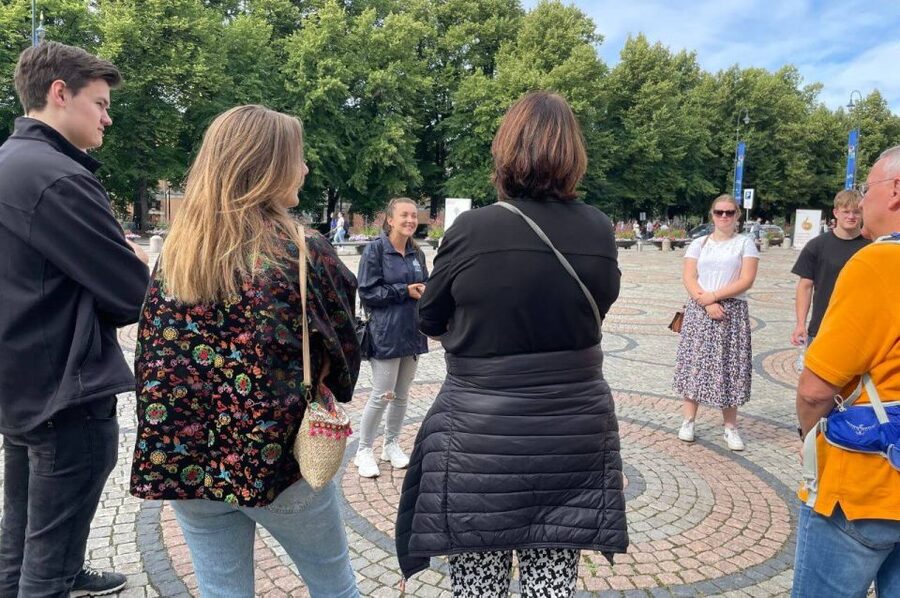
Aker Brygge is presented as an alternative quarter, and it offers a clear change from the old center. The area is associated with restaurants, bars, waterfront strolling, and modern redevelopment. Tjuvholmen continues that contemporary side of Oslo.
This is a pleasant way to finish because you can move from monuments and national institutions to places where people eat, meet, and spend an evening. The route also passes the Royal Palace, the National Theater, and Karl Johan’s monument, so the final section may feel like a broad sweep rather than a straight line through one neighborhood.
The exact order can vary with the starting option and guide, so use the supplied route as a guide to the experience rather than a promise that every sight receives equal time. The official route includes about twenty named points, but many are pass-by stops. That is a strength if you want a city overview, and a weakness if you prefer long visits at fewer places.
What the guides add to the experience
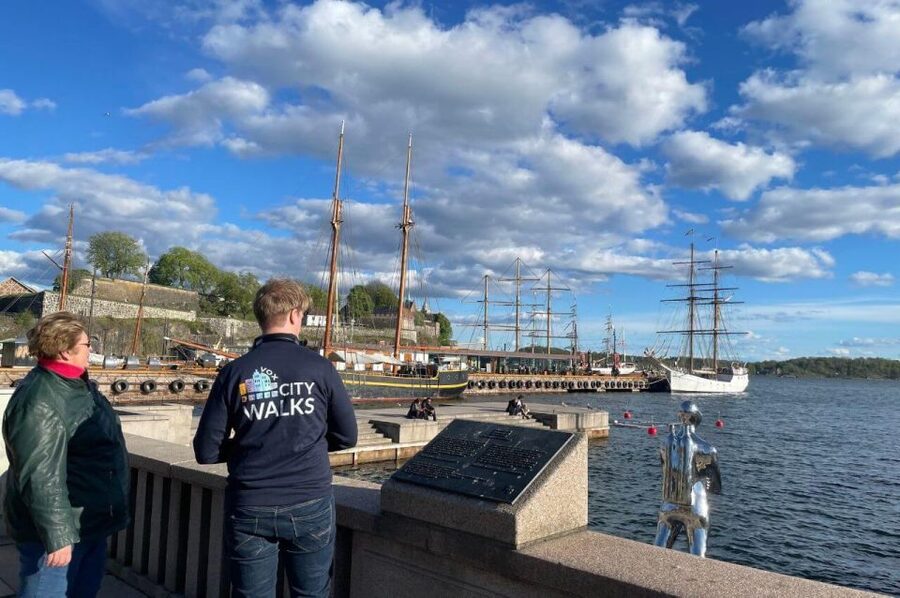
The strongest part of this tour is the human explanation. The guides have included Minji, Anastasia, Olaf, Amelia, Oliver, Judit, Csilla, and others, and the consistent pattern is clear English or German, a steady pace, and willingness to answer questions.
Anastasia has been praised for storytelling and for showing the city in a way that makes the major sights easier to remember. Olaf is known for humor and stories about Oslo, Norway, and places to visit afterward. Amelia has helped groups with questions and kept people together, while Oliver has offered useful answers and local suggestions.
One guide provided an earpiece to a group of thirteen, which can be helpful if your group is large. That equipment is not stated as a guaranteed feature for every departure, so do not count on it, but arrive close to the guide and stay within hearing distance.
The route has also continued in rain, hail, snow, and winter conditions. A wet-weather walk can still work, but you should wear shoes with a firm sole and bring suitable layers. In winter, pavements may not be fully cleared of snow. Anyone using a wheelchair or dealing with mobility limits should consider this carefully and ask the provider for current route conditions before booking.
Is $38 a fair price?
At $38 per person, this is not the cheapest way to see Oslo. You can walk many of these streets on your own for free. The price pays for a live guide, organized route, answers to your questions, and a two-hour introduction that can save you planning time.
I think the value is strongest on your first day, especially if you have only a short stay or want to decide which sights deserve a longer visit. A guide can point out museums, restaurants, cafés, bars, and transport connections while you are already in the center. The audio app adds value after the walk, though it does not replace a personal guide.
The price is less convincing if you already know central Oslo, plan to enter only one or two attractions, or prefer a slow photography walk. Since admission and public transportation are not included, factor those costs into your day.
Who should book this Oslo walking tour?
I would choose it for a first visit, a short city break, a cruise stop, or the opening morning of a longer Norway trip. It suits history fans, culture-focused visitors, and anyone who wants a quick mental map before exploring alone.
It also works well for solo visitors and couples who like asking questions. Families with older children may appreciate the short format, although the guide’s historical explanations may suit curious teens better than very young children.
I would be cautious if you have limited mobility, especially for a winter departure. The walk is described as reasonably flat, but snow and uncleared pavements can still create problems. I would also skip it if your priority is going inside museums, the fortress, or the Opera House.
Practical details that affect your day
The tour lasts about two hours and is offered in English or German. Choose the language at checkout, then check the exact meeting point because the English and German departures use different starting locations.
No public transportation ticket is included. You do not need transport for the guided walk itself, but you may want it for later sightseeing. Entry to attractions is also excluded.
You can cancel up to 24 hours before departure for a full refund, and the reserve-now, pay-later option keeps your plans flexible. Scan the QR code on your voucher to access the included sightseeing app after booking or during the experience.
FAQ
How long is the Best of Oslo Walking Tour?
The guided walk lasts approximately two hours.
Is the tour offered in English?
Yes. Live commentary is available in English or German. You select the language when booking.
Where does the English tour meet?
The English tour meets near the statue of P.A. Munch by the Faculty of Law building entrance at University Aula, Karl Johan Street 47.
Where does the German tour meet?
The German tour meets at the Nobel Peace Center at Brynjulf Bulls plass 1.
Are attraction tickets included?
No. The tour passes landmarks, museums, and other sights, but admission tickets are not included.
Is public transportation included?
No. Public transportation tickets are not included in the tour price.
Should you book it?
Book this tour if you want a clear introduction to Oslo in two hours, with history, architecture, local suggestions, and a route that links the old center to the waterfront. The guides’ storytelling and the included audio app make it more useful than simply following a map.
Skip it if you want interior visits, a slow neighborhood walk, or the lowest-cost way to see the city. For most first-time visitors, though, $38 is a reasonable price for a well-paced orientation, especially when taken early in your stay.
Just added around Oslo
- Oslo Winter Highlights Bike Tour★ 5.0 · 36 reviews
- 4 hours Best View of the Oslofjord Winter Edition★ 4.0 · 15 reviews
- The Viking Planet Museum – Mini Group (4 adults)★ 4.0 · 16 reviews
- Unknown war. Oslo and Norway during 1940-45★ 5.0 · 74 reviews
- The Ultimate Norwegian Skiing Experience★ 5.0 · 16 reviews
- The Ultimate Study of the Human Form at Vigeland’s Sculpture Park with a Local★ 4.0 · 14 reviews
- The Oslo Beer Adventure★ 4.5 · 11 reviews
- The Essential Oslo Private Walking Tour★ 5.0 · 79 reviews
Walking Tours, compared.
Past & Present Small Group Guided Walking Tour
Read our review →
Walking Tour in Bergen of the Past and Present
Read our review →


Central Oslo Guided Walking Tour with Local Guide
Read our review →Browse the lists this tour appears in