
Reviewed · WALKING TOURS
Myth and Legends Oslo Walking Tour
Oslo’s oldest stories are not all pretty. This walk takes you from the City Hall fountain into Akershus Fortress, then through the 17th-century streets of Kvadraturen, using myths, battles, royal power, and ghostly tales to explain the Norwegian capital.
I like the route because it covers Oslo’s major central sights in just two hours, and I like the way Norse gods and goddesses are tied to the city’s architecture. The main drawback is the price: $304 per group is sensible for a larger party, but costly for one or two people.
Key points to know before you book
- Akershus Fortress is the dramatic centerpiece: You see a darker side of Oslo’s old royal stronghold, including stories of conflict and death.
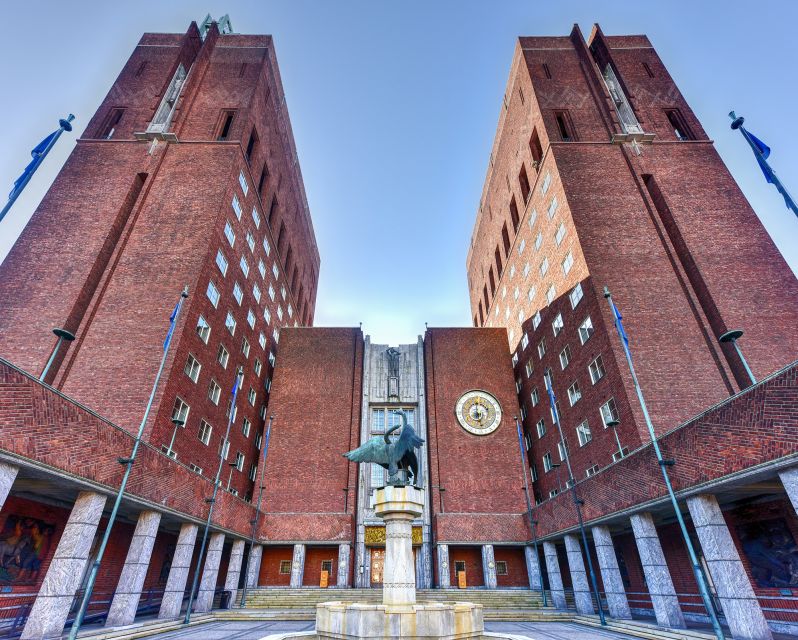
- The route is packed with central sights: City Hall, Kvadraturen, Parliament, the National Theater, University, Royal Palace, and Grand Café all fit into two hours.
- Norse mythology shapes the storytelling: The guide connects gods and goddesses with the work of Oslo’s architects.
- The tone is spooky, not a ghost hunt: Expect legends, trolls, ghost horses, and unsettling stories rather than staged paranormal tricks.
- Private groups get better value: The $304 rate covers up to 16 people, making the cost far more reasonable for a family or group of friends.
- English guides lead the walk: Maria and Marija are among the guides associated with this route, and strong storytelling is central to the experience.
Starting beside Oslo City Hall
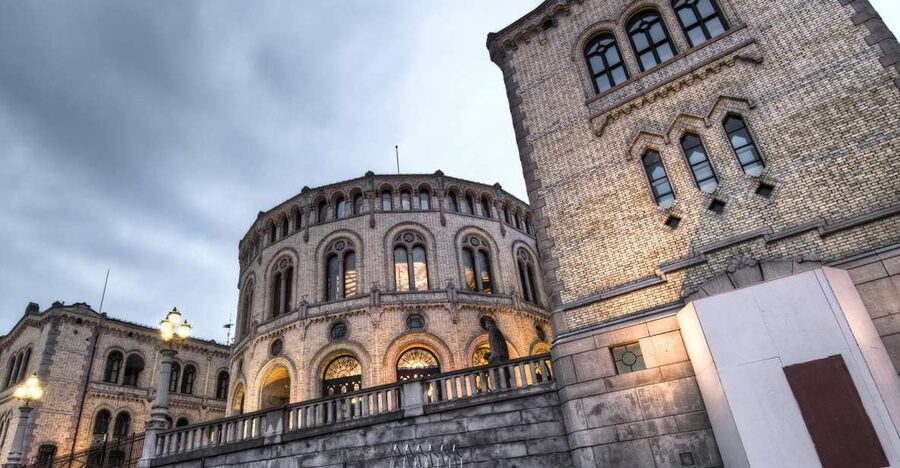
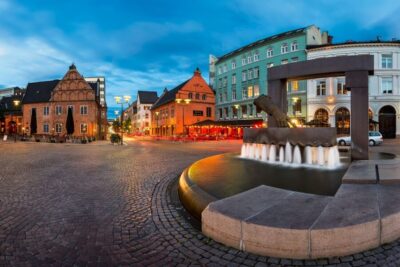
The walk begins at the Swan fountain by the entrance to Oslo City Hall. This is a practical starting point because City Hall is easy to find in central Oslo, and the square gives you a clear landmark for meeting your guide.
You can also arrange pickup from any downtown hotel. Since the official meeting point remains the Swan fountain, confirm the pickup plan when booking if you want the guide to come to your hotel rather than meet at City Hall.
The opening section sets up Oslo as a city more than 1,000 years old. That long timeline gives the guide plenty to work with: Viking-era beliefs, neighboring wars, royal power, and stories that have grown stranger with each retelling.
This is not presented as a formal academic lecture. The appeal is the way the guide links places you can see with the tales attached to them. A good guide can make an ordinary square feel less ordinary by explaining who used it, what happened nearby, and how old beliefs shaped the city’s public face.
More Walking Tours in Oslo
- Oslo: Best of Oslo Walking Tour
★ 4.5 · 458 reviews - Oslo: Guided Walking Tour of Central Oslo
★ 4.7 · 438 reviews - Oslo: Historic Myths & Legends Evening Walking Tour
★ 4.8 · 408 reviews
Akershus Fortress and Oslo’s darker side
Akershus Fortress is the main reason to choose this walk over a standard city orientation tour. The fortress began as a royal stronghold and became one of Oslo’s most recognizable symbols. Here, the focus turns toward battles, fear, power, and the less polished side of royal history.
You will walk around the fortress while your guide explains the stories connected with its buildings and grounds. The supplied details do not promise entry into every interior space, so you should think of this as an outdoor walking visit around the fortress rather than a full museum tour.
That distinction matters. If you want rooms, exhibits, and a detailed military history presentation, you may need a separate fortress visit. If you want atmosphere and storytelling in the setting where the stories belong, this route is a better match.
The guide also brings in ghost horses and other unsettling tales. The tone is playful but not silly. You are told plainly that this is not a ghost-chasing activity, although the setting may still give you a spooky feeling. That is a useful description of the mood: folklore and history come first, with a little shiver around the edges.
The fortress portion may be especially appealing if you have already seen Oslo’s modern waterfront and want something older and more mysterious. It adds texture to a city often associated with clean design, museums, and outdoor life.
Kvadraturen, Oslo’s 17th-century streets
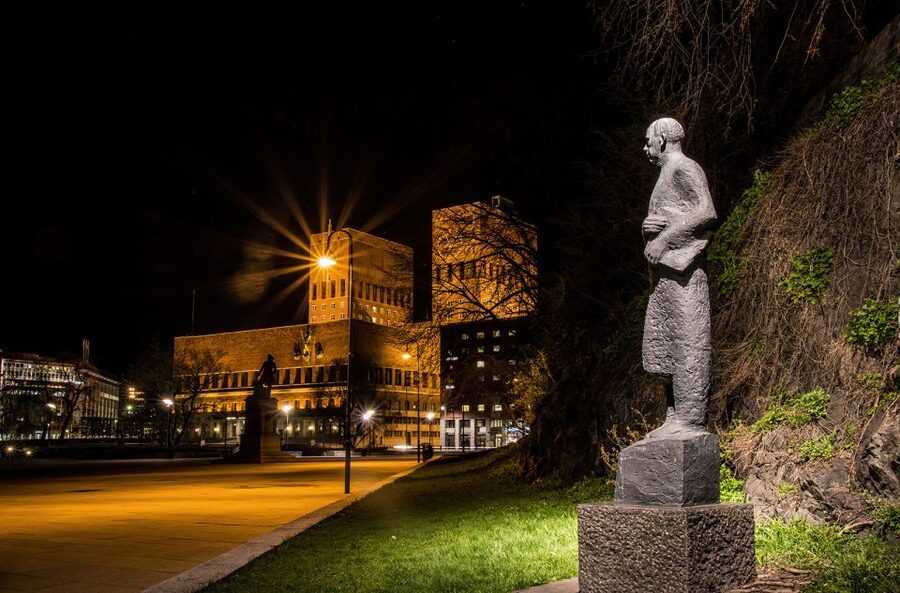
From the fortress, the route continues into Kvadraturen, the oldest part of the 17th-century city. This section helps you see Oslo as a rebuilt and planned capital rather than only as a medieval or Viking setting.
The streets here provide a change of mood. At the fortress, the stories center on defense and royal authority. In Kvadraturen, the focus shifts to city growth, public buildings, and the people who shaped daily life in the capital.
The guide uses the district to show you the darker side of familiar buildings and squares. That can mean a story of conflict, an old fear, or a legend attached to a place that looks perfectly calm today. The value is in the contrast. You see the same streets differently once you know the tales connected with them.
The walk is also useful for getting your bearings. Oslo’s historic center is compact, and this route links several important areas without requiring public transport. You move from City Hall to the fortress, through the old city, and onward to Karl Johan in one continuous walk.
There is a lot packed into the schedule, so this is not a slow architectural study. You should expect to keep moving and listen while walking. If you want long stops for photographs or quiet time inside buildings, two hours may feel short.
Norse gods in the architecture of Oslo
One of the more unusual features of this tour is its attention to Norse mythology in city design. The guide explains how gods and goddesses influenced Oslo’s architects and the way the capital presents its past.
That gives you more than a list of names from Norse mythology. The stories help explain why certain symbols and figures appear in Norwegian public life. The tour connects ancient beliefs with modern streets and buildings, giving the city a cultural thread that a basic sightseeing walk can miss.
You may hear about trolls, Viking-era legends, and ghostly figures such as the ghost horse. The exact stories can vary with the guide, but the central idea remains the same: Oslo’s identity is shaped by old myths as well as by documented events.
The strongest guides on this route use storytelling well. Maria is described as personable, entertaining, and able to move between history, mythology, and present-day cultural points. Marija is also associated with the tour and has been praised for her command of Oslo’s myths and legends.
That matters because folklore walks depend heavily on delivery. A dry list of supernatural tales would not carry you far. A guide who explains the setting, gives the story a clear shape, and connects it to the city makes the two hours feel purposeful.
Same base, a completely different kind of day:
- Oslo: Scenic Fjord Cruise with Audio Guide Commentary
★ 4.5 · 5,375 reviews - Oslo Nature Walks: Island Hopping Tour
★ 4.8 · 2,713 reviews - Oslo: 100% Electric Oslofjord Sightseeing Cruise
★ 4.4 · 2,041 reviews - Oslo: Fjord Evening Cruise with Shrimp Buffet
★ 4.5 · 1,956 reviews
Karl Johan and Oslo’s grand public buildings
The walk finishes on Karl Johan, Oslo’s main street. This final stretch gathers several of the capital’s best-known landmarks into one view: the Parliament, National Theater, University, Royal Palace, and Grand Café.
The Parliament gives the route a political finish. After hearing about monarchs, battles, and old beliefs, you arrive at the institutions of modern Norway. The National Theater and University add another layer, linking the street with the country’s cultural and intellectual life.
The Royal Palace brings the royal thread back into focus. You have already explored a fortress tied to royal power, so the palace helps show how that role changed over time. The Grand Café provides a more social and literary note, ending the route in a place associated with Oslo’s public life rather than its defensive past.
You should not expect a full interior tour of these buildings. The information provided describes an outdoor route with views and explanations from the street. That is a strength if you want to cover many central sights quickly, but a limitation if you prefer extended visits indoors.
Finishing on Karl Johan is convenient. You end in one of the city center’s main corridors, surrounded by major landmarks and close to other parts of central Oslo. The tour does not leave you at an isolated location.
What $304 means for your group
The price is $304 per group of up to 16 people. That is a private-tour rate, not a per-person price, so the value changes sharply according to group size.
For 16 people, the cost works out to $19 per person. For eight people, it is $38 each. For four people, it is $76 each. For two people, it becomes $152 per person, which is a substantial amount for a two-hour walk.
I would consider this good value for a family group, a reunion, or a party of friends who want their own guide and a focused route. The private format also means you can ask questions and keep the pace suited to your group, although the supplied details do not promise a customized itinerary.
For a couple or solo visitor, the price is harder to justify unless the mythology theme is a major priority. A less expensive shared walking tour may cover similar central sights, but it may not offer the same private setting or the same emphasis on dark legends and Norse influence.
The included hotel pickup from a downtown hotel adds convenience, and taxes are included. Transport during the walk and meals are not included, though this is mainly a walking route through the center, so you should not need special transport between the listed stops.
Timing, comfort, and accessibility
The tour lasts two hours. That is long enough to cover the central route but short enough to fit into a busy Oslo day. I would place it early in your visit if you want the guide to help you understand the city before exploring on your own.
Wear comfortable shoes. The route crosses several central districts and includes a fortress area, so practical footwear matters more than dressing for a polished city outing.
The activity is listed as wheelchair accessible. Since the walk includes a historic fortress and old city streets, it is sensible to confirm the exact route and any access needs before booking. The available details do not specify gradients, surfaces, or interior access.
Children under 12 are not considered suitable for this activity. That makes sense given the dark stories, battles, ghostly material, and the guide’s emphasis on serious historical themes. Older children and teenagers who enjoy mythology may be a better fit, but the minimum age remains 12.
The walk is conducted in English with a live guide. It is not a self-guided audio route, and the guide’s storytelling is a central part of what you are paying for.
The most important practical caution
One booking had a serious problem: the guide did not arrive. The money was refunded, and customer support handled the situation well, but a no-show can disrupt a tightly planned day in Oslo.
I would keep your confirmation details handy and allow a few minutes at the Swan fountain before assuming there is a problem. If the guide is late, contact the tour company or booking support promptly rather than leaving the meeting point.
This appears to be an isolated issue rather than the usual character of the activity, but it is worth knowing because private tours can be difficult to replace at short notice. The strong overall rating of 4.7 from 20 ratings reflects that most of the recorded experience has been positive, especially the guides and their storytelling, while the no-show remains an important exception.
Who will enjoy this Oslo walk most?
I would choose this tour if you like city history with a darker edge. It suits you if tales of trolls, ghost horses, Norse gods, royal conflict, and old battles sound more appealing than a standard list of dates and buildings.
It is also a good choice if you have only a short time in Oslo. The route gives you a useful first look at the historic center and ends near several major sights. You will not explore every building in depth, but you will see the city’s main central landmarks in a clear sequence.
A private group makes it particularly suitable for friends and families with older children. You can share the price across the whole party, ask questions as you go, and avoid being added to a large public group.
I would be more cautious if your main aim is museum access, detailed military history, or an extended visit inside Akershus Fortress. This is a story-led city walk, not a full fortress tour or an architectural seminar.
Should you book the Myth and Legends Oslo Walking Tour?
Book it if you want Oslo presented through myths, royal power, and unsettling history, and if you can share the group price with several people. The route is efficient, central, and unusually focused on the way Norse beliefs shape the city’s identity.
For two people, compare the cost carefully. For a larger private group, the value improves quickly. Bring comfortable shoes, meet at the Swan fountain unless hotel pickup is confirmed, and expect a lively English-language walk rather than a ghost hunt.
FAQ
Where does the Myth and Legends Oslo Walking Tour begin?
The meeting point is the Swan fountain at the entrance to Oslo City Hall.
Can I arrange hotel pickup?
Yes. Pickup is available from any downtown hotel. Confirm the pickup details when booking, since the stated meeting point is still the Swan fountain at City Hall.
How long does the tour last?
The walking tour lasts two hours.
Is the tour private?
Yes. It is a private group tour for up to 16 people.
What language is the tour in?
The tour is conducted in English by a live English-speaking guide.
Is the tour wheelchair accessible?
Yes. The activity is listed as wheelchair accessible. Because the route includes a historic fortress and old city areas, confirm any specific access needs in advance.
Are children allowed on the tour?
Children under 12 are not suitable for this activity. The tour includes dark historical stories, myths, battles, and ghostly legends.
Just added around Oslo
- Oslo Winter Highlights Bike Tour★ 5.0 · 36 reviews
- 4 hours Best View of the Oslofjord Winter Edition★ 4.0 · 15 reviews
- The Viking Planet Museum – Mini Group (4 adults)★ 4.0 · 16 reviews
- Unknown war. Oslo and Norway during 1940-45★ 5.0 · 74 reviews
- The Ultimate Norwegian Skiing Experience★ 5.0 · 16 reviews
- The Ultimate Study of the Human Form at Vigeland’s Sculpture Park with a Local★ 4.0 · 14 reviews
- The Oslo Beer Adventure★ 4.5 · 11 reviews
- The Essential Oslo Private Walking Tour★ 5.0 · 79 reviews
Walking Tours, compared.
Past & Present Small Group Guided Walking Tour
Read our review →
Walking Tour in Bergen of the Past and Present
Read our review →

Browse the lists this tour appears in