
Reviewed · HISTORICAL TOURS
Oslo City Walks: Historic River Walk
Akerselva gives you a side of Oslo that the grand museums and waterfront cannot. This two-hour river walk follows the city’s old industrial spine, where waterfalls, bridges, parks, and former factory areas tell the story of Norway’s move from industry to modern city life.
I like the route for two clear reasons: it mixes nature with urban history, and it includes Mathallen, where you can see Oslo’s food culture in one place. The main consideration is simple: this is a walking tour, not a food tour, so your $52 covers the guide but not anything you eat or drink along the way.
- Akerselva’s transformation: See how a polluted industrial river became a living ecosystem.
- Grønland to Mathallen: Follow Oslo’s changing neighborhoods and end near one of its best-known food halls.
- Beier Bridge waterfall: Pause at one of the route’s most memorable natural sights.
- Fairytale Bridge: Cross a charming landmark surrounded by greenery and old city character.
- Authorized local guide: Get context in English or Norwegian rather than simply following a map.
- Easy central meeting point: Meet in front of the Oslo Visitor Center inside Østbanehallen at Oslo S.
Why Akerselva Tells Oslo’s Story So Well
If you want to understand Oslo beyond its postcard sights, Akerselva is a smart place to start. The river runs through the city and acts as a kind of open-air timeline. Its water once powered industry, while its banks now offer paths, trees, parks, and places to pause.
That change is the heart of the walk. You are not only looking at a river. You are seeing how Oslo dealt with the cost of industrial growth and worked to restore a damaged waterway. The result is a route where old industry and current city life sit close together.
This gives the tour more substance than a standard orientation walk. You will still get pleasant scenery, but the scenery has a reason behind it. The guide can explain why the river mattered, how the nearby districts changed, and what environmental work helped bring Akerselva back to life.
The route also lets you see contrasts within a short distance. Grønland has an urban, central feel, while the river soon leads you toward trees, water, and quieter paths. Then Mathallen brings you back into the social side of Oslo, with food stalls and products from Norway and elsewhere.
Starting at Oslo S in the Heart of the City
The walk starts at 14:00 in front of the Oslo Visitor Center. The center is inside Østbanehallen at Jernbanetorget 1, close to Oslo Central Station.
This is a useful meeting point because Oslo S is easy to identify and well connected to the rest of the city. Still, give yourself more than the required 10 minutes if you do not know the station. Østbanehallen is a large interior space, and finding the correct entrance can take a little time when you are carrying luggage or arriving during a busy part of the day.
Look for your guide outside the Oslo Visitor Center rather than wandering around the station. The meeting instructions are specific, which helps. You do not need to arrange transport as part of the tour, and no transport is included once the walk begins.
The start time also matters. A 14:00 departure works well for a first or second day in Oslo, when you want a guided introduction without giving up the whole morning. You could pair it with a morning museum visit or use the walk as a relaxed afternoon plan.
More City Tours in Oslo
- Oslo: City Sightseeing Hop-On Hop-Off Bus Tour
★ 3.6 · 724 reviews - Oslo: Grand City Sightseeing Tour by Bus with Fjord Cruise
★ 4.6 · 647 reviews - Oslo Combo Tour: Grand City Tour and Oslo Fjord Cruise
★ 4.5 · 555 reviews
Grønland and the City’s Industrial Past
The route moves through Grønland, an area closely linked to Oslo’s industrial past. The important point is not simply that the neighborhood once had factories. It is that the river helped shape the city around it.
A guide gives you the missing connection between the water and the streets. Without that context, Akerselva can look like a pleasant urban stream. With it, the river becomes part of a larger story about work, power, pollution, and renewal.
This section should suit you if you enjoy seeing how a city changes over time. You get an idea of the old working city, then see how the same spaces now support recreation, culture, and daily city life. The tour does not present Oslo as frozen in the past. It shows a place that has been altered and cleaned up while still keeping reminders of its earlier purpose.
The tone is more about observation than grand monuments. You may not get the instant spectacle of a palace or museum, but you do get a closer look at how Oslo actually functions. That makes the walk especially useful if you have already seen the main center and want something less obvious.
Beier Bridge Waterfall: A Natural Break in the City
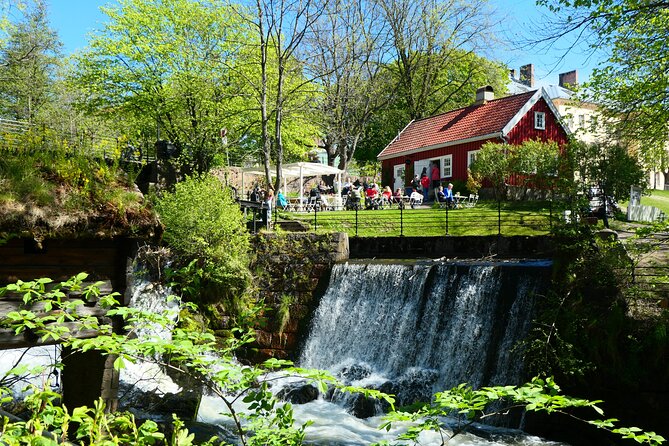
One of the route’s key stops is the waterfall at Beier Bridge. It is a good example of what makes Akerselva unusual. You are still within Oslo, yet the sound and movement of falling water can make the city feel far away for a moment.
This is also where the river’s industrial role becomes easy to understand. Waterfalls were not just pretty sights. They provided power, which helped draw industry to the river. The natural feature and the working history are tied together.
You should expect a stop for explanation and viewing rather than a long sightseeing session. The supplied details do not promise time for swimming, extensive photography, or a separate attraction visit. Bring a phone or small camera if you like taking pictures, but keep your attention on the path and the guide as well.
The waterfall is likely to be one of the most rewarding points for anyone who wants nature without leaving the city. It also adds variety to the walk. The route is not just streets and buildings, and it is not only a park stroll.
Fairytale Bridge and the Green River Path
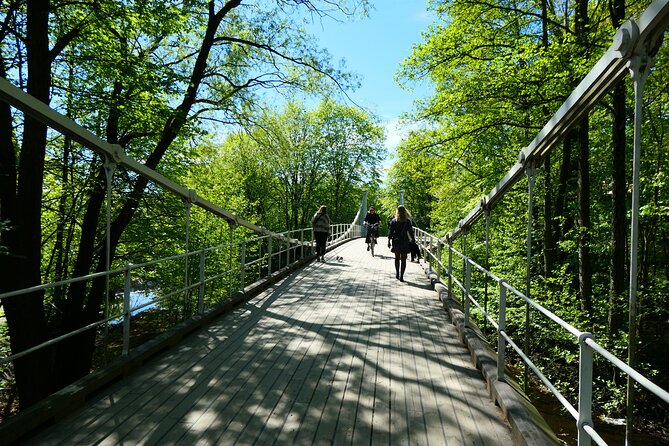
The Fairytale Bridge brings a lighter touch to the route. Its name suggests the kind of setting you can expect: a charming crossing surrounded by greenery and river views.
The bridge is not presented as a major monument that requires a long visit. Its value comes from how it fits into the walk. You cross it while moving through the river corridor, and the setting gives you a break from the harder industrial story.
Akerselva’s banks offer parks and nature trails, so you should wear shoes that can handle a sustained walk. Good walking shoes are specifically recommended, and that advice is worth taking seriously even though the tour lasts only two hours. Weather can also change the character of the path, so dress for the conditions rather than for a fixed idea of Oslo.
This is one reason the experience feels different from a standard downtown route. The guide is leading you through a green corridor, not just from one city building to another. You will want to keep your pace comfortable and leave room to notice the river, plants, bridges, and changing views.
More Historical Tours in Oslo
- Oslo: Historic Myths & Legends Evening Walking Tour
★ 4.8 · 408 reviews - Oslo: History, Art and Secrets Tour
★ 4.7 · 62 reviews - Oslo City Walks – Historic River Walk
★ 5.0 · 31 reviews - A Well Balanced History and Food Tour with Focus on the Scandinavian Kitchen
★ 4.5 · 29 reviews
From Polluted Waterway to Living Ecosystem
The environmental story is one of the strongest reasons to choose this walk. Akerselva has gone from a polluted industrial river to a living ecosystem with plants and wildlife.
That change gives the guide something concrete to explain. You can hear how environmental work affected the river and why restoration matters in a city. The subject is practical rather than abstract: cleaner water changes what can live there and how people can use the banks.
I like this part because it connects Oslo’s past to present-day choices. You are not just hearing about old factories and bridges. You are also seeing the results of efforts to repair the damage caused by industry.
The tour does not promise a specialist ecology lesson, and you should not book it expecting detailed wildlife identification. Its strength is the broad picture: history, urban planning, nature, and environmental repair in one walk.
Mathallen Adds a Taste of Present-Day Oslo
The stop at Mathallen gives the route a useful finish. This food hall is described as one of Oslo’s main food destinations, with Norwegian and international products and dishes.
Food is not included, so plan to pay for anything you want to sample. That is a drawback if you expected a tasting tour, but it can also be an advantage. You are free to choose what interests you rather than paying for a fixed selection.
Mathallen works well as a final stop because it shows Oslo in its current form. After walking through the city’s industrial past, you arrive at a place focused on food, meeting, and urban life. You can look for Norwegian specialties, compare local products with international choices, or simply use the stop to decide where to eat later.
Do not assume the tour includes a full meal or a long independent break. The activity promises a stop at Mathallen, not a food budget or a detailed tasting program. If you want to browse carefully or eat a proper meal, allow extra time after the official two hours.
For many people, this will be the practical highlight. You get the guide’s interpretation of the city, then a chance to continue exploring at your own pace.
What the Guide Adds for $52
At $52 per person, the tour is not a bargain-priced way to fill two hours. You are paying for an authorized Oslo guide, a planned route, and local interpretation rather than for admission to a museum or food included in the price.
The value depends on how you like to explore. If you would happily follow Akerselva alone with a map, the price may feel high. The river paths are public, and you do not need included transport or tickets for the walk itself.
I think the cost makes more sense if you want the story behind what you see. The tour links Grønland, the industrial river, Beier Bridge, Fairytale Bridge, the restored ecosystem, and Mathallen into one clear route. Finding all of those places alone would be possible, but understanding their connection would take more preparation.
The quality of the guide matters a great deal here. The available feedback points to a guide who was kind, engaged, sympathetic, and well informed. Another comment made the useful point that a strong guide is essential to this kind of experience. I agree. The sights are pleasant, but the interpretation is what turns a walk beside a river into a city tour.
The rating is 5 out of 5 from four verified bookings, which is encouraging, though the sample is small. One comment described the walk as a way to reach especially attractive parts of Oslo that are easy to miss alone. That is exactly the tour’s strongest promise.
Who Will Enjoy This Walk Most
I would choose this experience if you want a softer, more local-feeling introduction to Oslo. It suits people who like city walks, changing neighborhoods, environmental stories, and small scenic stops more than grand indoor attractions.
It is also a good fit for a return visit. If you have already seen central Oslo’s major sights, Akerselva offers a different view of the city. You get movement, fresh air, and a story about work and renewal.
Families with older children may enjoy the waterfall, bridges, and changing scenery, though the supplied information does not specify a child age range or accessibility details. Anyone with limited mobility should ask the provider for current route information before booking, since the activity is a two-hour walk along river paths and nature trails.
You should think twice if you dislike walking in uncertain weather or prefer a tour with many indoor stops. The guide can explain the route, but the experience depends on being outside. A rain jacket and sensible shoes matter more than stylish footwear.
It may also disappoint you if your main goal is eating. Mathallen is included as a stop, but food costs extra and the activity is not described as a tasting tour.
Timing, Language, and Simple Preparation
The tour lasts approximately two hours and is offered with a live guide in English or Norwegian. Starting times can vary, so confirm the date and time when you book, even though the stated departure is 14:00.
Arrive at least 10 minutes early at the Oslo Visitor Center. I would arrive earlier if Oslo S is new to you. Meeting at the station is convenient, but large transit spaces can create needless stress when you are rushing.
Wear comfortable walking shoes and dress for the weather. This sounds basic, but it is central to enjoying the route. The tour includes city streets, river paths, bridges, and green areas, so comfort will help you pay attention to the guide instead of your feet.
Bring money or a payment method for Mathallen if you want food. Since food and transport are not included, those costs sit outside the $52 booking price.
You can cancel up to 24 hours ahead for a full refund, and the reserve-now, pay-later option keeps your plans flexible. Those terms are useful in Oslo, where weather can affect how appealing an outdoor walk feels.
Should You Book Oslo’s Historic River Walk?
Book it if you want history with fresh air, a guide-led look at Oslo’s industrial past, and a route that ends at Mathallen. The waterfall at Beier Bridge, Fairytale Bridge, and restored river ecosystem give the walk enough variety to avoid feeling like a plain transfer from one neighborhood to another.
Skip it if you want a dedicated food tour, a museum visit, or a short sightseeing ride. You will need to walk for two hours, pay separately for food, and dress for the weather.
For most people who enjoy seeing how a city grew and changed, this is a worthwhile use of an afternoon. The route shows a less obvious Oslo, and the guide’s local knowledge is the main reason to pay for it rather than walking beside Akerselva alone.
FAQ
Where does the Oslo Historic River Walk start?
Meet your guide in front of the Oslo Visitor Center inside Østbanehallen at Jernbanetorget 1, 0154 Oslo.
What time does the tour start?
The tour starts at 14:00. Check availability for the exact starting time on your chosen date.
How long does the walk last?
The activity lasts approximately two hours.
What languages are available?
The live tour guide operates in English or Norwegian.
Is food included at Mathallen?
No. Food is not included, so you pay separately for anything you choose to eat or drink at Mathallen.
What should I wear and bring?
Wear good walking shoes and dress according to the weather. You should also arrive at the departure point 10 minutes early.
More Walking Tours in Oslo
- Oslo: Best of Oslo Walking Tour
★ 4.5 · 458 reviews - Oslo: Guided Walking Tour of Central Oslo
★ 4.7 · 438 reviews - Taste of Oslo Walking Tour
★ 4.5 · 282 reviews - Central Oslo Guided Walking Tour with Local Guide
★ 4.5 · 278 reviews
Just added around Oslo
- Oslo Winter Highlights Bike Tour★ 5.0 · 36 reviews
- 4 hours Best View of the Oslofjord Winter Edition★ 4.0 · 15 reviews
- The Viking Planet Museum – Mini Group (4 adults)★ 4.0 · 16 reviews
- Unknown war. Oslo and Norway during 1940-45★ 5.0 · 74 reviews
- The Ultimate Norwegian Skiing Experience★ 5.0 · 16 reviews
- The Ultimate Study of the Human Form at Vigeland’s Sculpture Park with a Local★ 4.0 · 14 reviews
- The Oslo Beer Adventure★ 4.5 · 11 reviews
- The Essential Oslo Private Walking Tour★ 5.0 · 79 reviews
Historical Tours, compared.

Reindeer Camp and Sami Cultural Tour with Lunch
Read our review →

Sightseeing Cruise of Bergen’s Historic Landmarks
Read our review →

Browse the lists this tour appears in