
Reviewed · HISTORICAL TOURS
Oslo: History, Art and Secrets Tour
Oslo’s story comes into focus on foot, and this tour gives you a useful first look at the city in one long downhill walk. You’ll hear how fires repeatedly reshaped Oslo, then connect that past to the palace, fortress, waterfront, modern Opera House, and Munch Museum.
I like the small group of no more than 10 people, which makes it easier to ask questions and hear the guide. I also like the mix of major sights and lesser-known stories, plus the practical restaurant advice some guides share. The main drawback is the pace and terrain: this is a three to four-hour walking tour and is not suitable for wheelchair users or people with mobility impairments.
Key points at a glance
- Oslo in one walk: Follow a route from the Royal Palace through the center and down toward the fjord.
- A useful first-day tour: The route covers enough landmarks to help you plan the rest of your stay.
- Small-group format: Up to 10 participants means a more personal experience than a large city walk.
- History with local color: Hear about repeated fires, rebuilding, architecture, art, and Oslo’s shift into a modern capital.
- Opera House access: Enter the building, not just photograph it from outside.
- Guide quality matters: Anders, Radu, Magnus, Luis, and Michael are among the guides praised for clear stories, humor, care, and practical advice.
A smart first look at Oslo
At $41 per person, this tour sits in a reasonable range for a three to four-hour guided walk, especially if you want a broad introduction rather than a single museum visit. You are paying for a local guide, a small group, several central sights, scenic viewpoints, and entry into the Opera House.
I see the strongest value on a first day in Oslo. The route gives you a mental map of the center, the harbor, the main shopping street, the old fortress, and the newer waterfront. Afterward, you can decide which places deserve a longer visit.
The tour does not include museum admission. That is important if you want to visit the Munch Museum rather than simply see it from the outside. The walk is more about orientation, context, photographs, and stories than extended interior visits.
The advertised duration is three to four hours. That leaves room for questions, photos, and the guide’s pace, but you should not treat it as a quick stroll. Bring water, wear comfortable shoes, and dress for the weather. Oslo can feel very different in sun, wind, rain, or cold, especially near the fjord.
More Historical Tours in Oslo
- Oslo: Historic Myths & Legends Evening Walking Tour
★ 4.8 · 408 reviews - Oslo City Walks – Historic River Walk
★ 5.0 · 31 reviews - A Well Balanced History and Food Tour with Focus on the Scandinavian Kitchen
★ 4.5 · 29 reviews
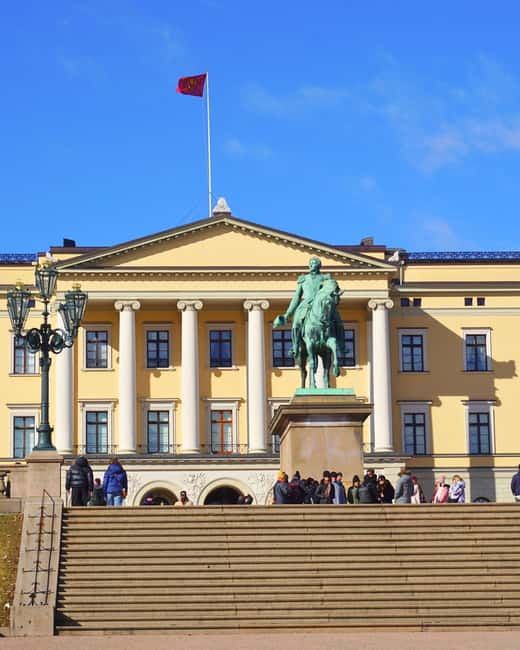
Starting at the Royal Palace
The route begins at the Royal Palace in Slottsparken, though the exact meeting point can vary with the option you book. Check the meeting instructions carefully before setting out.
The palace gives the tour a formal opening. From here, the guide can place Oslo’s government, royal, and civic buildings within the wider story of the city. The setting also makes a practical starting point because you begin above the central waterfront and gradually walk downhill.
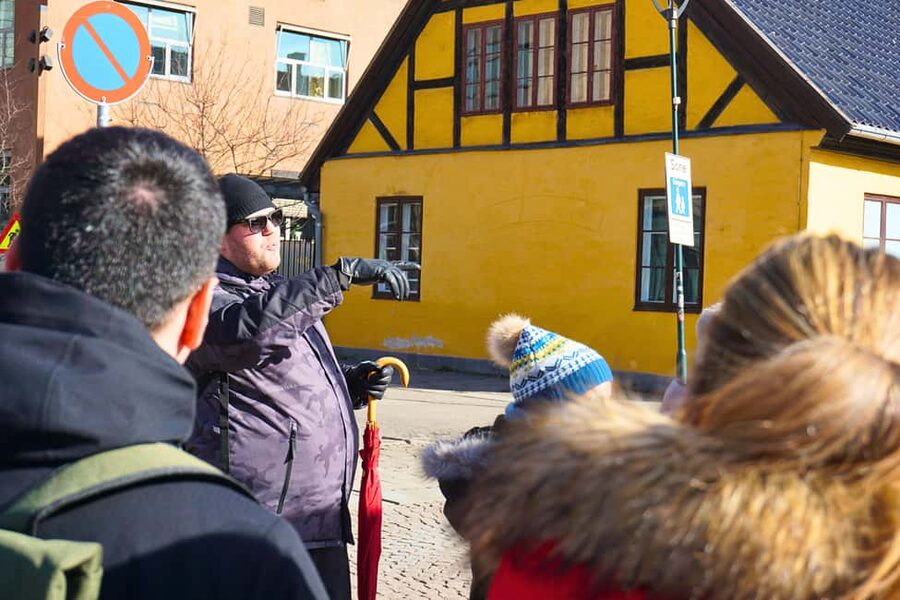
That downhill direction is helpful, but the route still involves plenty of time on your feet. If you walk slowly, tell the guide early. One particularly thoughtful guide, Anders, was praised for allowing slower walkers time to hear the explanations and keep up with the group.
The guides also seem to bring different personalities to the same route. Anders is described as warm, humorous, and attentive. Radu is praised for covering many of Oslo’s best sights, while Magnus is associated with a relaxed walk. Michael is noted for his treatment of architecture and city history, and Luis also receives strong praise. Your exact guide will shape the tone of the day.
Aker Brygge and the Oslo waterfront
The walk heads toward Aker Brygge, one of the city’s main waterfront areas. This is where Oslo’s connection to the fjord becomes immediate rather than something you only see on a postcard.
The guide uses the waterfront to point out how Oslo has changed over time. You get a sense of the city as a working and civic center, then see how newer public spaces and buildings face the water. The route is useful here because you are not simply being taken to one monument. You are learning how the city fits together.
This is also one of the better places for photographs. Bring a camera or make sure your phone is charged. The tour specifically includes scenic viewpoints, and the open waterfront gives you a chance to frame the city with the fjord behind it.
The Aker Brygge section includes about 10 minutes of guided walking and sightseeing in the planned route, though the full pace may vary with the group. Do not expect a long break here. The point is to see, understand, and continue.
Oslo City Hall and Karl Johans Street
At Oslo City Hall, you get a photo stop and more explanation from the guide. The building is a useful marker between the waterfront and the city center, and the stop lets you pause before the longer central stretch.
The tour then moves along Karl Johans Street, Oslo’s main central avenue. This part helps you read the city as a capital. You are walking through a public corridor that links important civic places, shops, transport, and the palace area.
The planned walk here takes about 15 minutes, with time for photographs and commentary. That sounds brief, but the whole route keeps moving. I like this format for visitors who want a broad view in one morning or afternoon, though it will feel too quick if you want detailed architecture at every stop.
Your guide may also offer practical advice about food and later sightseeing. Anders is praised for giving suggestions across different budgets, while another guide, also a professional chef, gave especially useful restaurant recommendations. Those tips can be worth more than a generic list because they come during the walk, when you can ask what fits your plans.
Same base, a completely different kind of day:
- Oslo: Scenic Fjord Cruise with Audio Guide Commentary
★ 4.5 · 5,375 reviews - Oslo Nature Walks: Island Hopping Tour
★ 4.8 · 2,713 reviews - Oslo: 100% Electric Oslofjord Sightseeing Cruise
★ 4.4 · 2,041 reviews - Oslo: Fjord Evening Cruise with Shrimp Buffet
★ 4.5 · 1,956 reviews
Oslo Central Station and the city’s fire story
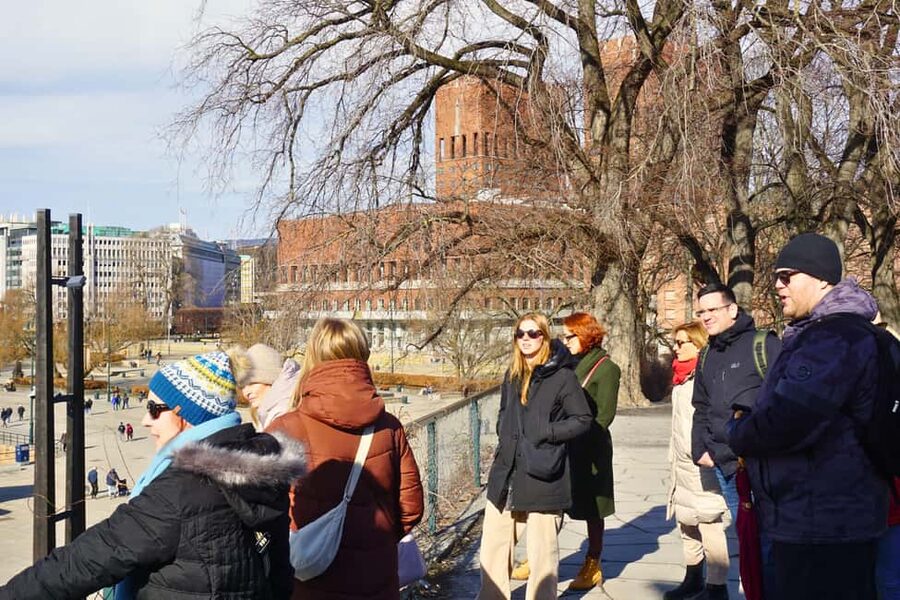
Oslo Central Station is another photo and sightseeing stop. It gives you a practical reference point for arrival, departure, and later independent exploring. The tour can end here, depending on the drop-off option, so paying attention to this part of the route helps you understand how the day connects with the rest of your visit.
One of the tour’s most interesting themes is fire. Oslo was nearly destroyed by fire several times over the last hundred years, and the guide explains how those disasters affected the city’s buildings, streets, and identity. This is more useful than a string of dates because it helps explain why different parts of Oslo feel so different.
The stories also give the architecture a reason to exist. Instead of seeing old and new buildings as a random mix, you begin to understand them as signs of rebuilding, change, and modern planning. That connection between history and what you can actually see is one of the tour’s strongest features.
Akershus Fortress above the harbor
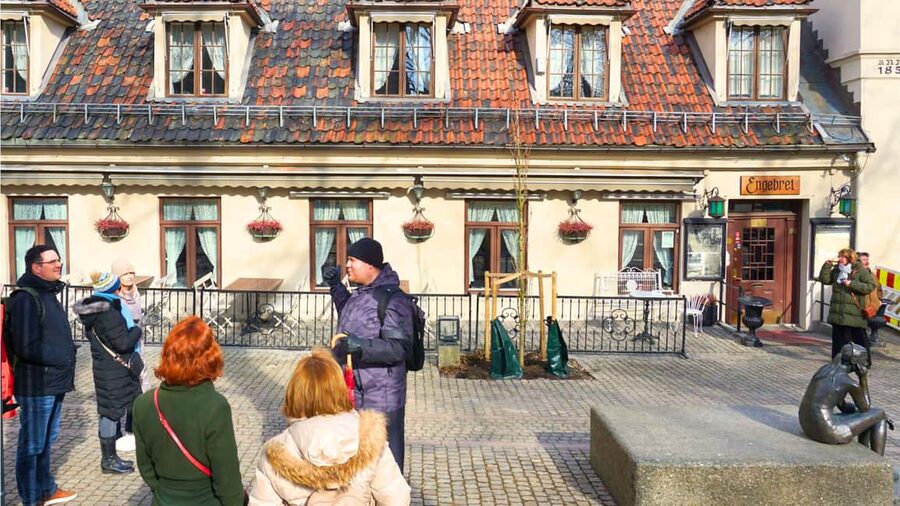
Akershus Fortress adds a medieval note to a route otherwise filled with royal, civic, and modern landmarks. From the fortress area, you can look back toward the harbor and understand Oslo’s defensive position.
The stop includes a walk, guided sightseeing, and time for photographs. The fortress is also one of the places where the guide’s storytelling matters most. A short visit can feel flat without context, while a good explanation can make walls and courtyards easier to read.
Expect uneven or sloping walking surfaces in parts of the route, and remember that the activity is not suitable for people with mobility impairments or wheelchair users. The supplied information does not give a detailed step-free route, so you should not assume that every section is accessible.
The fortress is a good place to pause for views, but it is not presented as a full fortress tour. If you want to study the site in detail, you may need to return independently.
The Oslo Stock Exchange and the shift to modern commerce
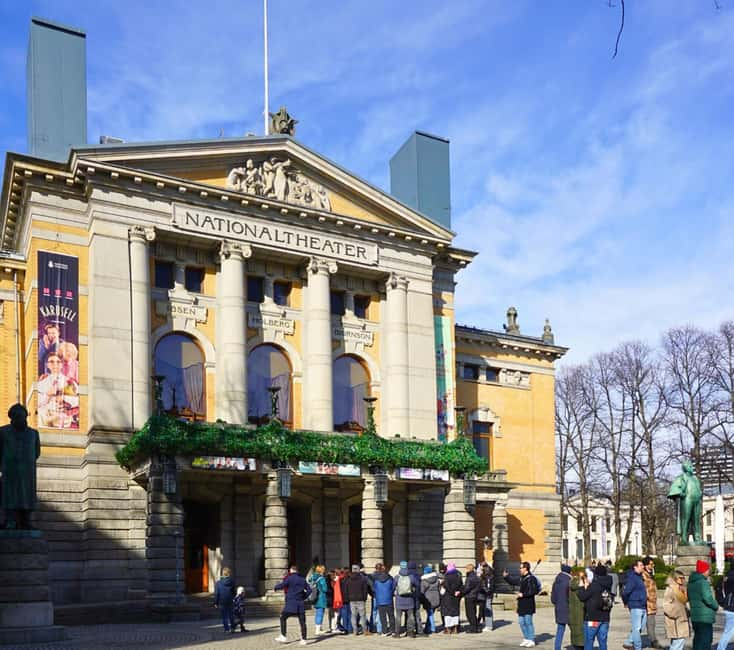
The Oslo Stock Exchange provides another brief stop on the way through the center. It adds a business and economic layer to the tour, balancing the palace, fortress, museums, and waterfront.
This kind of stop may not be your top sight on a short visit, but it helps show that Oslo is more than a collection of postcard buildings. The guide connects places to the city’s working life, public identity, and changing role.
The planned visit lasts about 15 minutes, with photographs and commentary. As with several stops, the value depends on the guide’s ability to explain why the building matters. The small group helps here because you can ask a quick question without holding up a crowd.
Entering the Oslo Opera House
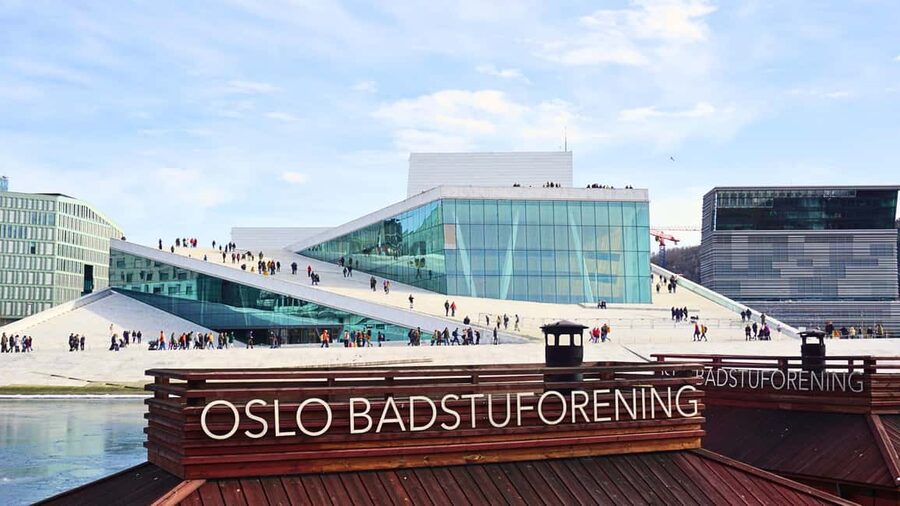
The Opera House is one of the tour’s clearest benefits because you enter the building rather than only taking an outside photograph. The stop includes a short break, sightseeing, and guided time.
The Opera House also brings the tour into present-day Oslo. Its design and waterfront setting show the city presenting itself as a modern cultural capital. You can compare that newer identity with the older fortress and royal district you saw earlier.
This is a good point for photographs and a natural place to rest. Still, the stop is about 15 minutes in the planned schedule, so you should not expect a full performance venue visit or a long architectural study.
The Opera House is likely to appeal most if you enjoy buildings, public spaces, and city design. If your main goal is museum art, the Munch Museum later in the route will matter more, although museum admission is not included.
The Munch Museum and Oslo’s art connection
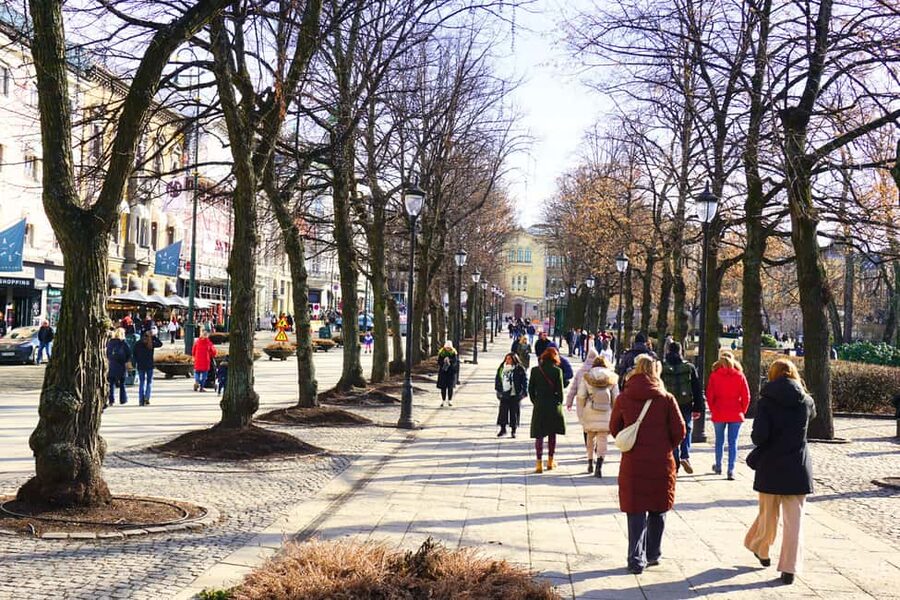
The Munch Museum is the final major sightseeing stop listed on the route. The guide explains its place in Oslo’s art scene and gives you another strong photo opportunity.
The tour does not include entry tickets to museums. Treat this stop as an introduction, not a museum visit. You can use the guide’s comments to decide if you want to return for a longer look at Edvard Munch’s work and the museum’s displays.
That distinction helps keep expectations in line. In three to four hours, you can see the building, hear context, and continue to the end of the walk. You cannot properly explore every gallery while also covering the palace, waterfront, fortress, station, and Opera House.
The route’s combination of art, architecture, and history is better suited to someone who wants connections between sights. It is less suitable if you prefer one subject in great depth.
What the guides add to the walk
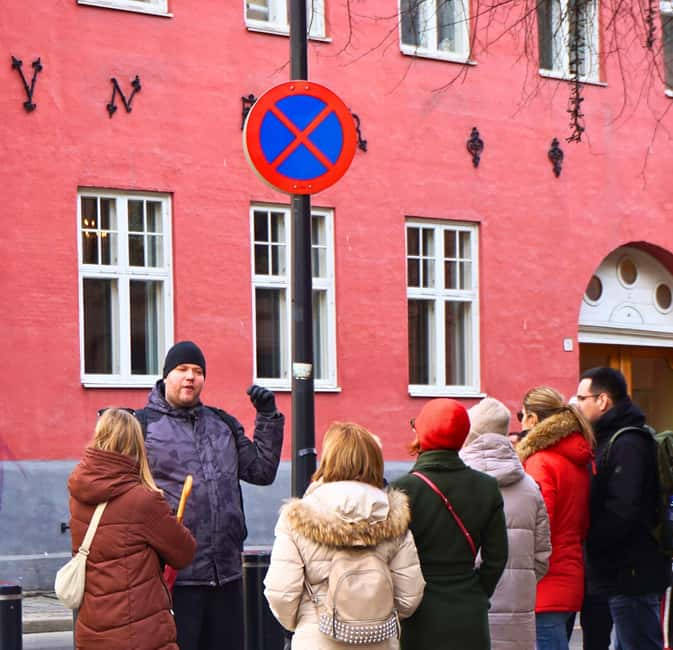
The guide is the key variable in this experience. The strongest feedback centers on clear explanations, friendly manner, humor, and attention to the group.
Anders is especially associated with a balanced style. He explains the past seriously but keeps the tone light, makes time for questions, and helps people who walk at a slower pace. He is also praised for restaurant suggestions and for taking photographs when someone is traveling alone.
Radu is described as covering many of the best sights, while Magnus is connected with a calm, relaxed walk. Michael receives praise for his treatment of architecture and city history. Luis is also singled out positively. These details matter because this route includes many stops, and a guide who can connect them is more valuable than one who simply points at buildings.
Language options are English, German, Spanish, and Italian. Confirm the language when you book, since the guide assigned to your departure may vary.
Who should book this Oslo walking tour?
I would choose this tour if you are visiting Oslo for the first time and want a strong orientation without arranging several separate visits. It also suits solo travelers, couples, and small groups who like asking questions and learning local stories as they walk.
It is a good match for you if:
- You want major landmarks plus less obvious stories.
- You enjoy city walks more than bus sightseeing.
- You need restaurant and activity suggestions for the rest of your stay.
- You want viewpoints and photographs along with history.
- You are comfortable walking for several hours.
- You prefer a group capped at 10 people.
I would hesitate if you have limited mobility, dislike long walks, or want extended time inside museums and historic buildings. The tour gives you a broad introduction, not a slow study of each attraction.
Cancellation is flexible up to 24 hours before the activity for a full refund, and you can reserve now and pay later. Those terms are useful if your Oslo schedule may change, but you should still check the exact starting time and meeting location for your booking.
Final verdict: a useful first-day choice
Book the Oslo: History, Art and Secrets Tour if you want to understand the city quickly and enjoy a guide who adds stories to the buildings. The best parts are the small group, the fire and rebuilding stories, the fjord viewpoints, the Opera House visit, and the chance to ask for practical food advice.
At $41, the value is strongest when you use it as a foundation for the rest of your stay. Let the guide show you the layout, note the places you want to revisit, and save the museums for later. If you can manage the walking and do not need wheelchair access, this is a sensible way to get your bearings while seeing a generous slice of central Oslo.
FAQ
Where does the tour start?
The tour starts at the Royal Palace in Slottsparken, though the exact meeting point may vary with the option booked.
Where does the tour end?
The activity can end at Oslo Central Station, The Broker, or the Royal Palace, depending on the selected drop-off option.
How long does the tour last?
The tour lasts three to four hours. Starting times vary, so check availability for the date you want.
What language is the tour offered in?
Live guiding is available in English, German, Spanish, and Italian.
How many people are in the group?
The tour is limited to 10 participants.
Is entry to the Oslo Opera House included?
Yes. Entry into the Opera House is included as part of the activity.
Are museum tickets included?
No. Ticket entry to museums is not included.
Is the tour suitable for wheelchair users?
No. The activity is listed as unsuitable for wheelchair users and people with mobility impairments.
What should I bring?
Bring comfortable walking shoes, water, a camera, and clothing suitable for the weather.
Can I cancel the booking?
Yes. You can cancel up to 24 hours in advance for a full refund. You can also reserve now and pay later.
Just added around Oslo
- Oslo Winter Highlights Bike Tour★ 5.0 · 36 reviews
- 4 hours Best View of the Oslofjord Winter Edition★ 4.0 · 15 reviews
- The Viking Planet Museum – Mini Group (4 adults)★ 4.0 · 16 reviews
- Unknown war. Oslo and Norway during 1940-45★ 5.0 · 74 reviews
- The Ultimate Norwegian Skiing Experience★ 5.0 · 16 reviews
- The Ultimate Study of the Human Form at Vigeland’s Sculpture Park with a Local★ 4.0 · 14 reviews
- The Oslo Beer Adventure★ 4.5 · 11 reviews
- The Essential Oslo Private Walking Tour★ 5.0 · 79 reviews
Historical Tours, compared.

Reindeer Camp and Sami Cultural Tour with Lunch
Read our review →

Sightseeing Cruise of Bergen’s Historic Landmarks
Read our review →


A Well Balanced History and Food Tour with Focus on the Scandinavian Kitchen
Read our review →Browse the lists this tour appears in